Struggling to understand the French e-bike market? You see growth numbers but miss the real story. The key isn't just more sales, but a major shift in demand.
The French e-bike market is entering a new phase of "stable growth + structural upgrade." Growth is now driven by policy support, urban commuting needs, a trend towards high-end products, and the expansion of cargo and delivery applications. It's a market that values quality over low prices.
We've been watching the French market closely for years. From our perspective as a manufacturer, the numbers only tell part of the story. The real changes are happening on the ground, in what buyers want and what the market rewards. It’s no longer a simple game of selling cheap e-bikes. Let's dive into what's really driving this mature, yet evolving, market.
Is the French E-Bike Market Still Growing?
Wondering if you missed the boat on France's e-bike boom? The market looks mature, but stable demand means there are still long-term opportunities for smart businesses.
Yes, it is. The French market is not an explosive growth market anymore, but it is a high-value one with steady, continuous growth. Projections show a consistent rise, indicating strong, long-term demand supported by a mature consumer base. This makes it a reliable market for investment.
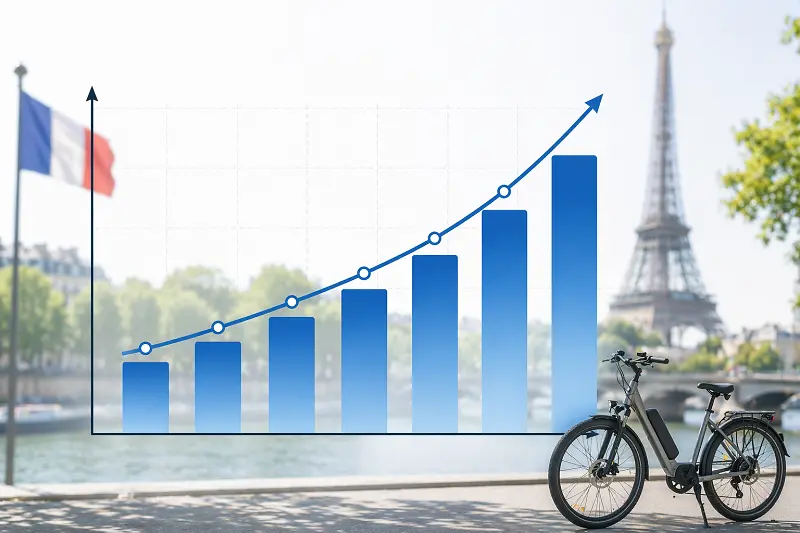
Based on the data we analyze, the French market is a picture of stability. It’s not about explosive, double-digit growth anymore. Instead, it’s about predictable, sustained expansion built on a solid foundation. This is what we call a mature, high-value market.
A Market of Maturity
A mature market means that a large portion of the population already understands and accepts the product. The crazy gold rush phase is over. Now, the competition is more sophisticated. For us as an OEM, this is a positive signal. It means our partners are not just looking for the cheapest product to make a quick profit. They are looking for reliable, high-quality e-bikes to build a long-term brand. It's a marathon, not a sprint.
The Numbers Tell a Story
The projections are clear and consistent. The market is expected to grow steadily in the coming years.
| Year | Projected Market Size (USD) | Growth Pattern |
|---|---|---|
| 2025 | ~$2.3 Billion | Stable |
| 2026 | ~$2.38 Billion | Consistent Rise |
| 2031 | ~$2.85 Billion | Long-term Growth |
The compound annual growth rate (CAGR) of around 3.62% from 2026 to 2031 confirms this. It shows a market that is healthy and has enough demand to support businesses that focus on quality and innovation.
Why Are Government Policies So Crucial for E-Bike Sales in France?
Confused why e-bike sales in France remain strong? It's not just consumer choice. Government action is actively shaping the market, creating a stable environment for growth.
Government policies are a key driver because they create direct incentives and infrastructure. The 2023-2027 National Cycling Plan, purchase subsidies1, tax benefits2, and corporate fleet decarbonization3 requirements all work together to boost demand and make e-bikes an attractive, practical choice for citizens and businesses.
In France, the growth of the e-bike market isn't happening by accident. It is heavily influenced by a clear, top-down strategy from the government. This makes the market's growth logic very different from places where it is purely consumer-driven. Price is not the only factor; aligning with the national vision is key.
The National Cycling Plan (2023-2027)4
This is a huge commitment. The government is investing billions to expand and improve cycling infrastructure across the country. More safe and convenient bike lanes mean more people feel comfortable choosing an e-bike for their daily commute. It directly addresses one of the biggest barriers to cycling in cities.
Financial Incentives
The French government offers direct financial help to buyers. Purchase subsidies reduce the upfront cost for individuals, while tax breaks make it attractive for companies to provide e-bikes to their employees. These incentives make the decision to buy an e-bike much easier.
Corporate Responsibility
There's also a push for businesses to "decarbonize" their vehicle fleets. This means companies are actively looking for green alternatives to traditional vans and cars for deliveries and employee transport. E-bikes, especially cargo e-bikes, are the perfect solution. As a manufacturer, we ensure our partners have access to models that meet these corporate needs.
What Kind of E-Bikes are French Consumers Actually Buying?
Thinking of selling one type of e-bike in France? You might be missing a huge opportunity. While city bikes are popular, a new segment is growing much faster.
City and urban e-bikes are still the absolute mainstream, making up about 76% of the market share. However, the fastest-growing segment is cargo and multi-purpose e-bikes, driven by urban logistics, commercial fleets, and families looking for car replacements. The future opportunity lies here.
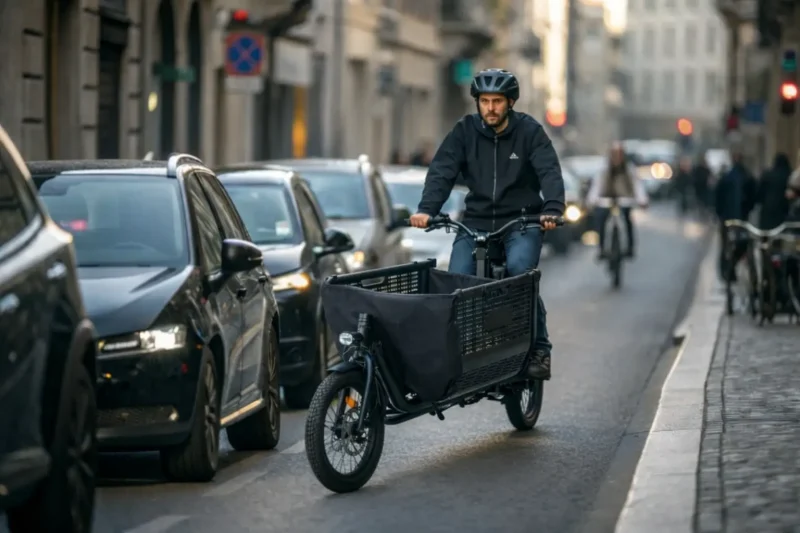
Understanding the specific types of e-bikes in demand is critical. The French market has a clear mainstream category but also a rapidly emerging niche that represents the future of growth. As a factory, we have to be ready for both.
The Dominant Player: City E-Bikes
City models are the bread and butter of the French market. By 2025, they are expected to account for around 76.02% of the market share. These are the bikes people use for daily commuting, running errands, and leisure. They need to be comfortable, reliable, and easy to use.
The Rising Star: Cargo E-Bikes
While the city bike market is large and stable, the cargo and multi-purpose segment is where the exciting growth is. Projections show this category will grow much faster between now and 2031. This growth comes from several sources:
- Last-Mile Delivery: Companies like La Poste are using them for mail and package delivery.
- Commercial Fleets: Tradespeople and service providers are using them to move tools and equipment around congested cities.
- Family Transport: Parents are using them to take their kids to school, replacing a second car.
This tells us that while we must continue to produce excellent city bikes, we must also invest heavily in developing robust, versatile, and customizable cargo e-bike platforms.
| E-Bike Segment | Market Share (2025 est.) | Growth Trajectory | Key Use Case |
|---|---|---|---|
| City / Urban | ~76% | Stable, High Volume | Personal Commuting |
| Cargo / Multi-purpose | Smaller | Fast-Growing | Commercial & Family Use |
Are French Riders Really Willing to Pay More for Quality E-Bikes?
Is a low-price strategy the key to the French market? Think again. French consumers are increasingly ignoring the cheapest options and seeking a better, more reliable riding experience.
Absolutely. The French market is shifting towards premiumization. Consumers prefer bikes with better components like mid-drive motors and belt drives. The fastest-growing price segment is €3,500-€5,999. They value comfort, connectivity, low maintenance, and overall experience more than just a low initial cost.
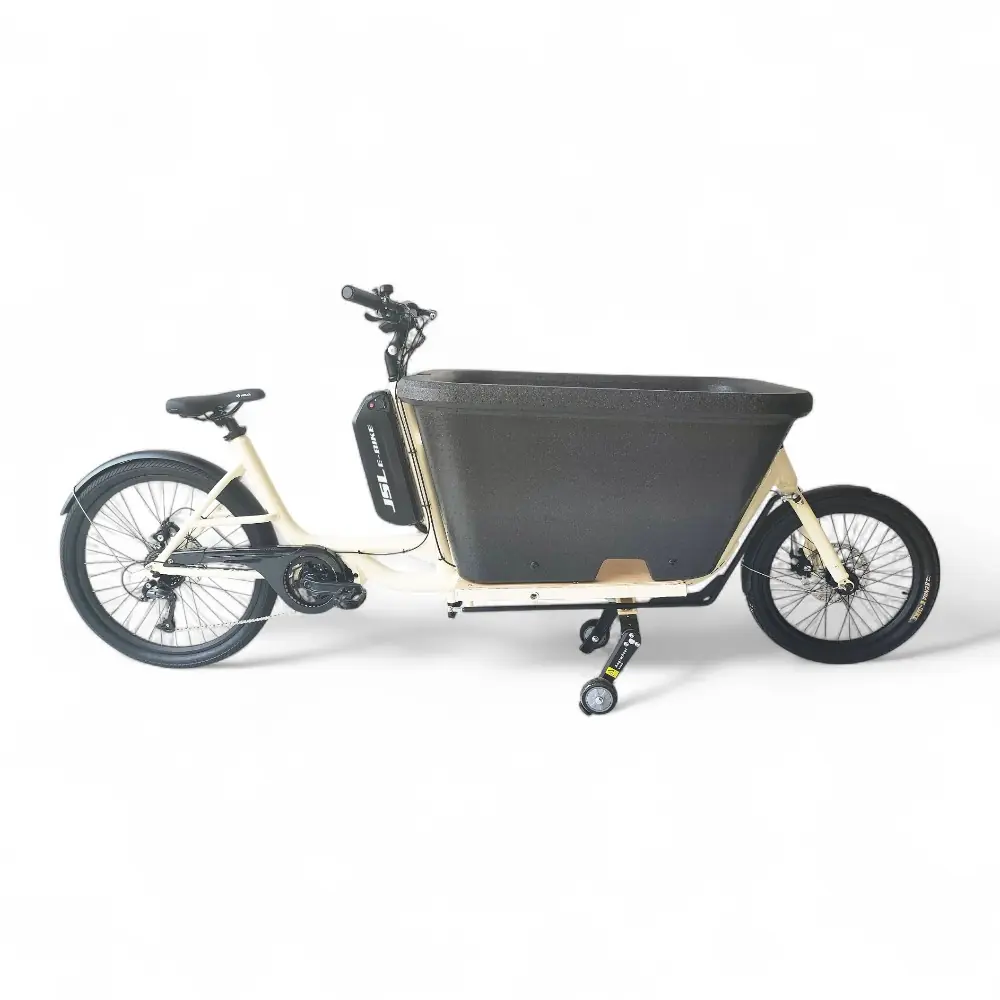
This is one of the most important trends we're seeing. France is not a market where you can win by simply being the cheapest. Consumers are educated and they understand that a higher initial price often means lower long-term costs and a much better ownership experience.
Component Preferences
The components on a bike tell you a lot about what the market values. In France, we see a clear preference for higher-performance parts.
- Mid-Drive Motors: These are more popular than cheaper hub motors because they offer a more balanced ride and a more natural pedaling feel.
- Belt Drives: While still a smaller part of the market, belt drives are growing quickly. Riders love them because they are clean, quiet, and require almost no maintenance compared to a traditional chain.
The User Experience
French riders are focused on the total experience. They ask questions about comfort during long rides, whether the bike has smart features like GPS tracking or app connectivity, and how durable it is. They are making a long-term investment in their transportation, not just buying a temporary product. This trend is fantastic for a quality-focused manufacturer like us. It allows us to focus on what we do best: superior engineering, durable frame design, and seamless battery integration.
Why Do Pedelecs (PAS) Dominate the French E-Bike Scene?
Thinking about bringing throttle-based e-bikes to France? You might face an uphill battle. The market has a clear preference, and it's deeply rooted in regulations and rider habits.
Pedal-assist systems (PAS)5, or pedelecs, are the mainstream in France, holding a 76.45% market share. This is because they comply with French and EU regulations, allowing them to use bike lanes without needing complex insurance, registration, or a license, fitting perfectly with urban commuting needs.
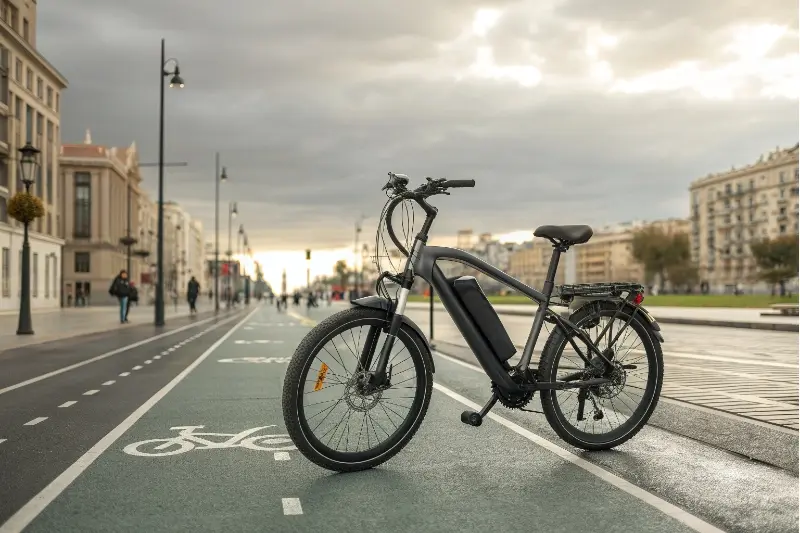
The type of propulsion system is not just a technical detail; it defines how the e-bike is used and regulated. In France, the choice is overwhelmingly clear, and there are very practical reasons behind it.
Regulatory Compliance
This is the most important factor. In France and across the EU, a pedelec with assist up to 25 km/h is legally classified as a bicycle. Anything else, like a throttle-on-demand e-bike or a speed pedelec (up to 45 km/h), falls into a different category, similar to a moped.
Lower Barriers for Riders
Because they are treated as bicycles, pedelecs have huge advantages for the user:
- No License Required: Anyone can ride one.
- No Insurance Mandate: You don't need special liability insurance.
- No Registration: No license plates or paperwork.
- Full Infrastructure Access: You can use all bicycle lanes and paths.
These factors make pedelecs incredibly convenient for daily life. For us as a manufacturer, our entire focus for the French market is on perfecting the PAS experience. We tune our motors and sensors to deliver an assist that feels smooth, intuitive, and natural, perfectly matching the expectations of French riders.
Are Lithium-Ion Batteries Still a Selling Point for E-Bikes in France?
Do you think advertising "lithium-ion battery" is enough to impress French buyers? That's old news. The market's expectations have moved on to something much more demanding.
No, they are the standard, not a feature. Lithium-ion batteries will have 100% market penetration by 2025, making them a basic requirement. The real competitive advantages now are in battery safety, range performance, charging speed, and compliance with recycling and sustainability regulations.
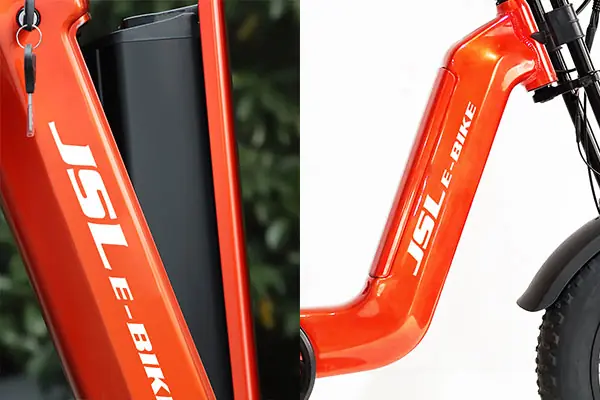
In the early days of e-bikes, simply having a lithium-ion battery was a major selling point. Today, it's the bare minimum. It's like advertising that a car comes with wheels. The conversation in the French market has moved far beyond the basic chemistry of the battery. The competition is now on a much more sophisticated level.
Key Performance Metrics
Customers and regulators are now focused on the details of battery performance and safety.
- Safety: Is the battery and its management system (BMS) certified to international standards like CE and UL?
- Range: What is the real-world range, not just an optimistic marketing number?
- Charging: How quickly and efficiently does the battery charge?
Regulatory Hurdles
The EU is introducing new regulations that will raise the bar even higher. Soon, requirements like a Digital Battery Passport will become mandatory. This will provide a full history of the battery, from its raw materials to its end-of-life recycling. There will also be requirements for using a certain percentage of recycled materials in new batteries. We are already preparing our supply chain to meet these future compliance demands, as it will become a major competitive advantage.
Where Do French Customers Prefer to Buy Their E-Bikes?
Planning an online-only sales model for e-bikes in France? Be careful. You might be ignoring the single most important channel where the vast majority of sales happen.
The French market is overwhelmingly dominated by offline retail. In 2025, physical stores are projected to account for 92.55% of sales. Customers highly value the ability to test ride, get expert advice, and have access to reliable after-sales service and maintenance.
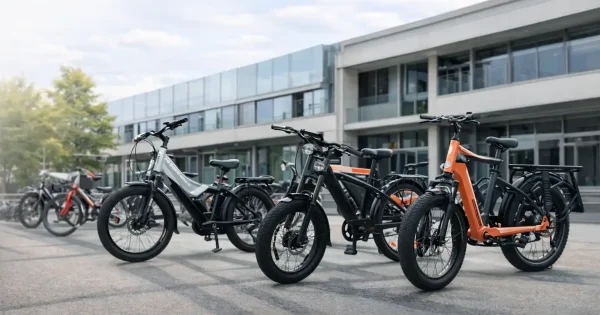
While e-commerce is growing in many sectors, the French e-bike market remains firmly rooted in the physical world. For a high-value purchase like an e-bike, French consumers want a hands-on experience and a relationship they can trust. Ignoring this reality is a major risk.
The Importance of a Test Ride
An e-bike is a personal vehicle. How it feels to ride—the balance, the power delivery, the comfort—is something you can't experience through a screen. French buyers want to take the bike for a spin before they commit to a purchase that can cost several thousand euros.
The Value of Service
What happens if something goes wrong? Who will service the motor or update the software? Local bike shops provide this crucial peace of mind. They offer on-site adjustments when you buy the bike and are there for repairs and maintenance down the road. This after-sales support is non-negotiable for French consumers.
This is why our strategy as an OEM is not just to manufacture bikes, but to support our partners in building strong dealer networks. We provide them with the training, spare parts, and technical documentation they need to empower their local retailers. A happy dealer leads to a happy customer.
Is Entering the French E-Bike Market as Easy as It Seems?
See the potential in the French e-bike market and want to jump in? It's a great market, but be aware of the hidden challenges and high standards.
No, it is not a low-barrier market. Entry is challenged by EU anti-dumping duties on low-cost imports, a growing emphasis on strict regulatory compliance, and high consumer expectations for quality and service. Local and established European brands also have strong channel and brand advantages.
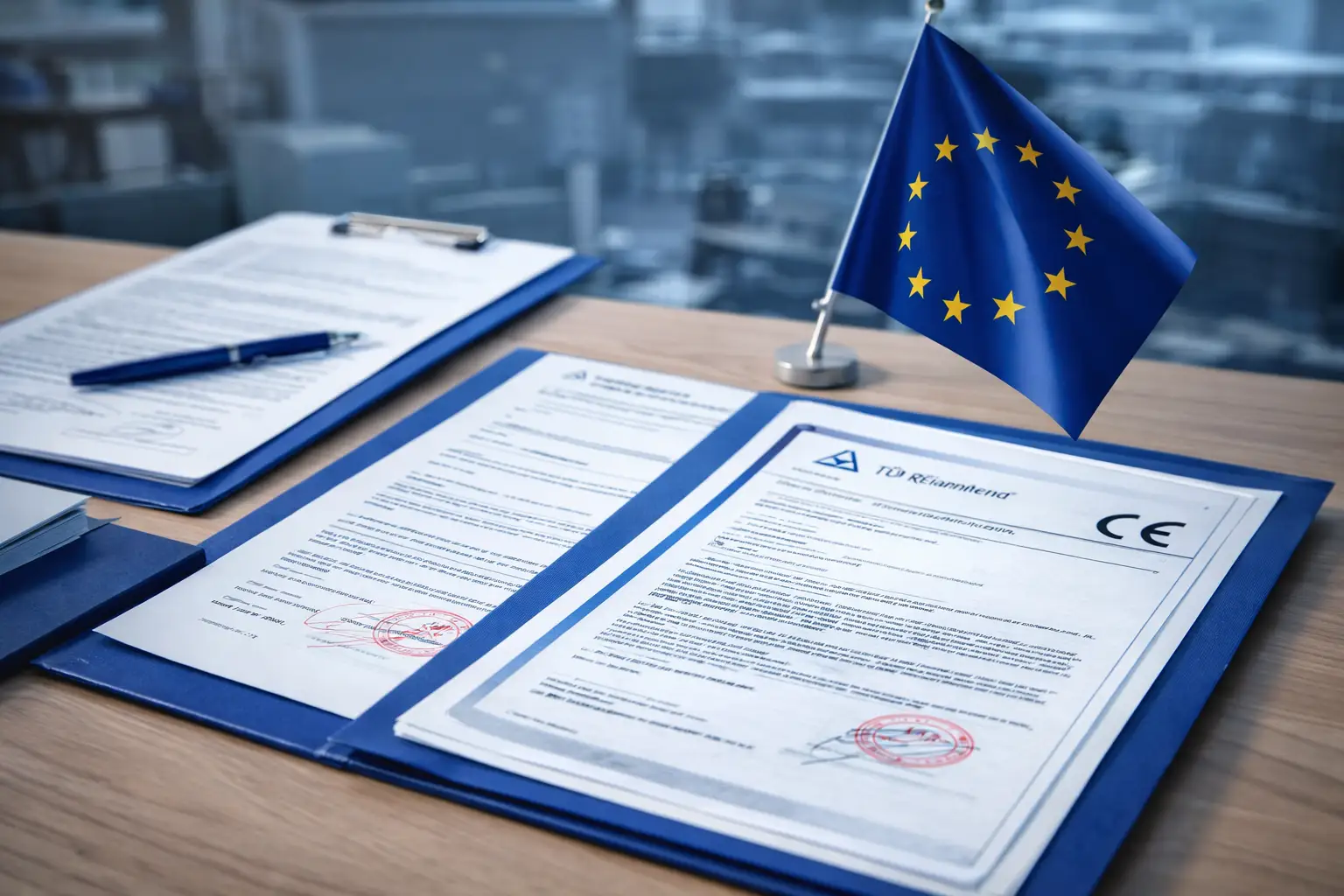
The French market is full of opportunity, but it is not a place for unprepared businesses. The days of easily importing low-cost containers of e-bikes are over. The market has matured, and its defenses are up.
Key Barriers to Entry
Anyone looking to succeed in France must be prepared to overcome several challenges:
- Anti-Dumping Duties: The EU has these in place to protect against unfairly cheap products. This immediately makes a low-cost strategy very difficult.
- Strict Regulations: Meeting all the requirements, from CE certification to the upcoming battery passport rules, requires significant expertise and investment.
- High Consumer Expectations: As we've discussed, French buyers demand high-quality products and excellent local service. You cannot succeed without a strong after-sales network.
- Strong Local Competition: Established European and French brands have deep relationships with dealers and strong brand recognition.
The game has changed. It has moved from a simple "price war" to a complex competition based on product力 (product strength), service力 (service strength), and brand力 (brand strength). As an experienced OEM/ODM partner, our role is to help our clients navigate these challenges. We provide fully compliant, high-quality products and the robust supply chain they need to build a powerful and lasting brand in the French market.
Conclusion
The French e-bike market rewards quality, service, and compliance. Success here isn't about being the cheapest, but about delivering a superior, long-lasting experience for the modern rider.
Subsidies lower the cost barrier for consumers, boosting sales and market penetration. ↩
Tax benefits make e-bikes more attractive to consumers and businesses, influencing purchasing decisions. ↩
This initiative encourages businesses to adopt e-bikes, expanding the market beyond individual consumers. ↩
This plan is a significant government initiative impacting the e-bike market, making it vital to understand its components. ↩
PAS compliance with regulations makes them a practical choice, influencing market dynamics. ↩