Are you launching a new e-bike brand but feel stuck on how many models to offer? This decision can overwhelm your resources or cause you to miss key opportunities.
Based on my 20 years of experience, I advise new brands to start with 2–3 models. This focused approach allows you to highlight your core strengths, manage your supply chain efficiently, and establish a strong market presence without spreading your resources too thin from the start.
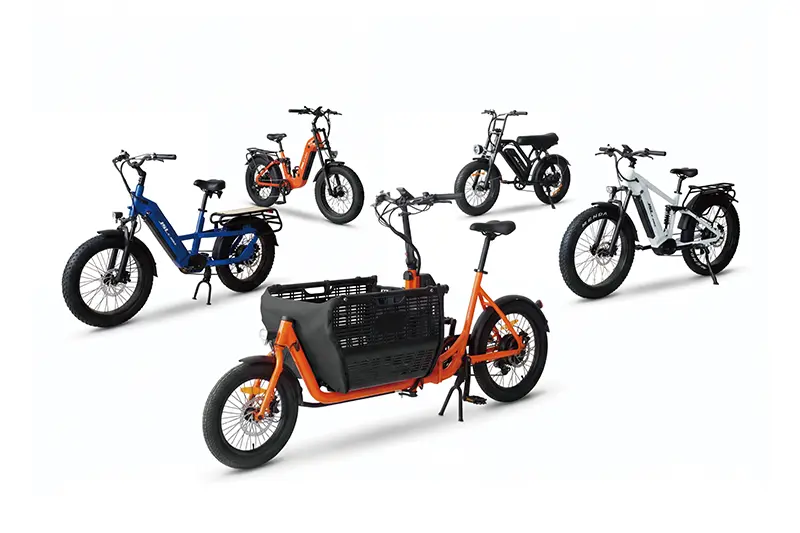
When clients ask me about their first product line, this is one of the most common questions. I've seen many startups try to be everything to everyone right out of the gate. They believe offering more choice will attract more customers. But in reality, it often does the opposite. A focused launch1 is a powerful strategy. It builds a strong foundation that you can grow from later. Let's dive into why this "less is more" approach works so well and how you can apply it to your own brand.
Why is Starting with 2-3 Models the Smartest Strategy?
Launching too many e-bike models at once sounds ambitious, but it can quickly lead to trouble. Imagine juggling complex supply chains and a muddled brand message before selling your first bike.
Starting with 2-3 models is the smartest strategy because it minimizes risk and maximizes focus. This allows you to perfect your core products, build a strong brand identity, and manage production much more efficiently. It ensures a smoother, more successful launch for your new venture.
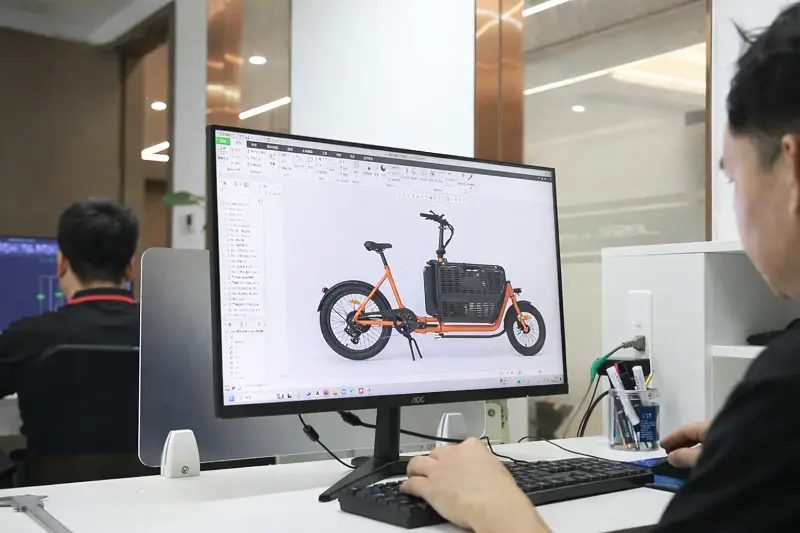
When you concentrate on a small, curated lineup, you give each model the attention it deserves. This focus translates directly into quality, marketing impact, and operational efficiency. In our factory, we've seen firsthand how brands that start with a clear, limited product line can scale more effectively. They avoid the common pitfalls that come with over-diversification. Here’s a deeper look at the benefits.
Key Advantages of a Focused Launch
A tight product line allows you to pour your resources into what matters most. You can perfect the engineering, from frame design to motor integration, ensuring your first products are exceptional. This focus also helps you build a clear brand story. Are you about urban mobility2 or off-road adventure? A small lineup makes your brand promise easy for customers to understand. Operationally, it simplifies everything. You are sourcing fewer unique components, which streamlines your supply chain and gives you better leverage with suppliers.
| Feature | 2-3 Model Launch | 5+ Model Launch |
|---|---|---|
| Production Cost | Lower initial tooling and R&D investment. | High investment across multiple designs. |
| Supply Chain | Simpler, with fewer unique parts to source. | Complex, higher risk of delays. |
| Marketing Focus | Clear, concentrated message. | Diluted message, harder to target customers. |
| Brand Identity | Strong and easy to define. | Confusing and difficult to establish. |
| Inventory Risk | Lower, less capital tied up in stock. | High, greater risk of unsold models. |
How Do You Define Your Initial E-Bike Lineup?
You've decided to launch a small, focused e-bike line, but now you face another challenge. How do you choose the right models that will actually connect with your target audience?
To define your initial lineup, first identify your ideal customer and their specific needs. Then, select models that solve their problems. For example, offer a city e-bike for commuters and a fat tire e-bike for adventurers. This ensures your products have clear purpose and strong appeal.
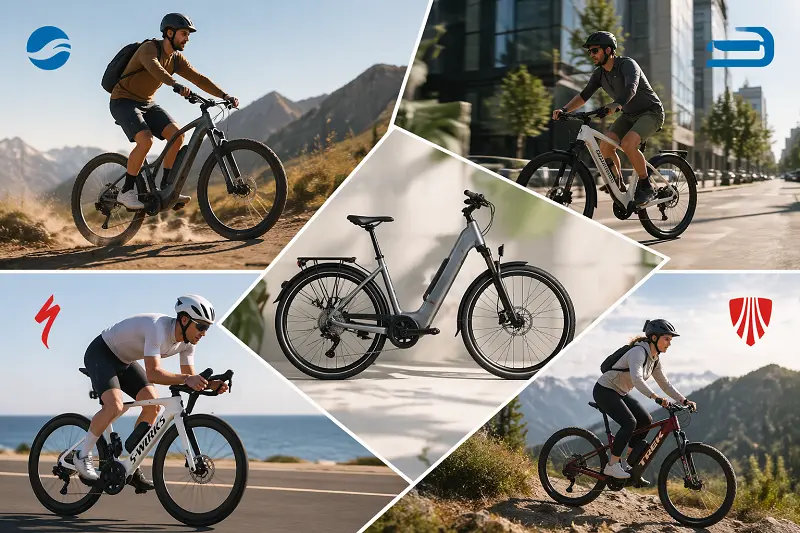
Choosing your first models isn't about guessing what might sell. It's a strategic process rooted in understanding the market and your brand's unique position within it. I always tell my OEM partners to think about who they are serving before they think about what they are building. A product without a clear customer is just an idea. A product built for a specific person, however, becomes a solution. This customer-centric approach3 will guide you to a lineup that not only sells well but also builds a loyal community around your brand from day one. Let's break down how to do this.
Steps to Select Your Core Models
First, do your homework on the market. Who are your potential customers? Are they daily commuters, weekend trail riders, or families looking for a cargo solution? Create detailed profiles for one or two key customer types. Next, look at what competitors are doing and, more importantly, what they are not doing. Is there a gap in the market for a high-performance, mid-drive mountain e-bike at an accessible price point? Or perhaps a lightweight, foldable city e-bike? Your initial models should fill these gaps. Finally, ensure your chosen models align with your brand's core identity.
| Brand Identity | Target Customer | Recommended Model 1 | Recommended Model 2 |
|---|---|---|---|
| Urban Mobility | City Commuters | Lightweight City E-Bike | Compact Cargo E-Bike |
| Off-Road Adventure | Trail Enthusiasts | Full-Suspension Mountain E-Bike | All-Terrain Fat Tire E-Bike |
| Family & Utility | Parents, Small Businesses | Long-Tail Cargo E-Bike | Front-Load Cargo E-Bike |
What are the Risks of Launching Too Many E-Bike Models at Once?
The temptation to offer a wide variety of e-bikes from day one is strong for new brands. But this "something for everyone" approach often backfires, leading to stretched resources and a weak launch.
The main risks of launching too many models include diluted marketing efforts, complex and expensive supply chain management, and difficulty establishing a clear brand identity. This leads to higher costs, lower quality control, and a confusing message that fails to connect with potential customers.
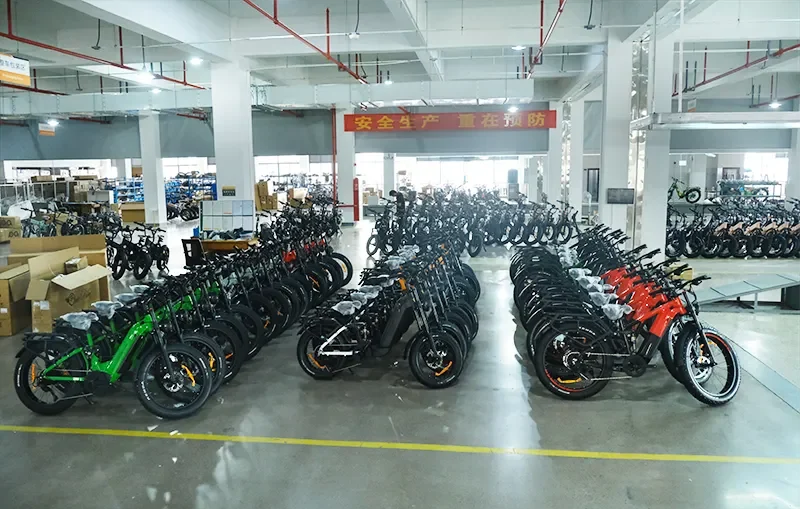
I've personally seen promising brands stumble because they tried to do too much, too soon. They end up with a warehouse full of unsold inventory for models that never found their audience. Their marketing budget gets spread so thin that no single campaign makes a real impact. And their production team is constantly struggling to manage dozens of different components and assembly processes. Even with our advanced in-house manufacturing capabilities, we always advise our partners to be disciplined. Focusing your efforts is not a limitation; it's a strength that allows you to execute flawlessly and build momentum.
The Hidden Costs of an Overly Broad Lineup
When you launch too many models, the complexity ripples through your entire operation. In manufacturing, each new model requires unique tooling for frames, separate quality control checks, and different assembly line configurations. This increases both the initial investment and the ongoing operational costs. Your supply chain becomes a web of different suppliers for motors, batteries, brakes, and displays, increasing the chances of delays and quality issues. From a business perspective, your capital gets tied up in a wide range of inventory, reducing your flexibility to react to market trends. A customer might see ten different bikes on your website and feel overwhelmed, ultimately choosing a competitor with a clearer, more confident offering.
| Risk Area | Impact of Launching Too Many Models |
|---|---|
| Financial | High upfront costs for R&D and tooling; capital locked in slow-moving inventory. |
| Operational | Complicated production schedules; difficult quality control; stressed supply chain. |
| Marketing | Unclear brand message; ineffective ad spend; customer confusion and choice paralysis4. |
| Strategic | Inability to become known for one thing; slow to react to customer feedback. |
Conclusion
Starting your e-bike line with 2–3 well-defined models is the best path. It helps control costs, sharpens your brand focus, and lays a solid foundation for sustainable growth.
Discover why concentrating on fewer models can lead to better quality and operational efficiency. ↩
Find out which e-bikes are ideal for city commuters and how they align with your brand. ↩
Learn how understanding your target audience leads to better product selection and sales. ↩
Learn why a simpler lineup helps customers make confident purchasing decisions. ↩