Your e-bike's battery is its heart, but a failing battery can hurt your bottom line. Premature battery death leads to high warranty costs, unhappy customers, and a damaged brand reputation.
The lifespan of most e-bike lithium batteries is between 500 and 1,000 full charge cycles. To maximize this, you should maintain a charge between 20-80%, avoid extreme temperatures, and use a quality Battery Management System (BMS)1 to prevent overcharging and over-discharging.
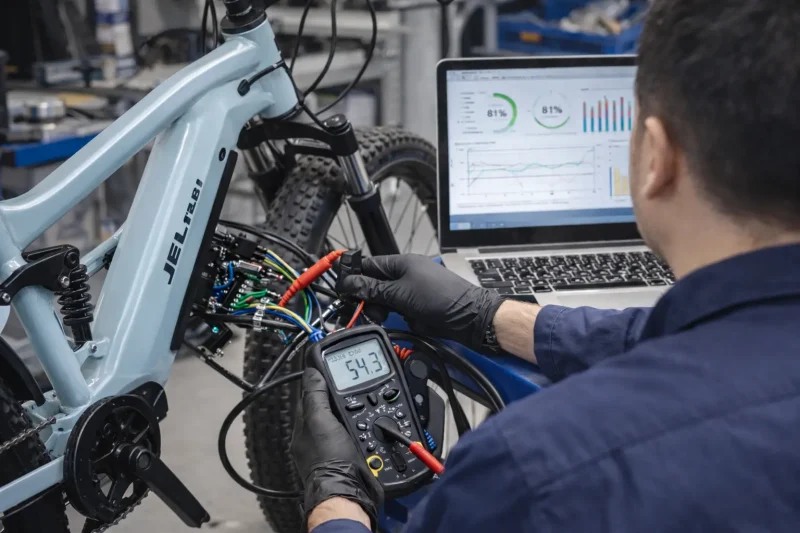
As a manufacturer with over 20 years of experience, I've seen firsthand how critical battery performance is to our B2B partners. The battery can account for 30-50% of an e-bike's total cost. This means that its lifespan directly impacts your overall operational costs and profit margins. A battery that degrades too quickly doesn't just mean a replacement cost; it means a potential loss of a customer. Understanding how to manage and maintain these power sources is not just a technical detail—it's a fundamental business strategy. This knowledge helps you choose the right products for your market and build a more reliable, profitable e-bike business.
What Really Determines an eBike Battery's Lifespan?
You see some e-bike batteries failing much faster than expected, but you're not sure why. This uncertainty makes it hard to choose the right supplier and costs you money in the long run.
An e-bike battery's lifespan is mainly determined by three things: its charge cycles, the temperatures it operates in, and the quality of its Battery Management System (BMS). Managing these factors is key to long-term performance and reliability for your customers.
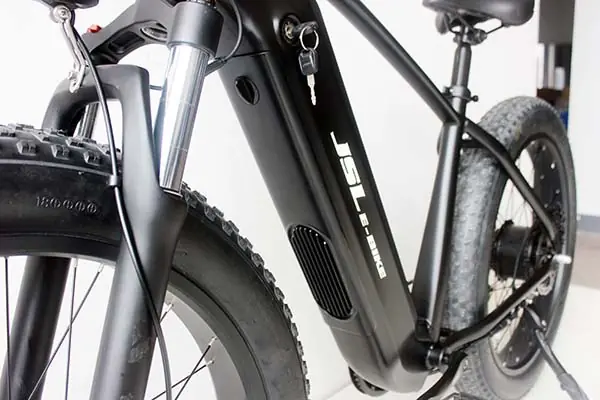
Let's dive deeper into these core factors. When we talk about battery life, we are really talking about how many times you can charge and discharge it before its capacity drops noticeably. This is not just a simple count; the way the battery is used heavily influences its health. From our factory's perspective, we design and test batteries to handle specific conditions, but real-world usage is the ultimate test. We build our systems to protect the battery, but understanding these elements helps you and your customers get the most out of every bike.
1. Charge and Discharge Cycles
A "charge cycle" means one full charge from 0% to 100% and then a full discharge back to 0%. Most modern lithium-ion batteries are rated for 500 to 1,000 of these cycles before their capacity degrades to about 80% of the original. However, high-load activities like hauling heavy cargo or climbing steep hills put more strain on the battery, effectively accelerating this aging process. For B2B applications like food delivery or bike sharing, where bikes are used and charged frequently, this becomes a critical metric for calculating the total cost of ownership.
| Usage Type | Expected Strain | Impact on Lifespan |
|---|---|---|
| Urban Commuting | Low-Medium | Standard lifespan (500-1000 cycles) |
| Food Delivery | High | Reduced lifespan due to frequent cycles |
| Cargo Hauling | Very High | Significantly reduced lifespan without a proper battery |
| Mountain Biking | High | Reduced lifespan due to high power draws |
2. Temperature's Impact
Temperature is a silent killer of batteries. High temperatures, like leaving a bike in a hot car, cause the chemical reactions inside the battery to speed up, permanently degrading its components and reducing its lifespan. On the other hand, extreme cold doesn't permanently damage the battery, but it does dramatically reduce its ability to deliver power, which your customers will notice as a sudden drop in range. For partners in markets with extreme climates, we always recommend battery systems with built-in thermal management2 to ensure consistent performance and protect the investment.
3. The Battery Management System (BMS)
The BMS is the unsung hero of the battery pack. It's an intelligent electronic circuit board that acts as the battery's brain. Its job is to protect the battery from dangerous situations. It prevents the battery from being overcharged or discharged too deeply, both of which can cause irreversible damage. A good BMS also balances the charge across all the individual cells within the pack, ensuring they wear evenly and maximizing the pack's overall life. When a problem occurs, a sophisticated BMS can provide diagnostic data, helping technicians quickly identify and fix issues, which is crucial for minimizing downtime for commercial fleets.
How Can Proper Maintenance Double Your Battery's Usable Life?
You're providing great e-bikes, but your customers might not know how to care for them. When batteries fail early due to poor maintenance, it can reflect badly on your brand and increase your support workload.
Simple maintenance can dramatically extend battery life. Advise users to keep the battery charged between 20% and 80%, avoid charging in extreme heat or cold, and regularly inspect the battery and its connectors for any signs of damage or corrosion.
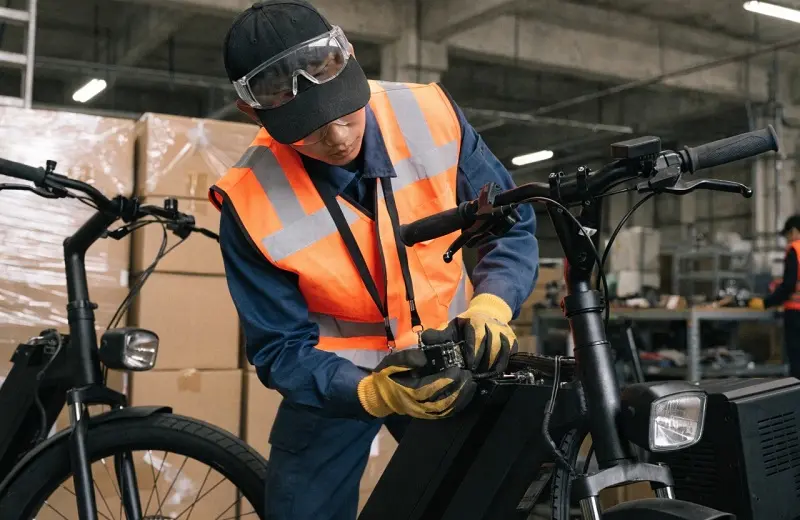
Educating your end-users is one of the most effective ways to ensure product longevity and customer satisfaction. The best part is that these maintenance steps are simple and don't require any special tools. By including clear instructions with your products and training your distributors, you empower your entire network to protect the product's quality. We have found that when our partners emphasize these simple habits to their customers, reports of premature battery failure drop significantly. It's a small effort that pays huge dividends in brand trust and reduced after-sales costs.
1. Smart Charging Habits
The single best thing a user can do is to avoid extremes. Lithium-ion batteries are happiest when they are kept in a partial state of charge. Constantly charging to 100% and running down to 0% puts the most stress on the battery's chemistry. Instead, charging to around 80% and plugging it back in when it gets down to 20% can nearly double the number of effective cycles you get from the battery. Also, it's very important to never leave a fully depleted battery sitting for long periods, as this can cause it to enter a "deep discharge" state from which it may never recover. As a manufacturer, we supply chargers with automatic shut-off features to prevent overcharging, but user habits are just as important.
2. Avoid Extreme Environments
Where you charge and store the bike matters. You should never charge a battery when it is freezing cold (below 0°C/32°F) or very hot (above 45°C/113°F). If a bike has been sitting outside in the cold, it should be brought inside and allowed to warm to room temperature before being plugged in. The same goes for a hot day. This prevents internal damage to the cells. We design our battery casings to be robust, but they are not invincible. Advising users to store their bikes in a cool, dry place like a garage or shed, away from direct sunlight, is a simple way to protect their investment and ensure reliable performance.
3. Regular Physical Inspections
Encourage your customers to perform a quick visual check3 every few months. They should look at the battery's connectors to make sure they are clean, dry, and free of any corrosion or dirt. A poor connection can cause performance issues and generate excess heat. They should also inspect the battery's outer casing for any cracks, dents, or signs of swelling. A damaged casing could compromise the weather sealing and expose the sensitive electronics inside to moisture or dust. If any damage is found, the battery should be inspected by a qualified technician immediately. This simple preventative measure can stop a small issue from becoming a major, costly failure.
How Do You Choose the Right Battery for Your Market?
Choosing the wrong battery for your e-bike lineup is a costly mistake. A mismatched battery leads to poor performance, bad customer reviews, and inventory that is difficult to sell, directly impacting your profitability.
To choose correctly, you must match the battery's capacity and weight to the intended use case. A small, lightweight battery is great for a city commuter bike, while a large, high-capacity battery is necessary for a heavy-duty cargo bike.

This is where our OEM/ODM expertise becomes a huge advantage for our partners. We don't believe in a one-size-fits-all solution. Every market and every type of rider has different needs. A battery that is perfect for flat city streets in Amsterdam will fail miserably in the hilly terrain of San Francisco. By analyzing your target market and the specific applications your customers will have, we can help you configure the perfect battery solution. This process involves balancing performance, weight, and cost to create a product that not only works flawlessly but also provides a real competitive advantage in your market.
1. Match Battery Capacity to Your Customer's Needs
The battery's capacity, measured in Amp-hours (Ah)4 or Watt-hours (Wh)5, determines its range. It is crucial to match this to how the bike will be used. Over-specifying a battery adds unnecessary cost and weight, while under-specifying it will lead to customer complaints about poor range. We work with our B2B clients to tailor battery options specifically for their target riders.
| Use Case | Common Battery Spec | Why It Works |
|---|---|---|
| City Commuting | 36V 10Ah - 14Ah | Provides enough range for daily trips (25-45 miles) while keeping the bike lightweight and nimble. Cost-effective. |
| Cargo & Delivery | 48V 15Ah - 20Ah+ | Delivers the high power needed to move heavy loads and offers a long range to last an entire work shift without recharging. |
| Long-Range Touring | 48V 17Ah+ | Maximizes range for long-distance rides, ensuring riders don't get stranded far from home. Power is secondary to endurance. |
| Mountain Biking | 48V 12Ah - 15Ah | Balances high power output for climbs with a reasonable weight that doesn't compromise the bike's handling on trails. |
2. Balance Battery Weight and Frame Integration
A battery's weight and physical size are just as important as its capacity. A massive, heavy battery might offer incredible range, but if it makes a city bike feel clumsy and hard to carry upstairs, it's the wrong choice. Conversely, a cargo bike needs a robust frame designed to carry both the load and a heavy-duty battery. As part of our development process, we focus on optimal integration. We can design custom frames that position the battery for the best center of gravity, improving handling and stability. Whether it’s a sleek, integrated downtube battery or a removable rear rack battery for convenience, the physical design must complement the bike's intended function.
Conclusion
The battery is the core of an e-bike's performance, cost, and customer satisfaction. Making smart choices in battery selection and promoting simple maintenance habits are key to building a profitable and trusted brand.
A BMS is essential for battery health, preventing overcharging and ensuring longevity. ↩
Effective thermal management can prevent battery degradation and ensure consistent performance. ↩
Regular inspections can prevent minor issues from becoming major failures, ensuring longevity. ↩
Understanding Amp-hours helps in selecting batteries that meet specific range requirements. ↩
Understanding Watt-hours helps you choose the right battery capacity for your e-bike, ensuring optimal range and performance for your specific needs. ↩