Are you looking at the booming Australian e-bike market but feeling overwhelmed by the regulations and competition? Get it wrong, and you could face costly mistakes. This guide simplifies it for you.
Yes, importing e-bikes to Australia is a massive opportunity. The market is projected to reach $87.93 million by 2031, driven by government incentives, rising transport costs, and commercial demand. Success hinges on understanding local regulations, safety standards, and specific consumer preferences.
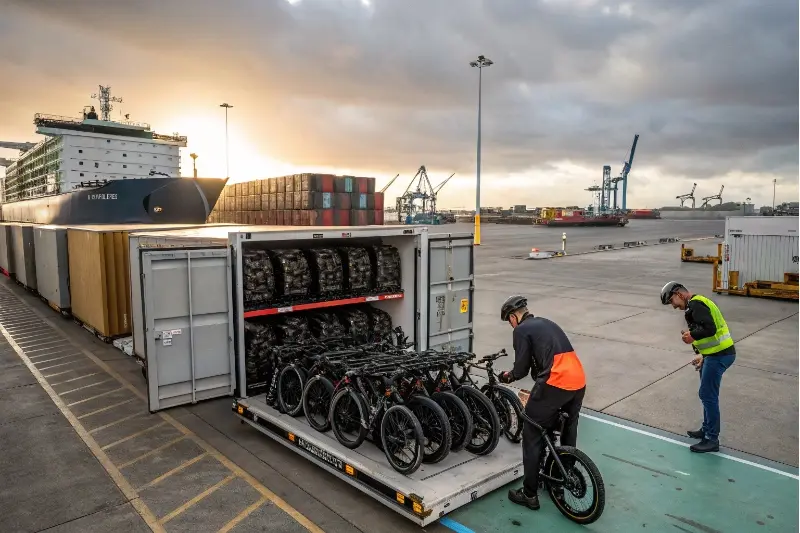
I've been manufacturing e-bikes for over two decades, and I've watched markets like Australia's catch fire. This kind of rapid growth is exciting, but it also creates unique challenges for importers. If you want to build a successful e-bike business Down Under, you need to know what’s really happening on the ground. Let's break down the key factors you need to understand to win.
What's Driving the Australian E-Bike Boom?
You see the incredible growth figures, but do you know what's actually causing them? Misunderstanding these drivers means you could miss the real opportunities. Let's look at what's fueling the demand.
The boom is fueled by four key factors: massive government funding for bike paths, logistics companies adopting cargo e-bikes, rising living costs making e-bikes a cheaper alternative, and state-level purchase subsidies that lower the entry barrier for new riders.

When we help clients enter a new market, the first thing we analyze are the core growth drivers. In Australia, it's not just one thing; it's a powerful combination of government policy, commercial adoption, and household economics. A few years ago, I worked with a client who was focused solely on recreational mountain e-bikes for Australia. After we reviewed the market data together, they saw the explosive potential in cargo e-bikes for last-mile delivery. They pivoted their strategy, and today, their commercial line is their best-seller. Understanding these drivers is the difference between guessing and making a data-backed decision.
Key Market Drivers & Their Impact
| Driver | Impact on Growth (CAGR) | Geographic Focus | Timeframe |
|---|---|---|---|
| National Active Transport Funding | +0.8% | Nationwide (NSW, VIC, ACT) | Mid-Term (2-4 yrs) |
| Logistics Companies Adopting Cargo E-bikes | +0.6% | Urban Centers (Sydney, Melbourne) | Short-Term (≤ 2 yrs) |
| Rising Household Cost of Living | +0.5% | Nationwide (Major Cities) | Short-Term (≤ 2 yrs) |
| State E-Bike Purchase Subsidies | +0.4% | TAS (active), QLD, NSW (proposed) | Mid-Term (2-4 yrs) |
The government’s National Active Transport Fund is a game-changer. By investing heavily in protected bike lanes, they are directly addressing the biggest fear of new riders: safety. This infrastructure turns weekend hobbyists into daily commuters. At the same time, rising fuel and car maintenance costs are pushing families to reconsider their second car. An e-bike becomes a very practical, affordable alternative for school runs and grocery trips. On the commercial side, companies like Australia Post have already proven the business case for e-cargo bikes, showing they reduce costs and emissions in cities. This has created a surge in demand from other delivery and logistics firms, who are now looking for reliable, high-quality fleets.
What Are the Biggest Risks When Importing E-Bikes to Australia?
Are you worried about the hidden pitfalls of the Australian market? Ignoring these risks can lead to product recalls, fines, or a warehouse full of bikes nobody wants. Let's tackle them head-on.
The main risks are fire concerns from low-quality, uncertified batteries, which has led to stricter regulations. Other challenges include the high upfront cost compared to regular bikes, fragmented state-by-state rules on motor power, and a lack of dedicated charging infrastructure.
The biggest headache for importers right now is battery safety. After a series of fires linked to micromobility vehicles, New South Wales is leading the charge with strict new rules requiring specific safety certifications from early 2025. This is a huge barrier for importers selling cheap, uncertified products. I've had conversations with potential clients who wanted to cut costs by using no-name battery suppliers. I always advise against it. Partnering with a manufacturer like us, who uses cells from reputable brands and adheres to standards like UL and CE, is no longer just a quality feature—it's becoming a legal requirement to even enter the market. Don't let a short-term saving create a long-term disaster for your brand.
Key Market Restraints & Their Impact
| Restraint | Impact on Growth (CAGR) | Geographic Focus | Timeframe |
|---|---|---|---|
| Fire Risk from Low-Quality Batteries | -0.7% | Nationwide (especially NSW, VIC) | Short-Term (≤ 2 yrs) |
| High Upfront Cost vs. Bicycles | -0.5% | Nationwide (especially regional) | Mid-Term (2-4 yrs) |
| Fragmented State-by-State Regulations | -0.4% | Nationwide | Mid-Term (2-4 yrs) |
| Lack of Charging/Parking Infrastructure | -0.3% | Urban & Regional Centers | Long-Term (≥ 4 yrs) |
Beyond battery safety, the inconsistent regulations across states create confusion. A 500W e-bike might be perfectly legal to sell in one state but not another. This makes inventory planning a nightmare for importers. We help our clients manage this by developing models that can be software-limited to different power outputs, ensuring one bike model can be compliant across multiple states. Finally, the higher initial price of an e-bike is still a barrier for some, especially outside of the major cities where wages may be lower and subsidy programs don't exist. Brands that can clearly communicate the long-term savings on fuel, parking, and registration will have an advantage.
Which E-Bike Types Are Selling Best in Australia?
Are you unsure which models to stock for the Australian market? Guessing wrong means tying up your capital in bikes that just sit there. Let's look at the data to see what Australian riders are actually buying.
Pedal-assist models under 250 watts are dominant due to federal regulations. However, city/urban bikes hold the largest revenue share (47.15%), and cargo/utility bikes are the fastest-growing segment (3.68% CAGR), driven by strong commercial demand from delivery fleets.
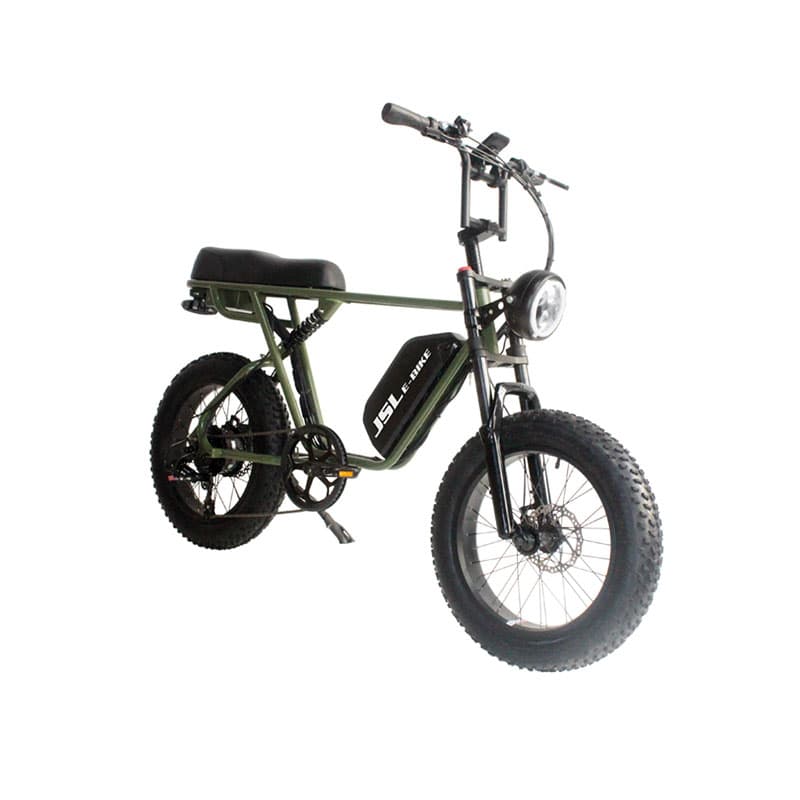
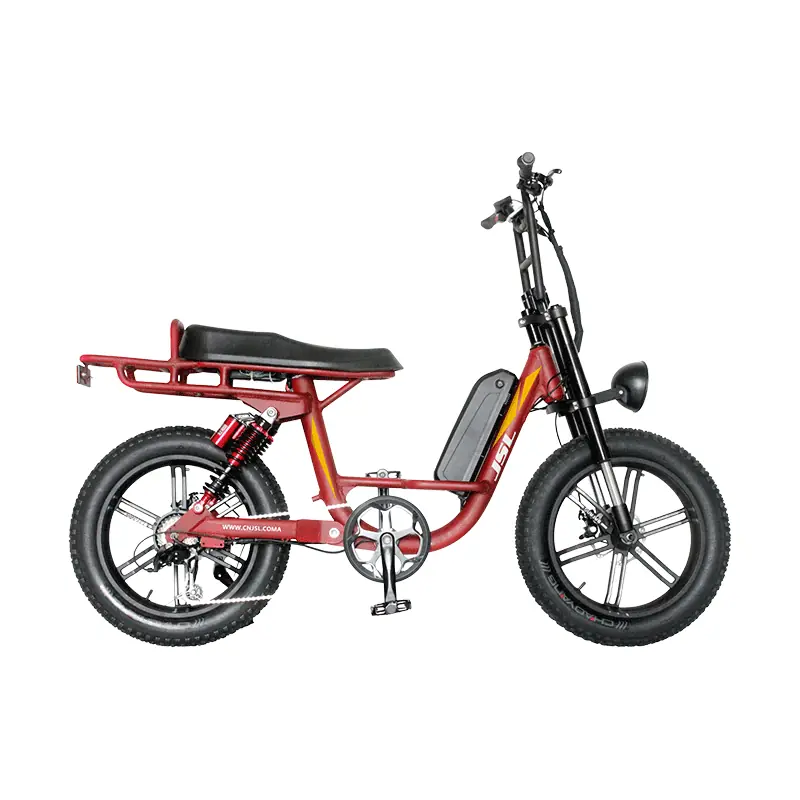
The Australian market is becoming more sophisticated. While the standard 250W city commuter is the bread and butter, we're seeing clear signs of diversification. The data shows two key trends. First, the cargo bike segment is exploding. It's not just for businesses anymore; families are buying longtail cargo bikes as car replacements. Second, while the $1,500-$2,499 price range is the sweet spot, the fastest growth is happening in the next tier up ($2,500-$3,499). This tells me that customers are maturing. They've had their first e-bike, and now they're willing to pay more for better performance, integrated features, and certified safety. As a manufacturer, this is what we love to see, as it shifts the focus from price to quality.
Popular E-Bike Segments in Australia
| Segment | Market Share (2025 Est.) | Growth (CAGR) | Key Insight |
|---|---|---|---|
| City/Urban Bikes | 47.15% | Steady | The largest and most stable category, popular for commuting. |
| Cargo/Utility Bikes | Growing Fast | 3.68% | Fastest-growing segment, fueled by commercial and family use. |
| Sub-250W Motors | 55.89% | Steady | The legal standard, making it the highest volume category. |
| $1500-$2499 Price | 30.74% | Strong | The current market sweet spot for volume sales. |
| $2500-$3499 Price | Growing Fastest | 3.73% | Indicates a maturing market willing to pay for quality. |
The split between what's legally standard and what customers desire is also interesting. The federal law favors 250W motors, so that's where the volume is. But the fastest growth is in the 351-500W category, where state-level exceptions exist. This shows a clear appetite for more power, especially for carrying cargo or tackling hills. Smart importers are finding ways to cater to this demand while remaining compliant. The market is moving beyond a one-size-fits-all approach, and brands that offer a well-defined range of products for different users and price points will capture the most value.
What Technical Specifications Matter Most to Australian Buyers?
Are you confused by the technical jargon of motors, batteries, and drive systems? Choosing the wrong components can damage your brand's reputation and lead to poor reviews. Let's focus on the tech that actually sells.
Lithium-ion batteries are the undisputed standard, with a strong push towards certified, safe systems. While affordable hub motors are still common (60.58% share), higher-performance mid-drive motors are the fastest-growing category, preferred by experienced riders and for hilly terrain.
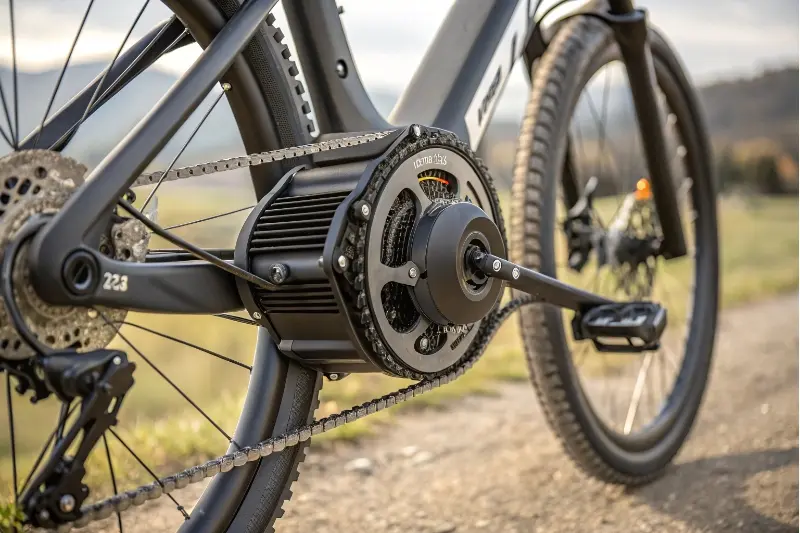
When a client comes to us to develop a new e-bike line, the conversation always turns to the motor and battery. These are the heart of the bike. In Australia, the choice is becoming clearer. Hub motors are great for flat, urban environments and keeping costs down, which is why they still dominate the market. However, for a brand that wants to be seen as a performance leader, a mid-drive motor is essential. They provide better torque for climbing hills and a more natural riding feel. We're seeing the highest conversion to mid-drives from customers buying their second e-bike—they've learned the limits of a basic hub motor and are ready to upgrade.
Hub Motors vs. Mid-Drive Motors: A Comparison
| Feature | Hub Motor | Mid-Drive Motor |
|---|---|---|
| Market Share (2025) | 60.58% | Growing |
| Growth (CAGR) | Slower | 3.69% |
| Best For | Flat terrain, budget-conscious buyers | Hilly terrain, performance, natural feel |
| Cost | Lower | Higher |
| Maintenance | Simpler, self-contained unit | More complex, integrated with drivetrain |
The battery conversation is all about safety and range. Lithium-ion is the only real option, accounting for over 82% of sales. The key differentiator now is certification. With the new NSW regulations, having a battery system that is UL 2849 certified is a massive competitive advantage. It's a clear signal to consumers and retailers that your product is safe and reliable. Another interesting trend is the rise of belt drives over traditional chains. For fleet operators and commuters, a carbon belt drive that requires almost no maintenance for 20,000 km is a huge selling point. It's a premium feature that justifies a higher price point by offering a cleaner, quieter, and more reliable ride.
Conclusion
The Australian e-bike market offers huge potential, but success demands more than just importing a container of bikes. It requires a smart strategy based on navigating regulations and understanding nuanced consumer demand.