Worried your e-bike won't make it to your destination? Range anxiety is real. Understanding what affects your bike's range is the first step to maximizing every single charge.
An e-bike's true range depends on several key factors: battery capacity (measured in Watt-hours)1, your riding mode (pedal-assist vs. throttle2), the terrain3, motor power4, and your speed5. A typical e-bike can travel anywhere from 20 to 100 miles on a single charge.

It's one of the first questions I get from clients: "How far will it really go?" The number on the box is just a perfect-world estimate. The real-world answer is much more interesting and depends a lot on you and where you ride. If you want to get the most out of your e-bike and leave range anxiety behind for good, you need to understand what's actually using up your power. Let's break down the most important factors one by one so you can ride farther and with more confidence.
Is a Bigger Battery Always the Key to Longer Range?
Choosing an e-bike based on battery specs can be confusing. You might overpay for a huge battery you don't need, or get one that leaves you stranded.
Yes, a bigger battery generally provides a longer range. The key metric is Watt-hours (Wh)6, which you can find by multiplying Volts (V)7 by Amp-hours (Ah)8. A 48V 10Ah battery (480Wh) holds more energy and offers more range than a 36V 10Ah battery (360Wh).
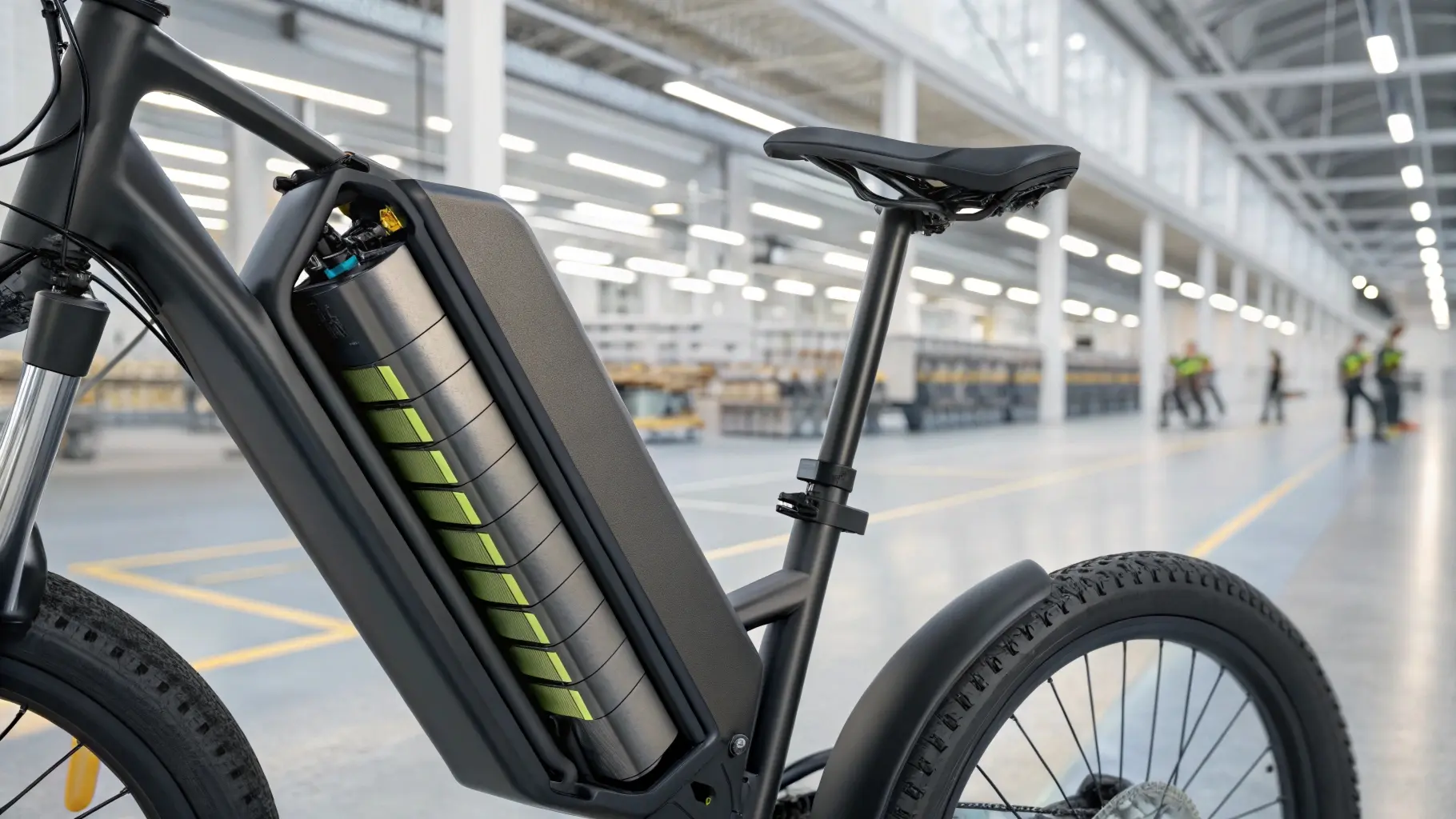
As a manufacturer, I spend a lot of time working with batteries. They are the heart of any e-bike. Think of Watt-hours (Wh) as the size of your "gas tank." The bigger the number, the more energy you have to power your rides. Volts (V) are like the pressure pushing the energy out, while Amp-hours (Ah) represent how long the battery can provide that energy. A higher Wh number is the most direct indicator of potential range. For instance, in our factory, we see a clear performance difference between battery packs. A bike with a 480Wh battery will consistently outperform one with a 360Wh battery, assuming all other conditions are the same. But remember, batteries also age. A battery that is three years old won't hold the same charge as it did when it was new, which will naturally reduce your maximum range over time.
| Battery Spec | Calculation | Energy Capacity | Relative Range |
|---|---|---|---|
| 36V 10Ah | 36 Volts x 10 Amp-hours | 360 Watt-hours | Standard |
| 48V 10Ah | 48 Volts x 10 Amp-hours | 480 Watt-hours | Longer |
| 48V 15Ah | 48 Volts x 15 Amp-hours | 720 Watt-hours | Longest |
How Does Your Riding Style Impact Your E-bike's Mileage?
Do you find your e-bike's range never matches the advertised numbers? It's frustrating when your battery dies halfway through a trip. Your riding habits might be the biggest reason why.
Your riding style9 dramatically affects range. Using pedal-assist mode can extend your range by two or three times compared to using the throttle-only. Riding at a slower, consistent speed also conserves much more battery than riding at high speeds.
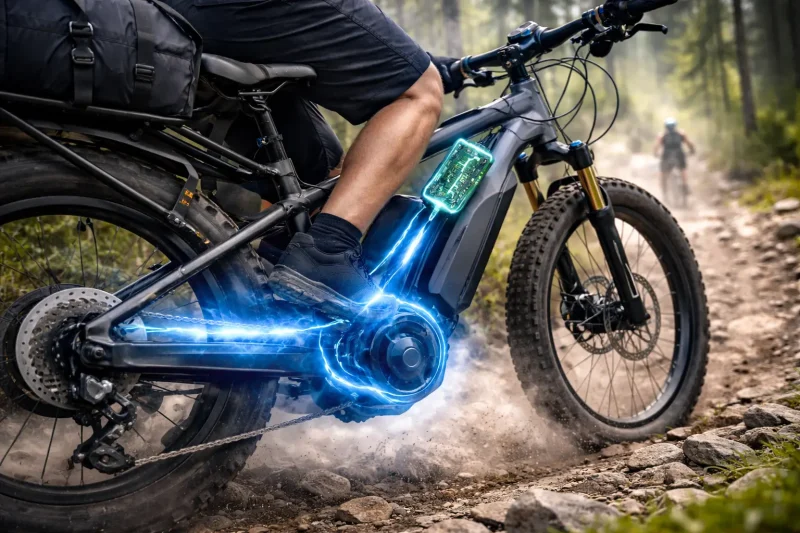
This is probably the biggest factor you can control. E-bikes have two main ways to deliver power: throttle and pedal-assist (PAS). The throttle works like a motorcycle; you twist it and the bike goes, no pedaling required. It’s fun but it drains the battery very quickly. PAS, on the other hand, only gives you a boost when you are pedaling. Most e-bikes have multiple PAS levels. Level 1 gives a small boost, making pedaling feel easy, while Level 5 gives a powerful surge, making you feel like a superhero. I once tested a bike that got about 25 miles on throttle alone. By switching to the lowest PAS level and pedaling gently, I pushed that same bike over 60 miles. Speed is also critical. The faster you go, the more wind resistance you have to fight, and that takes a ton of power. Riding at a steady 15 mph (25 km/h) is far more efficient than trying to maintain 30 mph (about 50 km/h).
| Riding Mode | Rider Effort | Power Consumption | Estimated Range Example |
|---|---|---|---|
| Throttle-Only | None | Very High | 25 miles (40 km) |
| PAS - Level 5 | Low | High | 40 miles (65 km) |
| PAS - Level 1 | High | Very Low | 65+ miles (100+ km) |
What Other Factors Secretly Drain Your E-bike Battery?
You've got a good battery and you're using pedal-assist, but the range is still unpredictable. It can feel like a mystery you can't solve. Let's look at the other factors.
Beyond the battery and your riding style9, things like hilly terrain10, motor power, total weight11, and even tire type12 affect your range. A powerful motor on a steep hill will use significantly more energy than a smaller motor on a flat road.
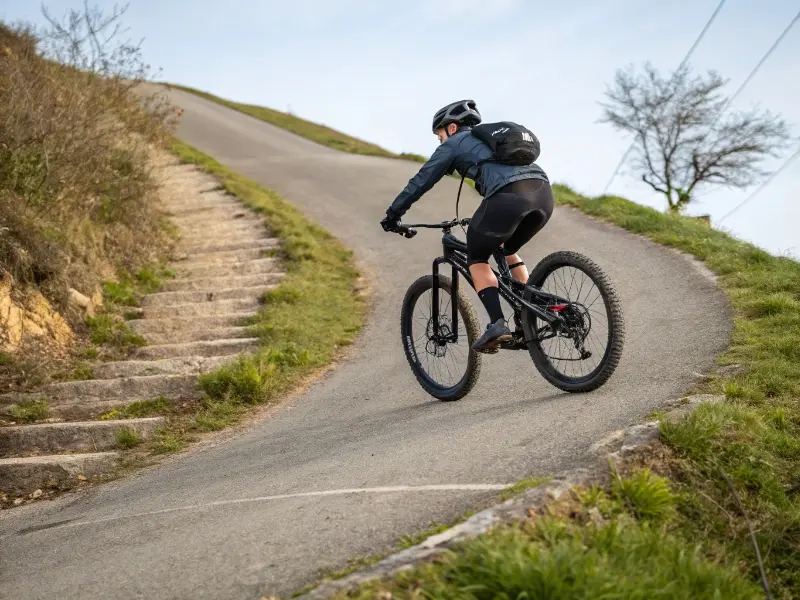
The world isn't flat, and that makes a big difference. Riding up hills forces your motor to work extremely hard, draining your battery much faster than riding on level ground. Think about it: your bike is fighting gravity. The steeper and longer the hill, the more "fuel" you'll use. The motor itself also plays a role. A high-power 750W motor is great for speed and climbing, but it's thirstier than a 250W motor. It will use more energy to maintain the same speed. Your weight, plus any cargo you're carrying, also adds to the motor's workload. A heavier load requires more power to move. Finally, don't forget the tires. Wide, knobby fat tires are amazing for sand or snow but have high rolling resistance on pavement, which creates drag and reduces range compared to smooth, narrow city tires. Keeping your tires properly inflated also helps minimize resistance and maximize your mileage.
| Factor | High Impact on Range | Low Impact on Range | Why it Matters |
|---|---|---|---|
| Terrain | Steep Hills | Flat Ground | Fighting gravity uses a lot of power. |
| Total Weight | Heavy Rider + Cargo | Light Rider | More mass requires more energy to move. |
| Tire Type | Knobby Fat Tires | Smooth City Tires | Rolling resistance creates drag. |
| Wind | Strong Headwind | Calm Day | A headwind is like a constant hill. |
Conclusion
Your e-bike's range is a mix of its battery, your riding style, and the conditions you ride in. Master these, and you can ride farther with full confidence.
---Understanding battery capacity in Watt-hours helps you gauge how far your e-bike can travel on a single charge, crucial for planning longer rides. ↩
Knowing the difference between pedal-assist and throttle can help you choose the right mode to extend your e-bike's range and enjoy a more efficient ride. ↩
Exploring how different terrains impact e-bike range can help you plan your routes better and manage your battery life effectively. ↩
Understanding motor power's effect on range can guide you in selecting an e-bike that matches your riding needs and terrain challenges. ↩
Learning about the relationship between speed and battery life can help you adjust your riding habits to maximize your e-bike's range. ↩
Watt-hours are a key metric for e-bike batteries, indicating energy capacity and potential range, essential for making informed purchasing decisions. ↩
Understanding the role of Volts in battery performance can help you assess the power and efficiency of different e-bike models. ↩
Amp-hours indicate how long a battery can provide energy, crucial for determining how far you can travel on a single charge. ↩
Exploring how riding style affects range can help you adopt habits that extend your e-bike's battery life and improve your riding experience. ↩
Understanding the impact of hilly terrain on battery life can help you plan routes that conserve energy and extend your e-bike's range. ↩
Knowing how total weight impacts performance can guide you in managing cargo and personal weight to optimize your e-bike's efficiency. ↩
Learning about tire types and their impact on range can help you choose the right tires for your riding conditions, enhancing efficiency. ↩