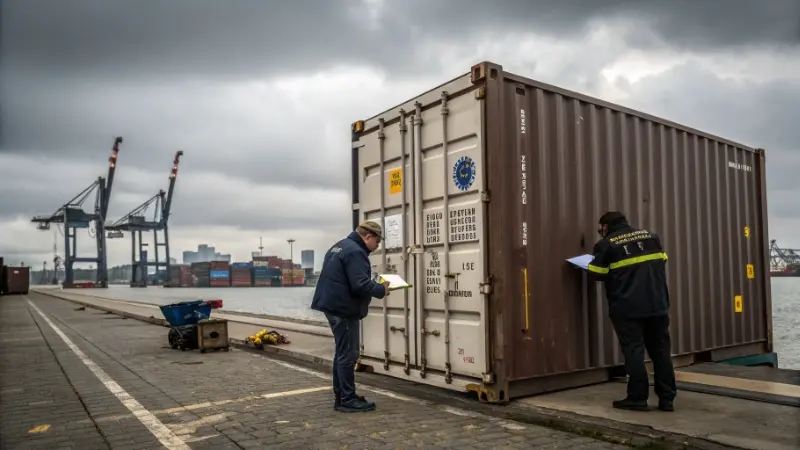
The European e-bike market1 is booming, but so are the risks of fines and seized shipments. Imagine your container being impounded, leaving you with no stock and angry customers.
To import e-bikes to Europe successfully, you must navigate strict regulations like the EN 15194 standard2 and high anti-dumping duties3. Partnering with a compliant manufacturer who provides all necessary documentation is the key to avoiding seized goods, fines, and business disruption.
The European market presents a massive opportunity for e-bike businesses. However, I've seen many importers get burned by taking shortcuts or not understanding the rules. The authorities are cracking down hard on non-compliance, and the financial and reputational damage can be severe. Let's break down what you need to know to protect your business and succeed in this profitable market.
Why Are Illegal E-Bike Imports So Risky in Europe?
Thinking of cutting corners on e-bike imports to save on costs? It seems tempting with anti-dumping duties that can reach as high as 80% for some suppliers.
Illegal e-bike imports are extremely risky due to strict European enforcement. Recent seizures in Ireland and Greece saw thousands of non-compliant bikes impounded. This leads to total stock loss, financial ruin, and irreparable damage to your business's customer relationships and reputation.
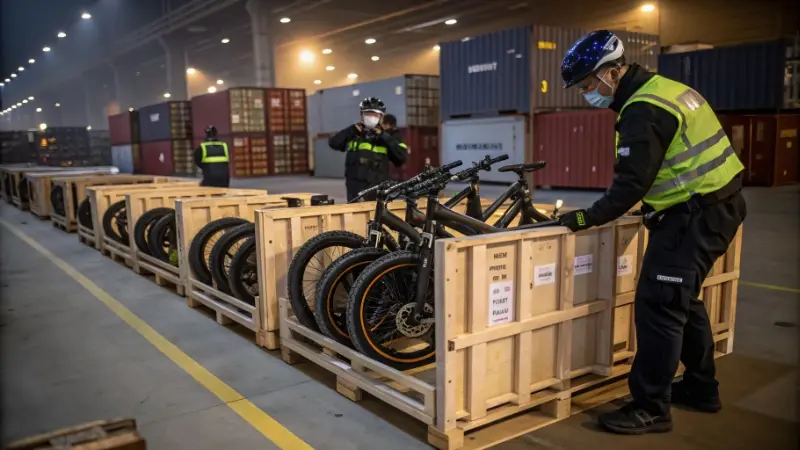
Europe is one of the main markets for electric bikes, which is why its regulations are so well-defined. Because of over-dumping from China in the past, the EU established high anti-dumping duties to protect its local industry. This high cost tempts some businesses to make false declarations to avoid taxes. However, customs authorities4 are cracking down severely. For example, in May 2023, Irish customs officials discovered over 4,000 undeclared electric bikes in a warehouse. A month later, Greek authorities seized tens of thousands of falsely declared e-bikes. These are not isolated incidents. For an importer, this is a disaster. It's not just that your goods are confiscated; you suddenly have a major stock shortage. Customers who pre-ordered are left empty-handed, and you lose their trust and future business.
What is the EN 15194 Standard and Why Does It Matter So Much?
Do you know if your e-bikes are legally considered bicycles or mopeds in the EU? The difference is huge for your business and your customers.
The EN 15194 standard defines a legal e-bike, or EPAC5, in the EU. To comply, a bike must have a motor of 250W or less, be pedal-assist only, cut power at 25 km/h, and only provide assistance when pedaling. Failing this reclassifies it as a moped.
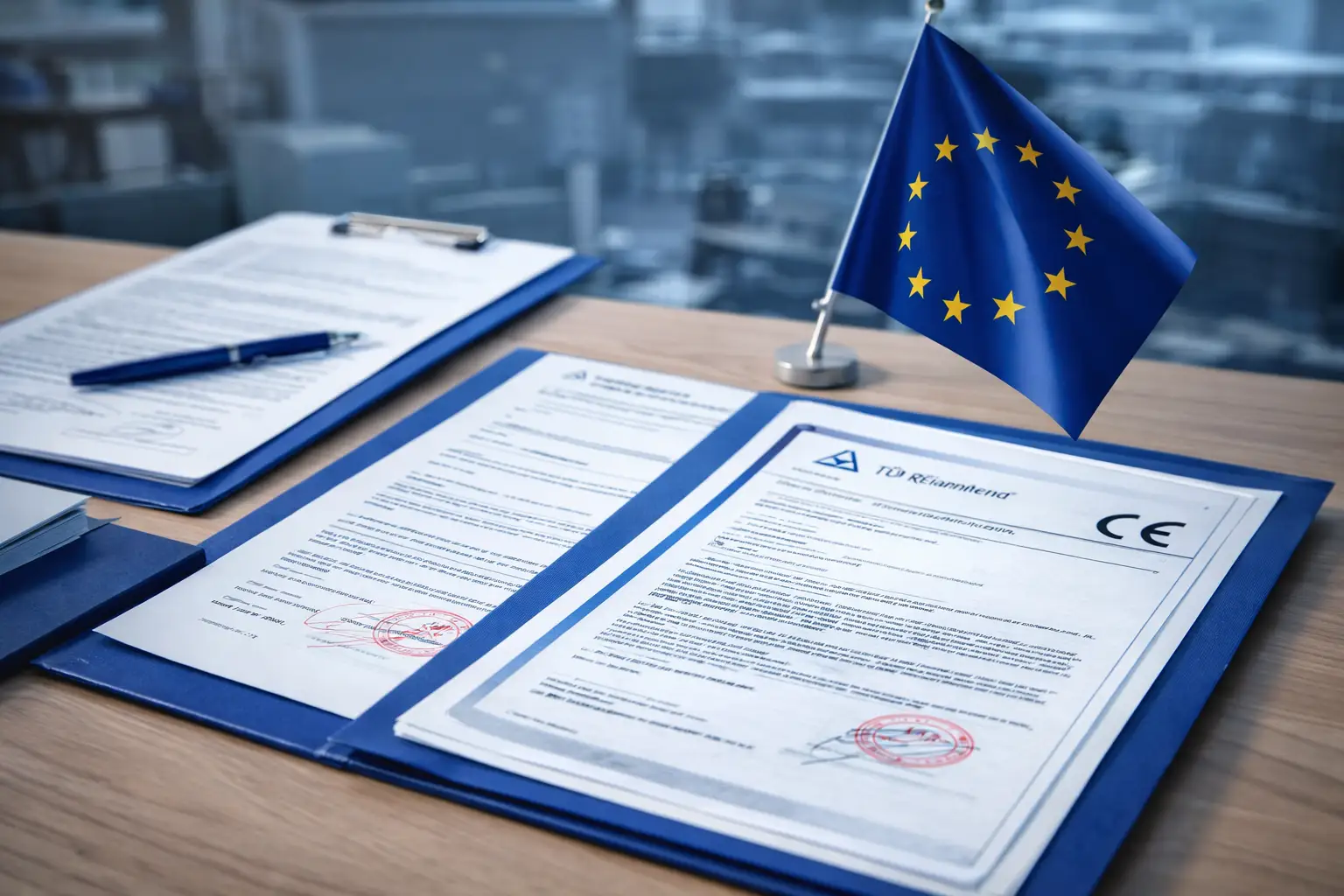
If you want to run a legitimate business in Europe, following the regulations is the best way to minimize your risk. The most important rule to know is EN 15194. This standard determines if your product is an "Electrically Power Assisted Cycle6" (EPAC5). To be classified as an EPAC5, the e-bike must meet all four of these conditions.
| Criteria | Requirement |
|---|---|
| Rated Power | Must be less than or equal to 250W. |
| Activation | Pedal-assist only; it cannot have a throttle. |
| Max Speed | The motor must automatically cut off at 25 km/h. |
| Assistance | The motor can only provide assistance when the rider is pedaling. |
If your e-bike meets these rules, it can be ridden on public roads without a license plate or insurance. If it fails even one condition, it becomes a moped. This means different import tariffs for you, and your customers must get a license plate and buy insurance to ride it. Also, note that while EN 15194 includes EMC tests, your report must explicitly state "EMC compliant."
How Can a Reliable Manufacturer Help You Stay Compliant?
As an importer, you are legally responsible for compliance in the EU. But can you really handle all the complex technical paperwork by yourself?
A reliable manufacturer is essential because they provide the 90% of compliance documentation you need. While you are the responsible party, a good factory supplies the CE Declaration, EN 15194 test reports, manuals, and labels, ensuring a smooth import process.
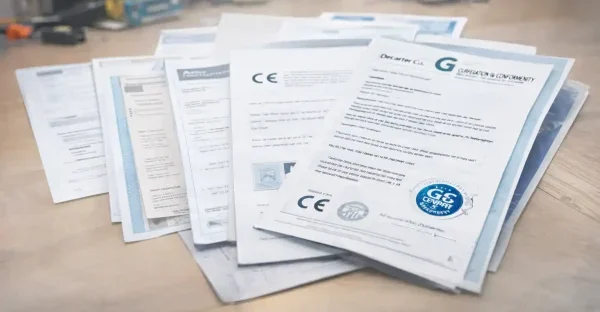
In the EU, the importer is the number one responsible party. However, about 90% of the compliance documents must be provided or completed with help from the factory. This makes choosing a reliable and compliant manufacturer absolutely critical. A good partner can give you a complete set of documents. Here’s a key advantage we offer: while the standard anti-dumping duty is up to 80% for many, we are on the EU's "white list," so our duty is only 33.4%.
Here are the core documents we provide our clients:
- CE Declaration of Conformity7: This includes EN 15194 (EPAC), EMC Directive 2014/30/EU8, Machinery Regulation, and RoHS.
- EN 15194 Test Report: This covers electrical safety, mechanical structure, braking performance, EMC, and assist logic.
- Product Manual
- Product Nameplate and Labels
We also provide other documents some clients need, like a Certificate of Origin9 and the UN38.3 and MSDS reports10 for batteries. One more thing: if you import electric cargo bikes, a new regulation, EN 17860, is coming. It adds stricter safety standards, and enforcement will be tough.
Conclusion
Successfully importing e-bikes to Europe requires understanding risks, adhering to EN 15194, and choosing a compliant manufacturing partner who provides all necessary documentation for a smooth process.
Explore the booming European e-bike market to understand its growth potential and opportunities for businesses. ↩
Learn about the EN 15194 standard to ensure your e-bikes comply with EU regulations and avoid reclassification as mopeds. ↩
Understand the impact of anti-dumping duties on e-bike imports to avoid financial pitfalls and ensure compliance. ↩
Explore how customs authorities enforce regulations to prevent illegal e-bike imports and protect local industries. ↩
Understanding EPAC is crucial for compliance with EU regulations, ensuring your e-bikes are legally classified and avoiding costly fines and seizures. ↩
Understand the criteria for EPAC classification to ensure your e-bikes meet legal requirements for road use. ↩
Learn about the essential compliance documents needed for e-bike imports, including the CE Declaration of Conformity. ↩
Explore the EMC Directive to ensure your e-bikes meet electromagnetic compatibility requirements in the EU. ↩
Understand the importance of a Certificate of Origin in verifying the source of your e-bikes and ensuring compliance. ↩
Learn about the necessary battery compliance reports to ensure safe and legal e-bike imports. ↩