Choosing a cargo basket material is tough. You want something strong and stylish, but every option has trade-offs. We’ll help you decide what’s best for your e-bike line.
The best material for an e-bike front cargo basket depends on your needs. Aluminum alloy is strong, light, and versatile. Plastic is durable and stylish but bulky for shipping. Wood is classic and ships efficiently but requires care in wet climates.
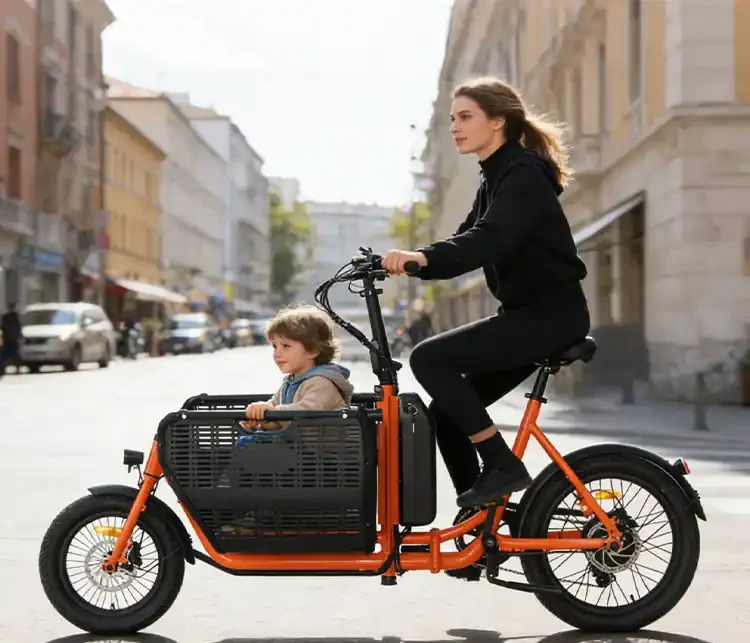 As an e-bike manufacturer, I've seen front-loading cargo bikes become very popular, especially in Europe. They are perfect for families and eco-friendly transport. But the front basket is what makes the bike. The material you choose—aluminum, plastic, or wood—affects everything from durability to shipping costs. Getting this right is key to creating a successful product for your target market. Let's look at the pros and cons of each material so you can make a smart choice for your business.
Is an Aluminum Alloy Cargo Basket the Strongest and Lightest Option?
You need a basket that can handle heavy loads without making the e-bike feel sluggish. A heavy basket can ruin the ride, but a weak one is a liability.
Yes, aluminum alloy is a top choice for a strong yet lightweight cargo basket. It offers excellent strength-to-weight ratio, resists rust, and allows for versatile accessories, making it a premium and practical option.
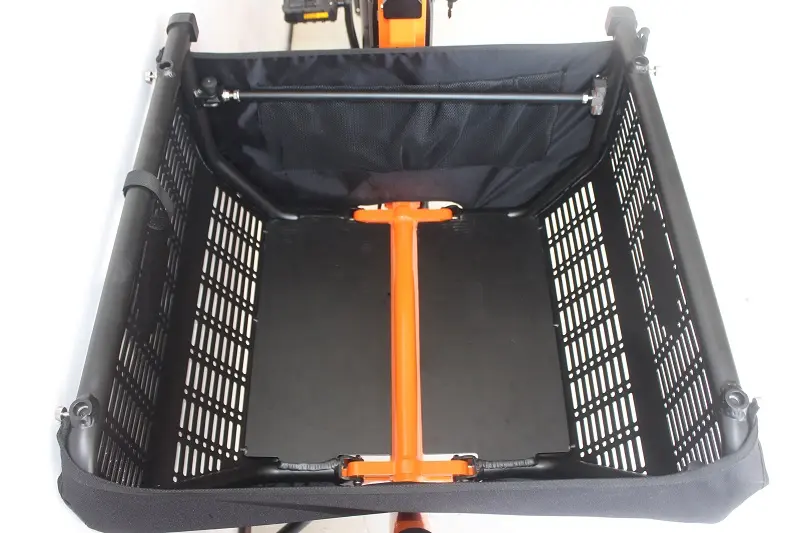 When we developed our new 2.0 mini cargo e-bike, we chose an aluminum alloy basket. The goal was to improve on our first version. This new basket is incredibly strong, capable of carrying 100kg of cargo, not including the rider. This strength gives customers confidence. At the same time, aluminum is much lighter than steel. E-bikes are already heavy because of the motor and battery. Adding a heavy basket, cargo, and a person can make the bike hard to handle. The lightweight nature of aluminum helps maintain a balanced and pleasant ride. Beyond strength, it looks much more premium and clean. It also gives us a solid base to add accessories like child seats or rain covers, making the bike more versatile for families.
 |
Feature | Aluminum Alloy | Plastic | Wood |
|---|---|---|---|---|
| Strength | Very High | High | Medium | |
| Weight | Low | Medium | Medium-High | |
| Weather Resistance | Excellent | Excellent | Poor (without treatment) | |
| Versatility | Excellent | Good | Fair | |
| Cost | High | Medium | Medium |
Should You Choose a Plastic Cargo Basket for Durability and Style?
You want a basket that looks modern and can take a beating. But you worry that some materials look dated or get damaged easily by weather or daily use.
Yes, a one-piece molded plastic basket is a great choice for durability and a modern look. It's strong, completely weatherproof, and can be designed in sleek, beautiful shapes that integrate with the bike.
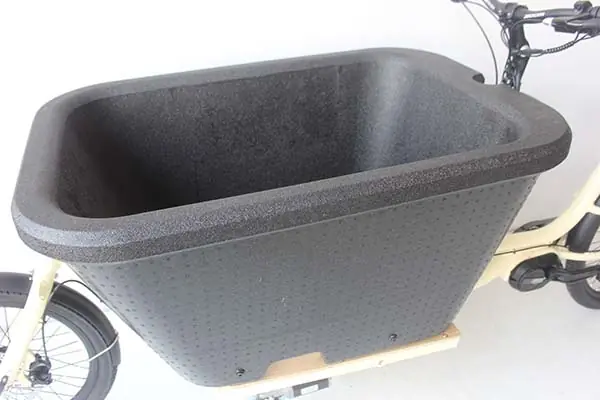 For our large cargo e-bike model, we use a one-piece molded plastic cargo box. The biggest benefit here is the seamless blend of style and strength. Because it's molded, we can create a beautiful, integrated look that feels like part of the bike, not just an add-on. It’s also extremely tough and resistant to rain, sun, and impacts. Many big international brands use plastic for their heavy-duty cargo bikes for this reason. However, there is a major downside for OEM/ODM clients: shipping. A large, one-piece plastic basket is rigid. It cannot be folded or disassembled. This means it takes up a lot of space in a shipping container, which significantly increases freight costs. So while it’s a fantastic material for the end-user, the logistics can be a challenge for businesses.
 |
Feature | Plastic | Aluminum Alloy | Wood |
|---|---|---|---|---|
| Aesthetics | Modern, Seamless | Premium, Technical | Classic, Natural | |
| Durability | Excellent | Very Good | Fair | |
| Shipping Efficiency | Poor | Good | Excellent | |
| Maintenance | Very Low | Very Low | High | |
| Manufacturing | Mold-based | Fabrication | Carpentry |
Is a Wooden Cargo Basket a Good Choice for Your E-Bike?
You love the classic, eco-friendly look of a wooden basket. But you're concerned about its durability in bad weather and how practical it is for large-scale production and shipping.
A wooden basket can be a great choice, especially for shipping efficiency. The panels can be disassembled to reduce package size and cost. However, it is not ideal for very rainy climates and requires maintenance.
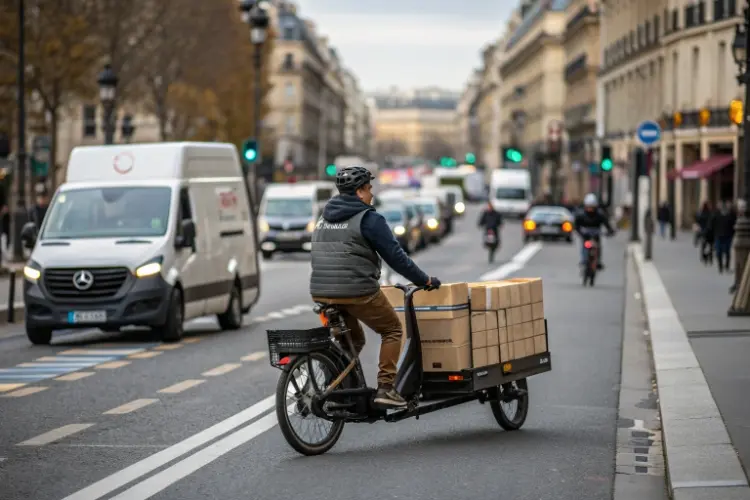 We are currently developing a new large cargo e-bike that will feature a wooden basket, and the primary reason is logistics. The biggest advantage of a wooden basket is that it can be shipped disassembled. The wooden panels can be packed flat, which dramatically reduces the package size. For our wholesale and OEM clients, this is a huge benefit because it lowers shipping costs per unit. The natural look of wood is also very appealing in certain markets, like Northern Europe, where customers value a classic, family-friendly aesthetic. The main drawback, of course, is water. Wood is not the best choice for regions that are constantly wet and humid, as it can warp or rot without proper care and regular maintenance. It's a trade-off between a unique style with shipping advantages and lower weather resistance.
 |
Feature | Wood | Plastic | Aluminum Alloy |
|---|---|---|---|---|
| Shipping Efficiency | Excellent | Poor | Good | |
| Aesthetic Appeal | High (Classic) | High (Modern) | High (Premium) | |
| Weather Resistance | Poor | Excellent | Excellent | |
| Weight | Medium-High | Medium | Low | |
| Sustainability | Renewable Source | Fossil Fuel Based | Recyclable |
What About a Budget-Friendly Fabric and Metal Frame Basket?
You need a functional cargo solution but are working with a tight budget. The high cost of premium aluminum or molded plastic baskets can be a major barrier for your project.
Yes, a basket made from a metal frame with fabric sides is an excellent budget-friendly option. It offers good capacity and can be made foldable, providing great value at a lower price point.
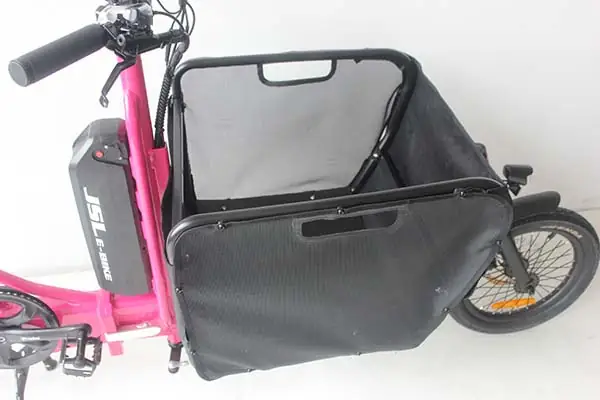 Before we created our 2.0 version, our first mini cargo e-bike used a hybrid basket. This design featured a metal frame for structure, a solid plastic base, and durable fabric sides. This approach had two key advantages. First, the manufacturing cost was much lower than a full aluminum or molded plastic basket. This allowed us to offer a cargo bike at a more accessible price point. Second, the design was foldable, which made it convenient for storage and shipping. It was still quite capable, with a load capacity of 50kg (not including the rider). While it didn't have the premium feel or the extreme strength of our current aluminum model, it was a fantastic starting point. This type of basket is a perfect choice for businesses targeting the entry-level market or needing a cost-effective solution for their e-bike line.
Conclusion
The best cargo basket depends on your goals. Choose aluminum for strength, plastic for style, wood for shipping efficiency, or fabric for budget. Match the material to your market's needs.