Choosing an e-bike battery feels complicated. The cells inside determine your ride's quality, but the brands are confusing. A bad choice means poor range and a short lifespan, wasting your money.
The best e-bike battery depends on your priority. Samsung cells1 offer premium performance and brand trust. LG provides a great balance of quality and cost. Top-tier Chinese cells2 deliver the best value and performance, but require careful supplier selection to ensure quality and safety.
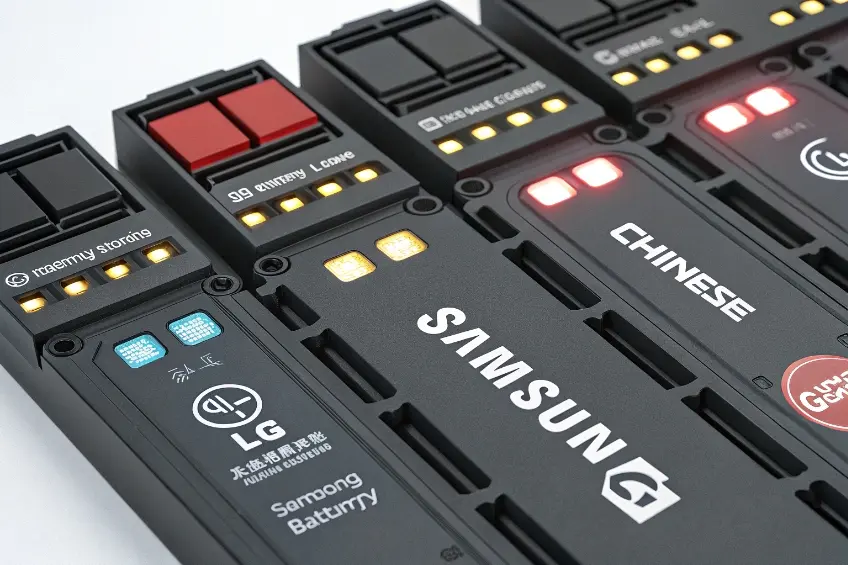
That's the short answer, but the details are what really matter for your business. The battery is the heart of any electric bike. It directly impacts range, power, and how long the bike will last. Let's break down each of these options. This will help you see exactly what you get for your money and make the best choice for your product line.
You want to build a top-of-the-line e-bike with the best performance. But you know premium parts come with a high price tag. You also worry about supply chain delays stopping your production.
Samsung cells are a top choice for high-end e-bikes because of their high energy density3 and stable performance4. This gives riders a longer range and great reliability. However, their high cost and potential for supply shortages are important factors to consider.
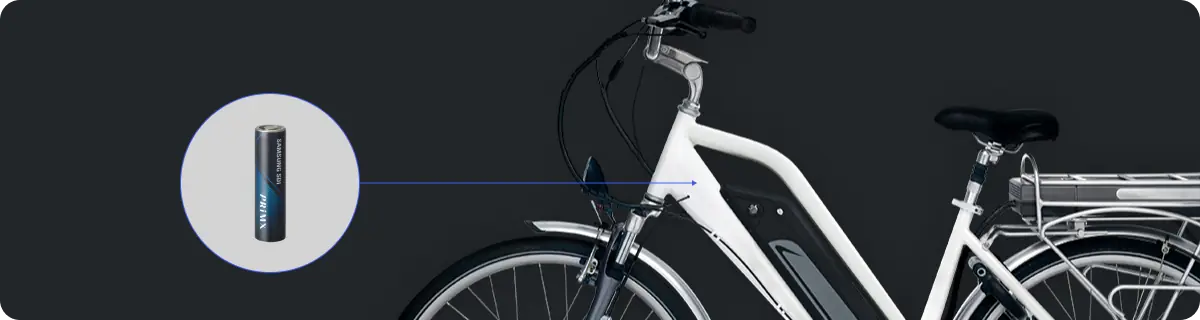
When we talk about premium e-bikes, Samsung often comes up. They have a huge global reputation5, and many people trust the brand name. This trust is well-earned. Their cells are known for being very stable and providing consistent power. They also have a high energy density. This means you can pack more power into a smaller, lighter battery. For a rider, that translates to longer trips without needing a recharge. We have used Samsung cells in many high-performance builds. Our clients love the power and reliability. The main issue is the cost. Samsung cells are expensive, and this increases the final price of the e-bike. Also, because Samsung supplies batteries for so many industries, like electric cars, demand is very high. This can sometimes lead to supply chain shortages6, which can be a problem for manufacturing.
| Feature | Samsung Cells |
|---|---|
| Pros | High brand recognition7, excellent performance, high energy density, strong reliability. |
| Cons | High cost, potential for supply chain shortages due to global demand. |
| Best For | Premium, high-performance e-bike models where brand and top-tier specs are key selling points. |
Is LG the smart, balanced option for your e-bike battery?
You need a very reliable battery for your e-bikes that will not break the bank. You worry that choosing a more affordable option might mean you sacrifice quality or how long the battery lasts.
LG cells8 are an excellent, balanced choice. They offer great stability and a long cycle life9, making them a durable and cost-effective option. They provide a fantastic mix of performance, longevity, and price for a wide range of e-bikes.
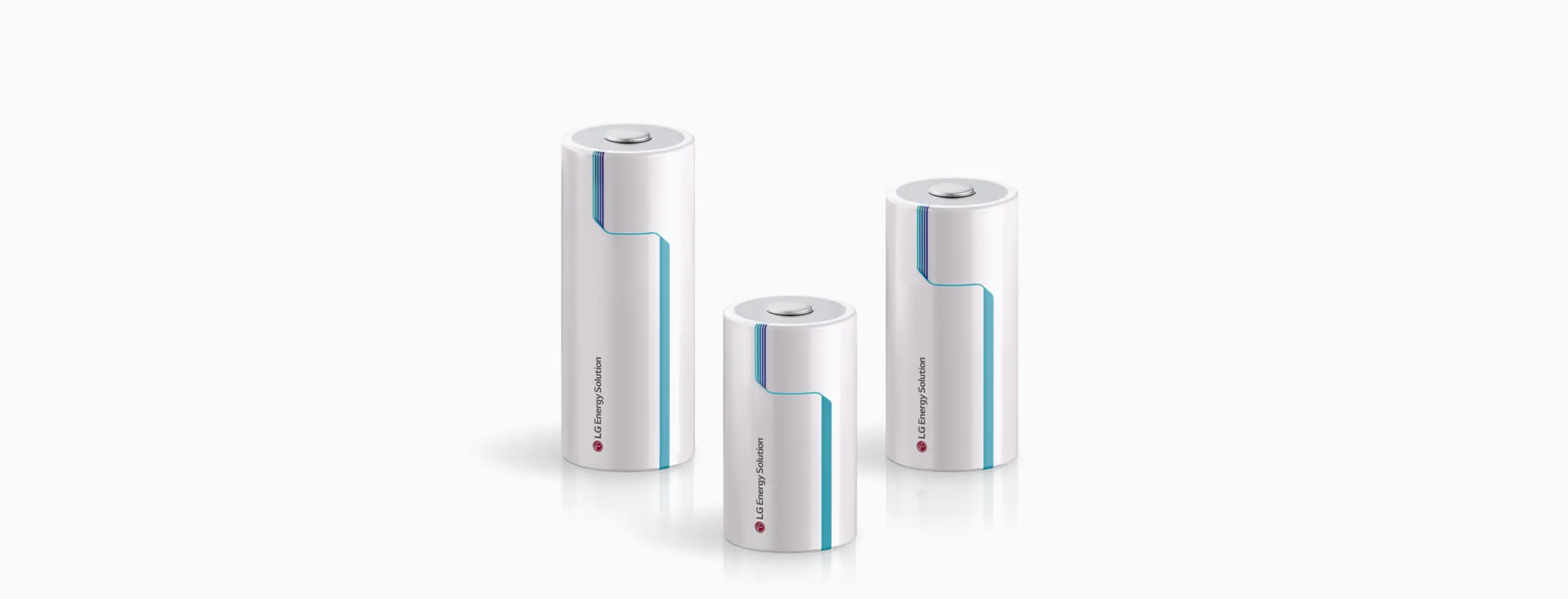
LG is another big name from South Korea, and they make fantastic battery cells. I often see them as the perfect middle ground. Their performance is very stable and reliable, very similar to Samsung in many ways. One of their biggest strengths is their long cycle life. This means the battery can be charged and discharged hundreds of times before it starts to lose a significant amount of its capacity. This is a huge benefit for daily commuters who use their bikes all the time. Another great feature is that LG cells8 hold their charge well, even if the bike isn't used for a while. Their energy density might be a little lower than Samsung's top cells, but it's not something most riders would ever notice. We find LG cells are a perfect fit for many of our OEM partners building city and commuter e-bikes. They deliver the reliability customers expect without pushing the final price too high.
| Feature | LG Cells |
|---|---|
| Pros | Long cycle life, stable performance, good charge retention10, great value for the price. |
| Cons | Slightly lower energy density compared to top-tier Samsung cells. |
| Best For | Mid-range to high-end e-bikes, especially for city commuting and touring where durability and value are important. |
Can Chinese battery cells outperform the big brands?
You are looking for the absolute best value for your e-bike line. But you are worried about the quality and safety of using cells from lesser-known brands that come from China.
Yes, the best Chinese battery cells can now meet or even exceed the performance of major brands, but at a much better price. The secret is working with a manufacturer like us who rigorously tests and selects only the top-tier suppliers.
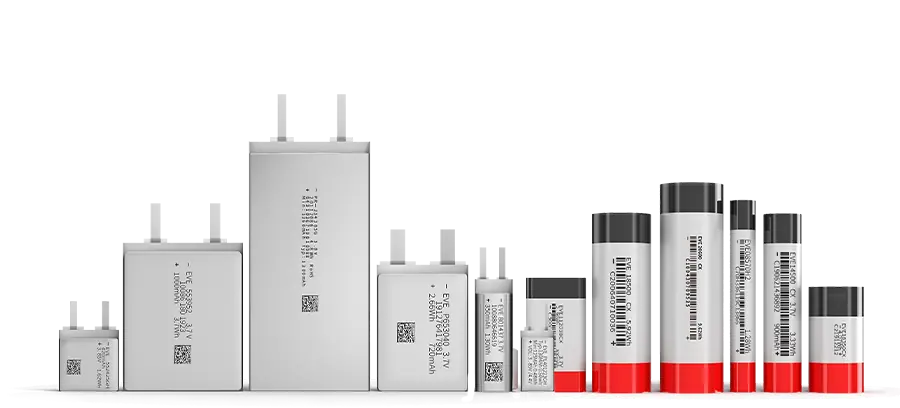
The perception of Chinese batteries is changing fast. In the past, quality was a mixed bag. But now, things are very different. The Chinese battery industry has seen massive investment and technological growth11. As a result, some Chinese brands are now global leaders in quality and performance. The biggest advantage is, of course, the price. They are much more competitive, which allows you to offer a great e-bike at a better price point. Another huge benefit is the supply chain. Chinese suppliers have a complete and robust system, meaning we can get high-quality batteries quickly and reliably. The main challenge is that quality can still vary from one supplier to another. This is where our experience becomes so important. I have personally overseen the testing of cells from dozens of Chinese suppliers. We put them through intense tests for capacity, durability, and safety. Through this process, we have identified a handful of core suppliers whose quality is exceptional. We use these select cells to give our clients the best performance and value without any compromises.
| Feature | Top-Tier Chinese Cells |
|---|---|
| Pros | Highly competitive pricing, excellent performance, rapidly improving technology, stable and fast supply chain. |
| Cons | Brand recognition is still growing, quality varies greatly between suppliers (requires expert vetting). |
| Best For | Any e-bike project focused on providing the best price-to-performance ratio12, from entry-level to high-performance models. |
Conclusion
Samsung is for premium performance, LG offers a great balance, and top-tier Chinese cells provide the best value. The right choice depends entirely on your target market and product goals.
Explore why Samsung cells are trusted for premium e-bikes, offering high energy density and reliability, despite their cost and supply challenges. ↩
Learn how top-tier Chinese cells offer competitive pricing and performance, with the importance of selecting quality suppliers. ↩
Understand how high energy density in batteries translates to longer rides and lighter e-bikes, enhancing overall performance. ↩
Learn about the characteristics of stable battery performance and its importance for consistent e-bike operation. ↩
Discover how a strong global reputation influences consumer trust and the perceived quality of e-bike batteries. ↩
Find out how global demand impacts the availability of premium e-bike batteries and what it means for manufacturers. ↩
Understand the role of brand recognition in consumer trust and how it influences e-bike battery choices. ↩
Discover how LG cells provide a stable, cost-effective solution with long cycle life, making them ideal for city and commuter e-bikes. ↩
Explore the benefits of long cycle life in batteries, ensuring durability and cost-effectiveness for frequent riders. ↩
Learn about the importance of charge retention in maintaining battery efficiency, especially for infrequent e-bike users. ↩
Explore the advancements in Chinese battery technology and how they are closing the gap with established brands. ↩
Discover how to achieve the best value in e-bike batteries by balancing cost with performance and reliability. ↩