Struggling to decide between aluminum and steel for your e-bike frames? The choice seems simple, but it hides complex manufacturing differences that impact your final product and bottom line.
The key difference lies in the welding process. While both materials often use TIG welding1, aluminum requires a "fine-control" manufacturing approach focused on precision and heat management, whereas steel welding is a "structure-focused" process prioritizing durability and strength. This choice dictates frame quality, consistency, and reliability.
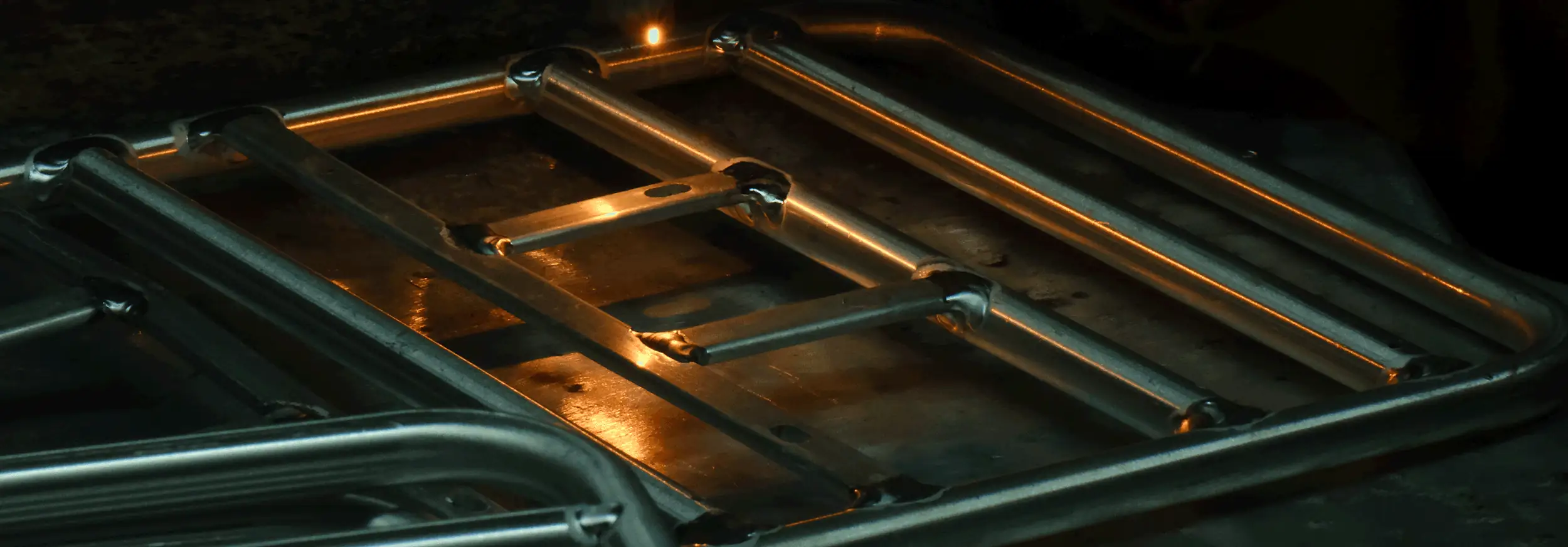
When you're sourcing e-bike frames, you're not just choosing a material. You're choosing a manufacturing path. From our perspective as a manufacturer, the welding process directly impacts everything from frame strength and consistency to production efficiency and even after-sales risk. Understanding the differences between welding aluminum and steel is crucial for making an informed decision that aligns with your brand's goals and your customers' needs. Let's dive into what really happens on the factory floor.
What Are the Most Common Welding Methods for E-Bike Frames?
Wondering how we join the tubes to create a solid frame? The choice of welding method is critical for both strength and appearance, especially for modern e-bike designs.
For both aluminum and steel e-bike frames, the most common and effective method is TIG (Tungsten Inert Gas) welding. Its precision and controllable heat are perfect for the thin-walled tubing of e-bikes, ensuring a strong, clean, and high-quality joint that looks as good as it performs.
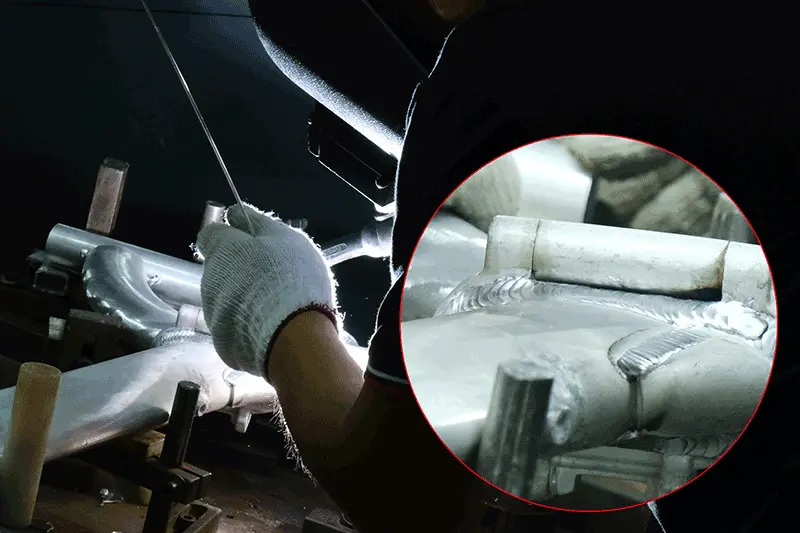
At our factory, we rely on TIG welding for most of our mid-to-high-end frames. E-bike frames are essentially structures made of thin-walled tubes, and the welding requirements are high. You need a connection that is incredibly strong but also has a clean, refined look. TIG welding excels here because it gives our skilled welders maximum control. This allows us to create precise, neat weld beads that don't compromise the structural integrity of the frame. While other methods exist, TIG offers the best balance of structural performance and aesthetic finish. However, it's important to know that applying TIG welding to aluminum is a completely different challenge compared to steel.
Why TIG Welding is the Industry Standard
| Feature | Why It Matters for E-Bike Frames |
|---|---|
| Precise Heat Control | Prevents distortion and warping of thin frame tubes, ensuring proper geometry and component alignment. |
| High-Quality Welds | Creates strong, clean, and visually appealing weld beads that consumers expect from a quality e-bike. |
| Versatility | Works effectively on both aluminum and steel, allowing for consistent quality across different product lines. |
| No Spatter | Results in a cleaner finish that requires less post-weld grinding, protecting the integrity of the joint. |
What Is the Logic Behind Welding Aluminum E-Bike Frames?
You've seen sleek aluminum e-bikes with complex tube shapes. Achieving that look requires more than just a skilled welder; it demands a highly controlled manufacturing system to overcome aluminum's tricky properties.
Welding aluminum is a game of "fine-control manufacturing." The real challenge isn't just making the weld; it's managing heat to prevent deformation, ensuring absolute cleanliness, and using post-weld treatments to restore strength. It’s a full-system approach, not just a single step.
From our experience on the factory floor, welding aluminum consistently is where the real expertise lies. Anyone can join two pieces of aluminum, but can they do it a thousand times with identical results and without compromising the frame's integrity? That's the question. Aluminum’s unique properties make it much less forgiving than steel. It demands a process where every single step, from preparation to finishing, is meticulously managed. This is why we treat aluminum frame production as a systematic process, where the weld itself is just one part of a much larger quality chain.
The Challenges of Aluminum Welding
-
Heat Control is More Difficult Aluminum conducts heat incredibly fast. During welding, this heat spreads rapidly through the frame, which can cause two major problems: distortion and inconsistency. For modern e-bikes with large down tubes for integrated batteries, complex tube shapes, and varying wall thicknesses, poor heat control can ruin a frame. It can affect assembly precision, battery fit, and the overall geometry of the bike. This is why we use custom jigs and precise thermal controls to keep the frame perfectly aligned.
-
Cleanliness is Non-Negotiable Aluminum naturally forms a tough oxide layer2 on its surface. If this isn't completely removed before welding, it can contaminate the weld and create a weak joint. This means the pre-welding stage for aluminum is far more rigorous. We have a multi-step cleaning and preparation process to ensure every surface is pristine. The welding environment itself must also be kept clean to prevent impurities from compromising the weld.
-
Post-Weld Heat Treatment is Essential This is a critical point many people miss. The heat from welding can soften the aluminum around the joint, reducing its strength. To restore the frame to its intended strength and durability, it must go through a post-weld heat treatment process, often called aging. This process is just as important as the weld itself. For us, an aluminum frame isn't "finished" after welding; it’s only finished after it has been properly heat-treated to guarantee its performance.
How Does Welding Steel E-Bike Frames Differ?
Think steel frames are just heavy and old-fashioned? Think again. In the right application, steel's welding logic makes it the perfect choice for e-bikes built for durability and hard work.
Welding steel frames is about "structure-focused manufacturing." The process is more forgiving than aluminum, with a wider margin for error in heat control. The primary goal is creating a robust, durable structure that can withstand heavy loads and long-term fatigue, prioritizing reliability over aesthetics.
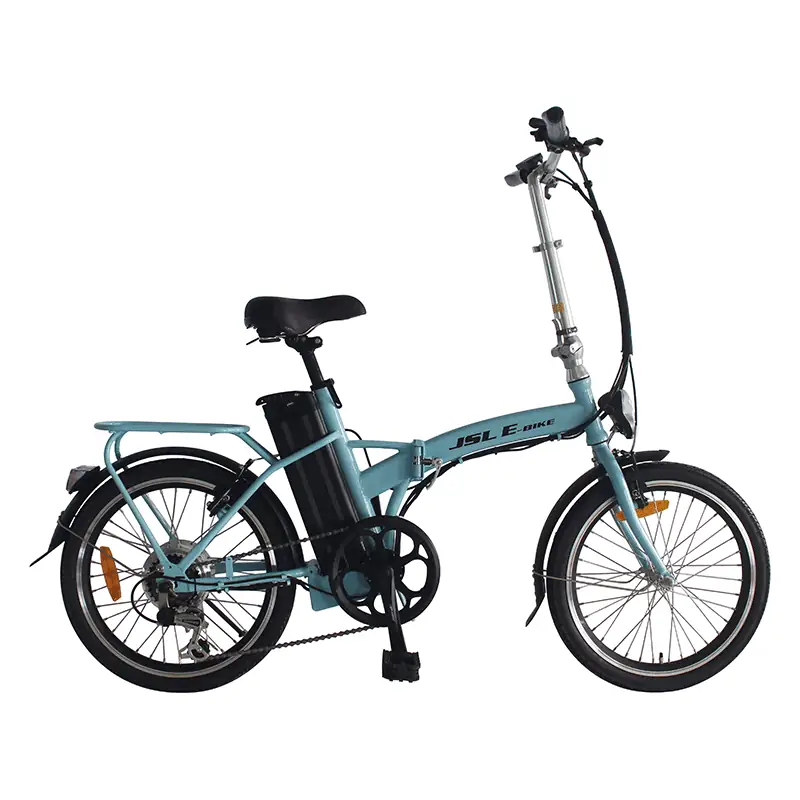
While we also use TIG for our steel frames, the mindset and manufacturing priorities are different. With steel, our focus shifts from managing material sensitivity to maximizing structural integrity. Steel is inherently tougher and more forgiving during the welding process. This doesn't mean it's "easy" to weld steel well—a bad weld is still a bad weld—but the material's properties allow us to focus more on creating bombproof structures. This is why steel remains incredibly relevant for specific e-bike categories where sheer strength and durability are the most important features.
The Logic of Steel Welding
-
A More Forgiving Process Compared to aluminum, steel has a much wider "process window." It doesn't dissipate heat as quickly, making it easier to control the weld pool and reducing the risk of distortion. This tolerance makes steel an excellent choice for building stable, function-first products, especially those designed for heavy-duty use. It's why you still see steel used so often in cargo e-bikes, utility trikes, and commercial delivery vehicles.
-
Emphasis on Durability and Reliability With many steel frame projects, the main objective isn't to create the most delicate, invisible weld bead. The goal is to ensure the structure is unshakable. We focus on achieving deep penetration and a solid bond that can handle constant stress, heavy loads, and rough environments. That said, we still avoid sloppy "chicken poop" welds that look unprofessional. We aim for clean, consistent welds that communicate strength and reliability.
-
Easier Reinforcement and Repair From a B2B perspective, this is a huge practical advantage. In many commercial or emerging markets, customers value products that feel secure and are easy to maintain. Steel frames are much easier to repair or reinforce than aluminum frames. This serviceability gives steel a real-world advantage in applications where the e-bike is a work tool, not a luxury item. The value of a steel frame extends beyond manufacturing into its entire lifecycle.
What Should Buyers Focus on When Choosing a Supplier?
You understand the technical differences, but how does this translate into finding the right manufacturing partner? It’s not about asking if they TIG weld, but how they manage the process.
When choosing a supplier, look beyond the material. For aluminum, verify their expertise in precision, consistency, and heat treatment. For steel, prioritize their ability to build durable, structurally sound frames that handle long-term stress. You're buying the manufacturing capability, not just the material.
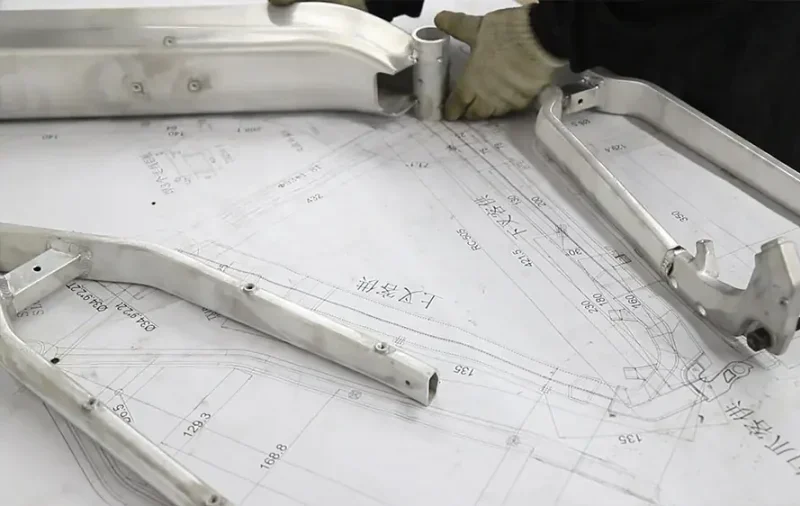
As a B2B buyer, your real concern isn't the name of the welding technique. It's the final result: structural reliability, batch-to-batch consistency, high-quality appearance, and low after-sales risk. When you talk to a potential supplier, you need to dig deeper to understand if their capabilities align with the material you're choosing. A factory that excels at steel might not have the fine-tuned processes required for high-end aluminum, and vice versa.
What to Ask Your Supplier
| For Aluminum Frames, Ask About... | For Steel Frames, Ask About... |
|---|---|
| Precision & Consistency | Structure & Durability |
| Their experience with complex tube shapes and integrated designs. | Their methods for reinforcing high-stress areas like the head tube and bottom bracket. |
| The quality and stability of their welding jigs and fixtures. | Their track record with heavy-duty or cargo applications. |
| Their full post-weld heat treatment3 process and quality control. | How they balance weld strength with a clean appearance. |
| How they ensure consistency across a large production run. | Their anti-corrosion and surface treatment systems. |
| How they control for cosmetic quality and finish. | Their approach to long-term fatigue testing and durability validation. |
In short: welding aluminum tests a factory's ability to manage precision and consistency, while welding steel tests its ability to deliver structure and durability.
How Does the Welding Process Influence an E-Bike's Market Position?
Why does all this technical detail matter for your business? Because the manufacturing path you choose ultimately defines what kind of product you can sell and who you can sell it to.
The welding process directly shapes an e-bike's identity. Aluminum's suitability for complex shapes and clean aesthetics makes it ideal for premium consumer e-bikes. Steel's inherent strength and durability make it the go-to choice for functional, heavy-duty commercial and utility models.
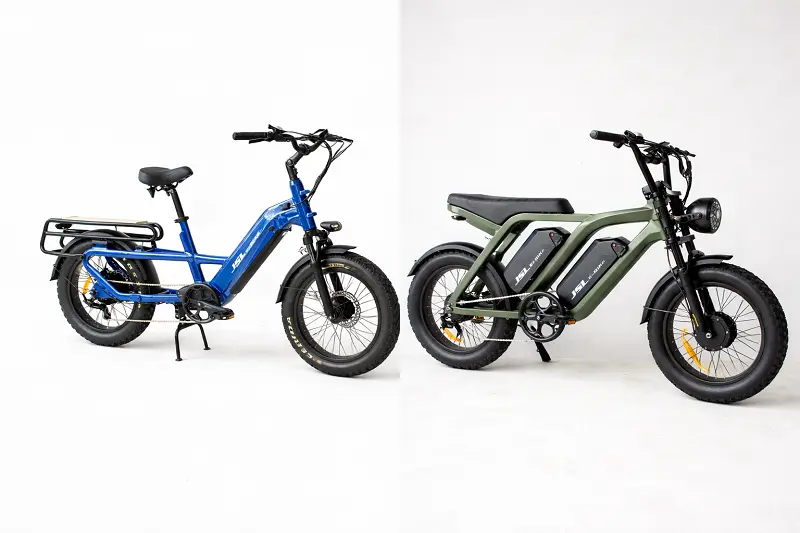
The choice between an aluminum and steel frame isn't just a technical decision; it's a strategic one. The manufacturing process and its results push the final product toward a specific market segment. We've seen this time and time again with our OEM/ODM partners. The brands that succeed are the ones who align their material choice, frame design, and manufacturing process with a clear target audience. Understanding this link is key to developing a product that resonates with customers.
Product Positioning by Frame Material
-
Aluminum Frames for Consumer & Lifestyle Markets Because aluminum welding allows for hydroformed tubes4, smooth welds, and integrated designs, it's the natural choice for products where aesthetics and modern design are paramount.
- Ideal for: City commute e-bikes, trekking and urban models, step-through frames with integrated batteries, and any ODM project where a premium look and feel is a key selling point.
- These products emphasize: Sleek appearance, light weight, and a high-end brand image.
-
Steel Frames for Functional & Commercial Markets Because steel welding focuses on creating robust, reliable structures, it's the perfect foundation for e-bikes that are built to work hard and last long.
- Ideal for: Cargo e-bikes, utility trikes, commercial delivery fleets, and tool-like products for emerging markets where durability and low maintenance are critical.
- These products emphasize: Structural stability, high load capacity, long-term durability, and cost-effective reliability.
Ultimately, the welding differences mean aluminum is better suited for consumer upgrades, while steel excels in functional, utilitarian roles.
Conclusion
The welding process for aluminum and steel frames determines far more than just how they are built. It defines their strength, consistency, and suitability for your target market.
TIG welding offers precision and control, essential for creating strong, clean joints in e-bike frames. ↩
Removing the oxide layer prevents contamination, ensuring strong and reliable welds in aluminum frames. ↩
This process restores strength to aluminum frames, ensuring durability and performance. ↩
Hydroformed tubes allow for complex shapes and designs, enhancing the aesthetic appeal of e-bikes. ↩