Are you targeting the Dutch e-bike market? You might be chasing a market that has already peaked, wasting resources on a strategy built for growth that isn't there.
The Dutch e-bike market is a highly mature, "replacement and upgrade" market. Growth isn't in volume but in high-end models, B2B fleet sales, cargo bikes, and subscription services1. The overall market growth is slow, at only 2.79% CAGR.
I've spent a lot of time looking at market data, and the Netherlands is fascinating. It's not the gold rush some people think it is. The market has basically reached its peak in terms of volume. It's a more complex, nuanced place to do business now. To succeed, you have to look past the surface-level numbers and understand where the real money is being made. Let's break it down together, and I'll show you what we've learned from being in this industry for over 20 years.
Where Are the Real Growth Pockets in This Mature Market?
You see a low overall growth rate and might think there's no money to be made. This could lead you to ignore one of Europe's most valuable e-bike ecosystems entirely.
The real growth is not in overall volume but in specific, high-value niches. You need to focus on premium models over $3500, B2B corporate leasing programs2, the booming cargo bike sector (16.24% CAGR), and speed pedelecs3 (11%+ CAGR).
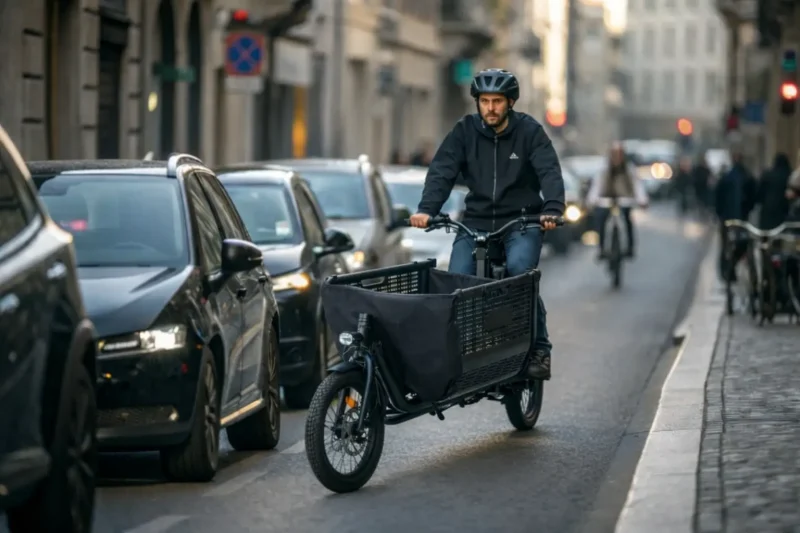
When a market matures, the game changes from selling more units to selling better units. The Dutch market is a perfect example. The growth isn't coming from new riders, but from existing riders upgrading their bikes and from businesses adopting e-bikes into their operations.
Key Growth Areas
| Category | Annual Growth (CAGR) | Why It's Growing |
|---|---|---|
| Premium E-Bikes ($3500+) | Fastest Growing Price Segment | Users are upgrading for better performance, comfort, and smart features. |
| Cargo E-Bikes | 16.24% | The boom in urban logistics and last-mile delivery. |
| Speed Pedelecs (S-pedelecs) | 11%+ | A real alternative to cars for commutes between 5-15km. |
| B2B & Corporate Leasing | Strong Growth | Companies offer e-bikes as employee perks; it's a cost-effective solution. |
The biggest shift we're seeing is from individual buyers to corporate systems. Companies are providing e-bikes to employees as a benefit, and leasing models can save them 25-80% on costs. At the same time, cargo bikes are becoming the go-to tool for city delivery. The conclusion is clear: the money is in raising the average selling price, not the total number of units sold.
What Kind of E-Bikes Are Actually Selling in the Netherlands?
Building a standard e-bike for the Dutch market seems like a safe bet. But if your bike doesn't match the specific preferences of experienced Dutch riders, your inventory will just sit there.
The dominant configuration is a PAS e-bike (71%) with a mid-drive motor (55%) and a lithium-ion battery (94%). While the most popular price range is $1500-$2499, the fastest-growing segment is the premium $3500-$5999 category.
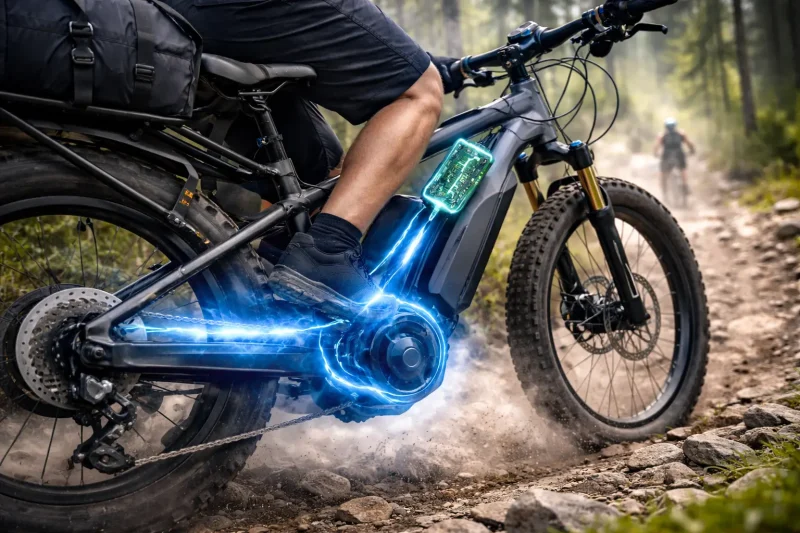
The Dutch aren't new to e-bikes. They are experienced, sophisticated buyers, and they know what they want. This is why the product structure is so specific. A mid-drive motor, for example, offers a more balanced and natural riding feel, which is something a daily commuter or an experienced rider values highly. It's no surprise that it holds over half the market. The dominance of Pedal-Assist Systems (PAS)4 is also a given, as it's the standard for a smooth, bicycle-like experience.
Market Structure Breakdown
| Component / Price | Market Share / Status | Insight |
|---|---|---|
| Drive System | PAS: ~71% | This is the standard, expected system. |
| Motor Type | Mid-Drive: ~55% | Preferred for its balance and premium feel. |
| Price Point (Mainstream) | $1500–$2499 | The largest segment, but also the most competitive. |
| Price Point (Growth) | $3500–$5999 | The fastest-growing segment, indicating a move to premium. |
This data tells a very clear story. The low-end market is difficult and unprofitable. The mainstream market is crowded. The real opportunity for a manufacturer like us is in the premium segment. People are willing to pay more for better technology, durability, and features. This is the definition of an upgrade market.
What Key Trends Are Shaping the Future of Dutch E-Bikes?
You might think that selling a bike is the end of the transaction. In the Netherlands, this old model is dying, and you could be left behind if you don't adapt to the new way of doing business.
The biggest trend is the shift from ownership to usership with subscription models like Swapfiets. Other key trends include smart features like GPS tracking becoming standard, the rise of low-maintenance belt drives, and a 15% CAGR in online sales.
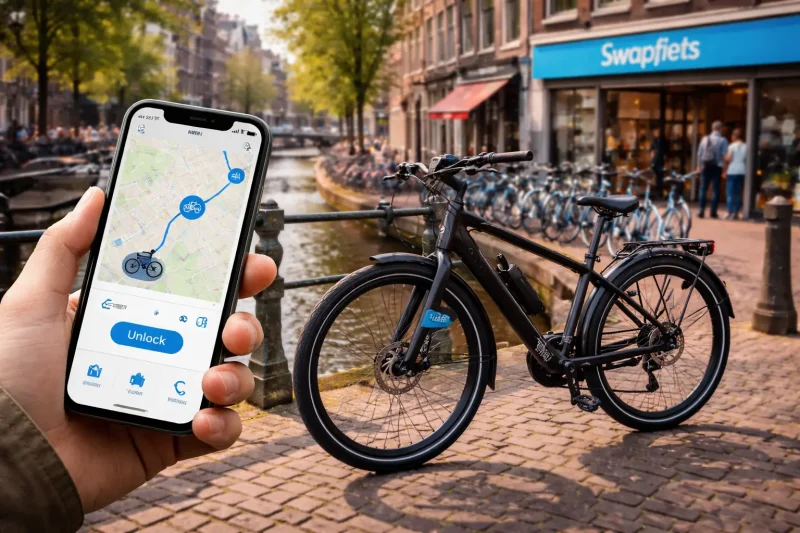
The idea of "selling a bike" is becoming outdated in the Netherlands. The market is moving towards selling a complete transportation solution. The most powerful example of this is the subscription model. Companies like Swapfiets and Lease a Bike don't just sell you a bike; they sell you a service that includes the bike, maintenance, insurance, and even replacement if it's stolen. This is a massive shift from product to service.
Another huge trend is the integration of smart technology. With bike theft being a serious problem, GPS tracking is no longer a luxury feature; it's a necessity, especially for insurance. For premium bikes, customers expect smart features like remote management and over-the-air (OTA) updates. If your high-end bike doesn't have smart features, it will be very difficult to sell. We are also seeing a steady rise in belt drives. They are quiet, clean, and require almost no maintenance, which is perfect for daily commuters and B2B fleets that need reliability above all else.
How Should a Manufacturer Approach the Dutch E-Bike Market?
You want to enter the Dutch market with your standard OEM models. This approach, focused on volume and low prices, is exactly what will fail in this sophisticated and mature ecosystem.
As a manufacturer, you must avoid low-price OEM and standard, generic models. Instead, focus on developing customizable B2B fleet bikes (cargo and commuter), high-end configurations with mid-drive motors and belt drives, and integrating smart, connected features.
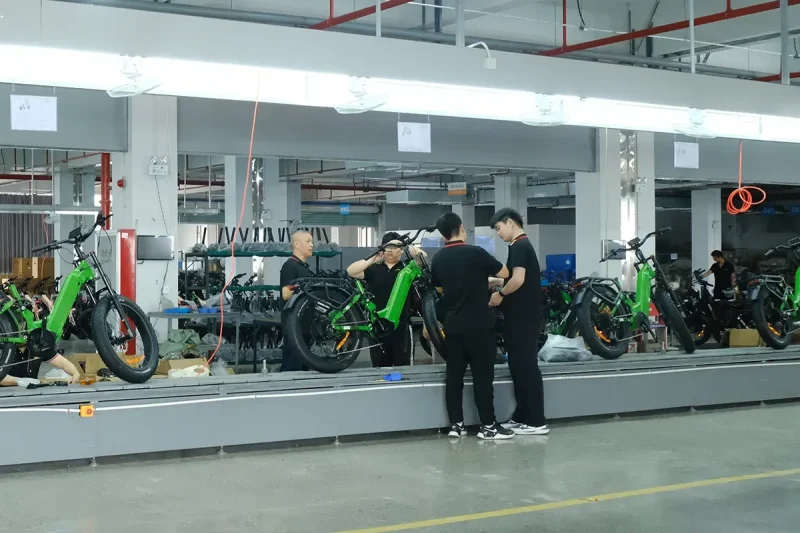
Based on everything we see, the strategy for the Netherlands has to be targeted and specific. This is not a market for beginners or for those who want to compete on price alone. The competition is fierce, but they are competing on brand, technology, and service, not on who is cheapest.
As a factory with over 20 years of OEM/ODM experience, here's my direct advice:
What you should NOT do:
- Low-Price OEM: The market is not looking for the cheapest bike. Trying to win on price is a losing battle.
- Standard Models: A generic, one-size-fits-all e-bike will not stand out. The demand is for specialized, high-performance products.
What you SHOULD do:
- Focus on B2B Fleets: Develop robust, reliable, and customizable models for corporate leasing and delivery services. Think cargo bikes and durable commuter bikes.
- Build High-End Configurations: Your R&D should focus on integrating premium components that Dutch customers want: mid-drive motors, belt drives, integrated batteries, and advanced smart features.
- Offer Deep Customization: B2B clients need bikes that fit their specific needs. Offer custom branding, frame adjustments, and software integration (like fleet management).
The Dutch market is the blueprint for a "post-growth" e-bike world. It shows us that the future is not about selling more, but selling better.
Conclusion
The Dutch e-bike market is a mature, high-end ecosystem. Success comes from premiumization, B2B solutions, and service-based models, not from pushing low-cost volume.
Subscription models offer continuous revenue streams, making them a smart business strategy. ↩
Leasing programs provide cost-effective solutions for companies, boosting e-bike adoption. ↩
These bikes offer a viable alternative to cars for short commutes, tapping into eco-friendly transport trends. ↩
PAS offers a smooth riding experience, preferred by daily commuters and experienced riders. ↩