Struggling with rising urban delivery costs and emissions penalties? Cargo e-bikes offer a powerful, green solution that bypasses traffic and regulations, saving your business time and money.
EU green policies1 are making cargo e-bikes essential for business. Purchase subsidies, new bike lanes, and Low-Emission Zones2 cut delivery costs, help companies avoid traffic, and eliminate emission penalties, creating a massive opportunity for logistics and delivery companies across Europe.
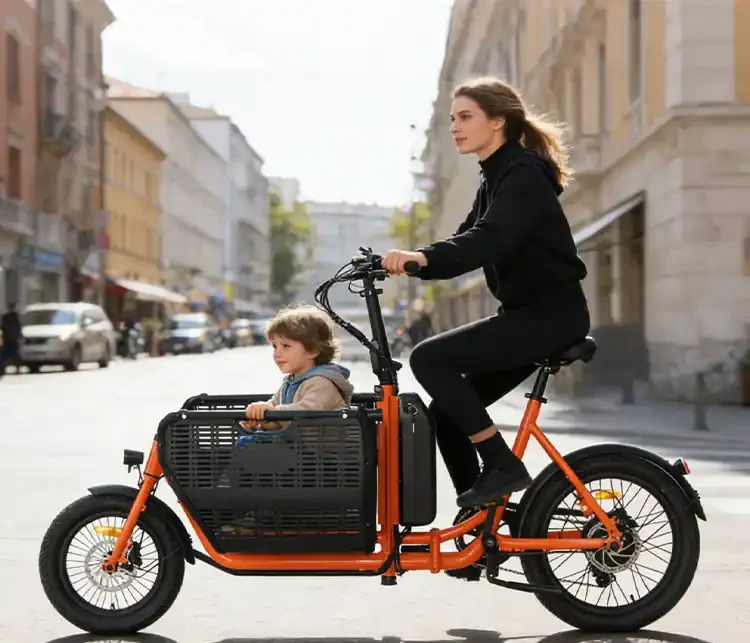
This isn't just a passing trend; it's a fundamental shift in urban logistics driven by strong government action. As an e-bike manufacturer with over 20 years of experience, I've seen this demand explode firsthand. For any business operating in Europe, understanding these policies is key to unlocking a more efficient and profitable future. Let's break down the specific drivers that are making cargo e-bikesan essential investment.
Why is Corporate E-Bike Leasing Exploding in Europe?
Trying to attract top talent in a competitive market? Employees want better, greener perks, and corporate e-bike leasing offers a tax-efficient benefit that aligns with modern sustainability goals.
Corporate e-bike leasing is booming because of major tax benefits for employees, often cutting their costs by 30-50%. For us as manufacturers, this creates predictable fleet sales and helps us manage production with much lower inventory risk.
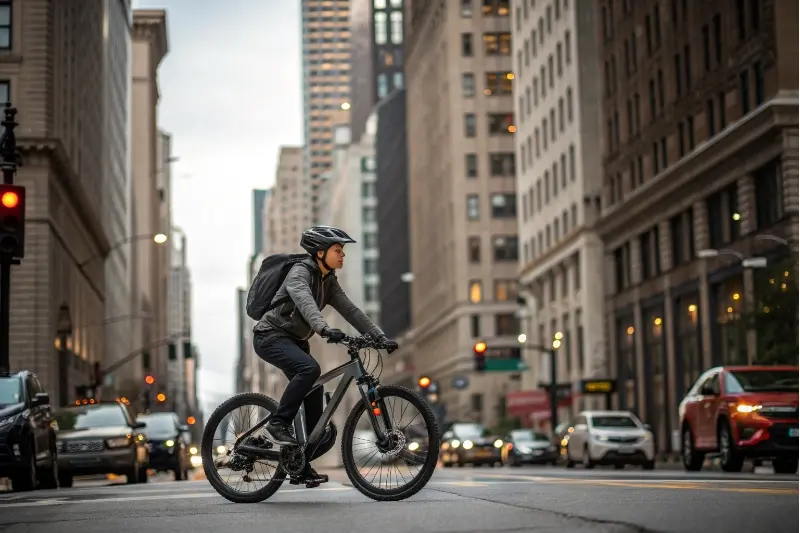
The corporate leasing model has become a powerful engine for e-bike adoption, especially in countries like Germany, the Netherlands, Belgium, and France. From my perspective as an OEM, this trend provides a clear and stable sales channel. Instead of unpredictable individual purchases, we see large, scheduled fleet orders from leasing companies. This allows us to plan our production cycles with greater accuracy, a process known as just-in-time manufacturing. It reduces our need to hold large, expensive inventories. Platforms like NAVIT are also simplifying the process by standardizing HR rules across different countries. This makes it easier for multinational companies to offer e-bike leasing as a consistent perk, which is especially valuable in a tight labor market where attractive benefits can make all the difference.
Benefits of the Corporate Leasing Model
| Stakeholder | Key Benefit |
|---|---|
| Employees | Lower cost of ownership (30-50% savings) through payroll deductions. |
| Employers | Attract and retain talent with a modern, green employee benefit. |
| OEMs (Like Us) | Clear sales forecasts, enabling efficient production and lower inventory risk. |
How Do Government Subsidies Make Cargo E-Bikes More Affordable?
Worried about the high initial cost of an e-cargo bikefleet? These upfront expenses can delay crucial upgrades, but government incentives3 are changing the financial equation for businesses.
EU governments offer huge purchase subsidies that dramatically lower the barrier to entry. For instance, France provides up to €4,000 per e-bike, making the decision to invest in a green delivery fleet much easier for businesses.
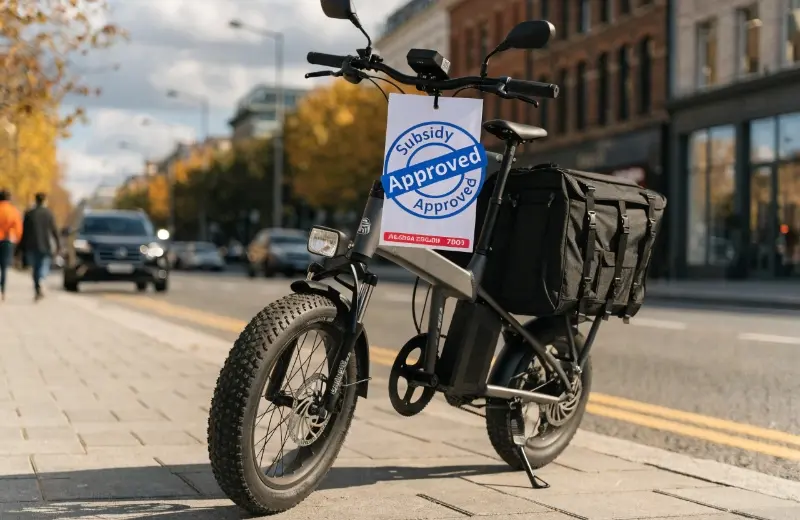
As a manufacturer, we see how these subsidies directly impact our clients' purchasing decisions. They turn a significant capital expenditure into a manageable and smart investment. The financial support varies by country, but the goal is the same: to accelerate the shift to green mobility. For our clients—whether they are international brands, wholesalers, or importers—these subsidies are a powerful selling point. They can market e-bikes to their customers not just on performance and quality, but also on financial accessibility. It helps them build a strong business case for fleet managers and small business owners alike. We work closely with our partners to ensure our cargo e-bike models meet the eligibility requirements for these programs, making the process seamless for the end buyer.
E-Bike Incentives Across Key EU Markets
| Country | Type of Incentive | Example |
|---|---|---|
| France | Direct Purchase Subsidy | Up to €4,000 for a new electric cargo bike. |
| Netherlands | Tax Depreciation | Employers can write off the cost of e-bikes for employees. |
| Germany | Purchase Grants | Varies by city and state, often for commercial cargo bikes. |
| Belgium | Tax Deduction & Leasing | Combines wage deductions with attractive leasing models. |
Are Cargo E-Bikes the Future of Last-Mile Delivery?
Are your urban deliveries stuck in traffic? These delays frustrate customers and hurt your bottom line, making it hard to promise fast and reliable service in congested city centers.
Yes, for packages under 30kg and routes within 10km, cargo e-bikes are a superior solution. They can reduce per-delivery costs by up to 25% and completely avoid parking fines, which is why DHL, Amazon, and UPS are building large fleets.
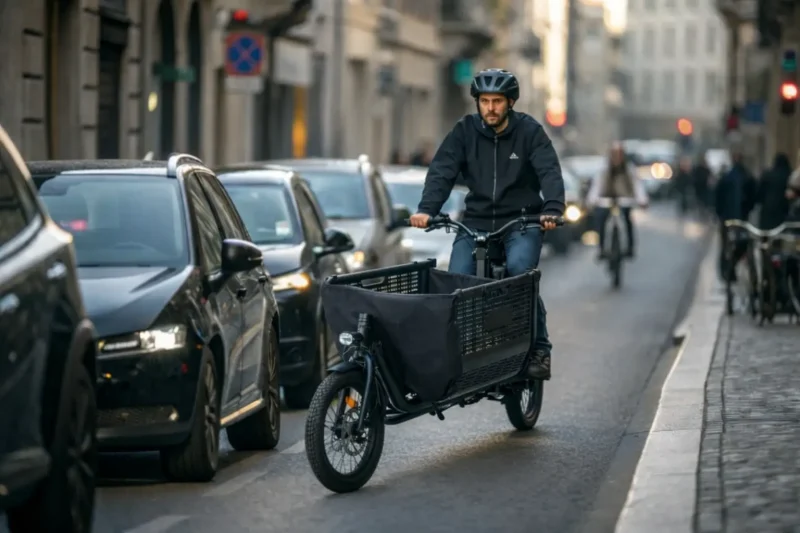
The economic case for cargo e-bikes in last-mile logistics is undeniable. They are not just eco-friendly; they are more efficient. By weaving through traffic and using bike lanes, riders can complete routes faster than a traditional van. This speed, combined with the elimination of fuel costs and parking fines, leads to significant operational savings. For us as an OEM, this commercial market is particularly attractive. Business buyers are willing to pay a 40% to 60% premium for robust, high-capacity cargo models designed for heavy daily use. This focus on durability and performance increases our profit margins. More importantly, logistics companies order in predictable, large volumes. This allows us to scale production efficiently and build long-term partnerships with major delivery players who are committed to electrifying their fleets.
Economic Advantages of Cargo E-Bikes in Logistics
| Factor | Traditional Van | Cargo E-Bike |
|---|---|---|
| Per-Delivery Cost | High (Fuel, Parking) | Up to 25% Lower |
| Urban Access | Restricted by LEZs | Unrestricted |
| Delivery Speed | Slowed by Traffic | Faster in Congestion |
| Upfront Cost | High | Lower (with subsidies) |
How Does Better Cycling Infrastructure Boost E-Bike Adoption?
Many potential riders worry about safety when cycling in cities. Sharing busy roads with cars and trucks can feel dangerous and discourages people from choosing a bike for their commute.
Cities with at least 15km of dedicated bike lanes per 100,000 people see 40% higher e-bike adoption. The thousands of kilometers of new lanes in Paris, Madrid, and across Spain are turning occasional riders into daily commuters.
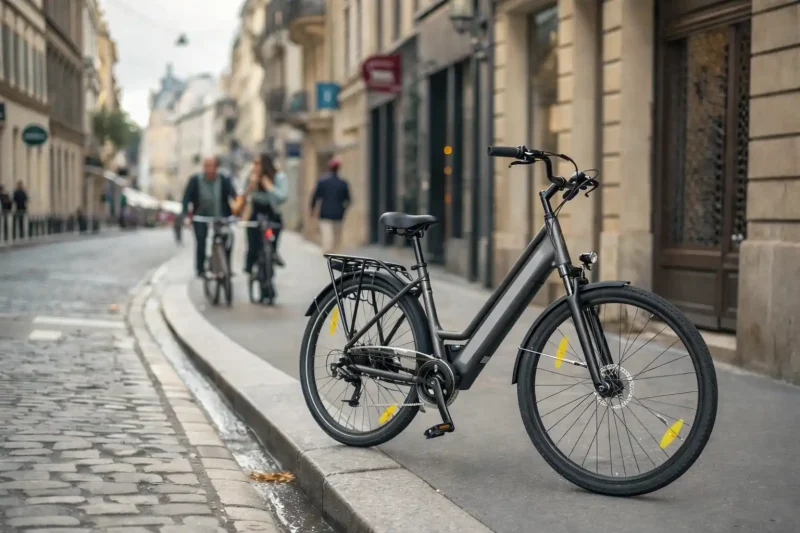
From our manufacturing standpoint, infrastructure is the foundation of a stable, long-term market. While subsidies create a short-term sales spike, protected bike lanes create habitual users. When people feel safe, cycling transforms from a weekend hobby into a reliable daily transportation method. This is a crucial shift. Since 2020, Paris has added over 1,000 km of new lanes, and Spain has allocated funds for 8,000 km by 2030. This investment fundamentally changes the public's perception of risk. Concerns about bad weather or traffic accidents diminish when there's a safe, direct, and protected route available. For our B2B clients, this means the demand for e-bikes becomes more consistent and less seasonal. It builds a culture of cycling that ensures a steady need for new bikes, replacement parts, and accessories for years to come.
The Impact of Infrastructure on Rider Behavior
| Infrastructure Level | Rider Perception | Market Impact |
|---|---|---|
| Low (No Lanes) | High risk, recreational use only | Niche, enthusiast market |
| High (Protected Lanes) | Low risk, daily commuting is viable | Mass adoption, stable demand |
Why Do Low-Emission Zones Make Cargo E-Bikes a Necessity?
Driving and parking commercial vehicles in city centers is becoming incredibly expensive. Low-Emission Zones2 (LEZs) and daily congestion charges add significant costs and logistical headaches for delivery businesses.
LEZs and congestion fees make internal combustion vehicles impractical for city-center access. Cargo e-bikes are the perfect alternative, offering a cost-effective and efficient way to navigate these restricted zones without paying penalties.

These regulations are no longer a minor inconvenience; they are a major operational barrier. In many European cities, entering a LEZ with an older, non-compliant vehicle results in a heavy daily fine. For delivery companies making multiple stops, these costs add up quickly. This is where cargo e-bikes shift from a "nice-to-have" green initiative to an essential business tool. They provide unrestricted access to the most valuable commercial areas of a city. As an OEM/ODM partner, we design our cargo e-bikes specifically for this reality. We focus on building durable frames, reliable battery systems, and customizable cargo solutions that allow businesses to operate efficiently within these zones. Our clients can then offer their customers a product that directly solves a costly and growing problem, making it an easy choice for any business focused on urban logistics.
| Vehicle Type | Access to LEZs | Daily Operating Cost |
|---|---|---|
| Combustion Van | Restricted / Penalized | High (Fuel + Fines) |
| Electric Van | Permitted | Moderate (Charging) |
| Cargo E-Bike | Unrestricted | Very Low (Charging) |
Conclusion
In short, EU green policies are creating the perfect conditions for cargo e-bike demand. For businesses, now is the time to invest in this growing and highly profitable market.
Learn about the EU's green policies and their influence on logistics, offering opportunities for sustainable business practices. ↩
Find out how Low-Emission Zones impact delivery operations and how businesses can adapt to these regulations. ↩
Explore how government incentives lower the cost of cargo e-bikes, making them accessible for businesses. ↩