An e-bike is a big investment for your business. You worry about its lifespan and long-term costs. Understanding key factors helps you make smart purchasing and maintenance decisions.
On average, an electric bike lasts between 5 to 10 years. This lifespan heavily depends on the quality of its core components, especially the frame and battery, as well as how it's used and maintained. High-quality parts and proper care1 are crucial for ensuring longevity.
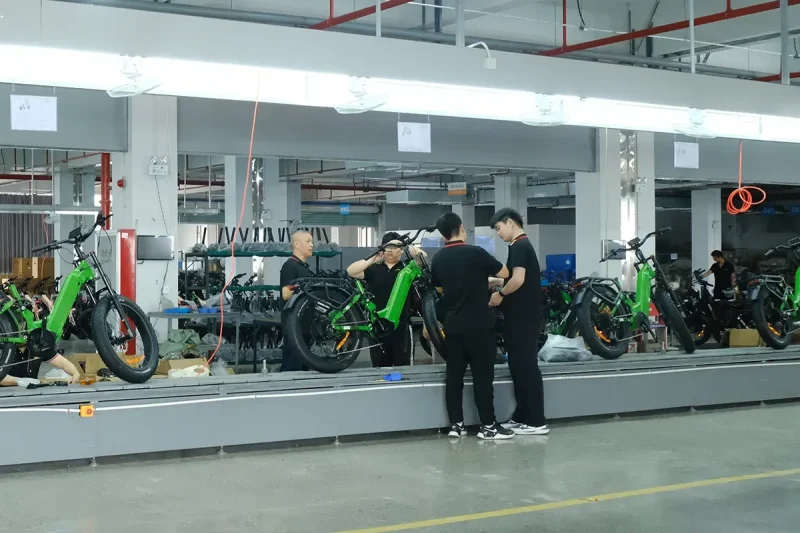
So, what really makes an e-bike last a long time? It's not just one single part, but how all the components work together and how well they are cared for. The difference between an e-bike that fails in a year and one that lasts a decade often comes down to a few critical elements. Let's break down the most important parts that determine your e-bike's lifespan and how you can get the most out of your investment.
What parts most affect the life of an electric bike?
Choosing the wrong components can lead to frequent failures. This means unhappy customers and high repair costs for you. Let's pinpoint the parts you must focus on for durability.
The frame and the battery are the two most critical components. A well-made frame can easily last 5-10 years, but a battery's typical lifespan is shorter, around 2-5 years. Mechanical parts like brakes and gears are also key and need regular maintenance2 to last long.
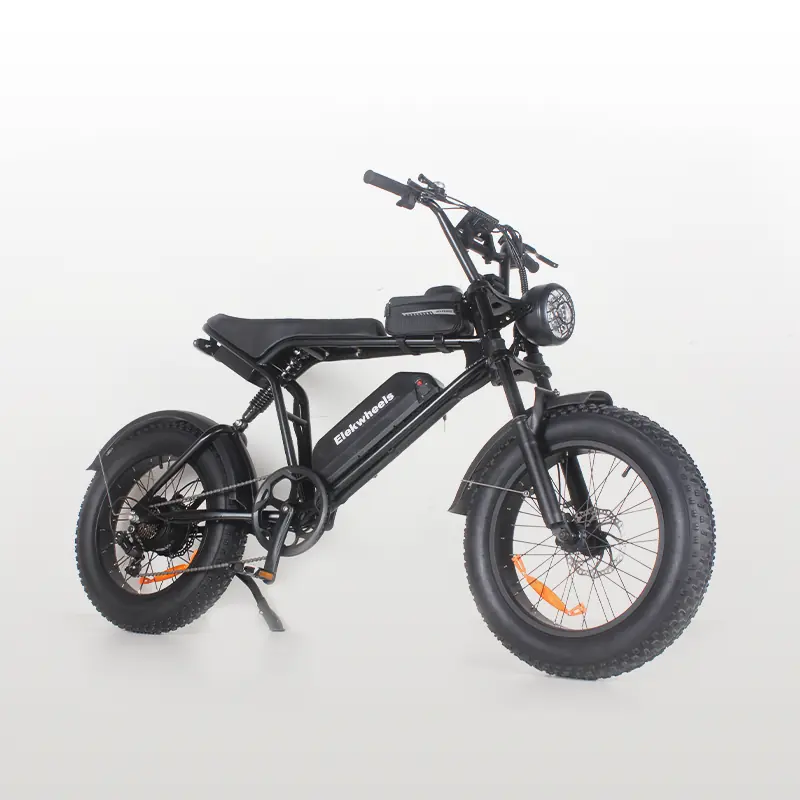
The frame and battery have the biggest impact on an e-bike's usable life. The frame is the backbone of the bike. A properly manufactured frame should last 5-10 years without cracking or breaking. But if you source a cheaper frame, you can't guarantee its durability. For example, a client in Europe once purchased an e-bike from another supplier, and the frame snapped in less than a month. They then came to us to produce a stronger, more reliable electric bike. The battery, on the other hand, has a shorter life, usually 2-5 years. Over time, its ability to hold a charge will decrease, especially in cold weather. You must replace the battery when it gets old to extend the e-bike's overall life. As a factory with nearly 30 years of experience, we have tested countless batteries to ensure our products use only the best.
| Component | Average Lifespan (Personal Use) | Key Factors for Longevity |
|---|---|---|
| Frame | 5 - 10+ years | Material quality, weld strength, anti-corrosion treatment |
| Battery | 2 - 5 years | Charging habits, brand quality, storage conditions |
| Motor | 5 - 10 years | Brand reputation, maintenance, usage intensity |
| Brakes/Gears | 3 - 7 years | Regular cleaning, adjustment, and part replacement |
Does commercial use shorten the life of an electric bike?
You might plan to use e-bikes for delivery or sharing services. But you worry the intense daily use will destroy your investment quickly. Here’s how different commercial uses impact e-bike lifespan.
Yes, commercial use almost always shortens an e-bike's lifespan due to higher stress and frequency of use. Urban delivery strains batteries and brakes, while bike-sharing fleets face harsh conditions. Regular, intensive maintenance becomes absolutely critical to manage this accelerated wear and tear.

The lifespan figures I mentioned earlier are mostly for personal use. When you use e-bikes for business, their life will naturally be shorter. Let's look at a few different scenarios. For urban delivery, bikes are used for frequent short trips with lots of starting and stopping. This puts a heavy load on the battery and the braking system. With such high-frequency use, the battery and brake pads will wear out much faster. You need to check and replace them regularly to keep your fleet running efficiently. For bike-sharing services, the e-bikes often face tough environments and rough handling from many different users. So, you need to pay close attention to the durability of the frame, battery, motor, and any smart systems. Employee commuting is usually less intense. In this case, the e-bikes can last longer. We advise companies to teach their employees how to use the battery correctly, like avoiding leaving it on the charger for too long.
| Commercial Use Case | High-Stress Components | Recommended Action |
|---|---|---|
| Urban Delivery | Battery, Brakes, Tires | Frequent checks, planned replacement schedule |
| Bike Sharing | Frame, Battery, Motor, Smart IoT | Use robust, vandal-proof components; intensive maintenance |
| Employee Commuting | Battery | Educate users on proper charging and care |
How can you extend the life of an e-bike battery?
Replacing e-bike batteries is expensive and cuts into your profits. A premature battery failure can ground your entire fleet unexpectedly. You can follow these simple practices to maximize your battery's lifespan.
To extend battery life, avoid overcharging and deep discharging. Store batteries in a cool, dry place. For commercial fleets, use a smart Battery Management System (BMS) to monitor health and plan replacements before a failure occurs, ensuring your operations continue without interruption.
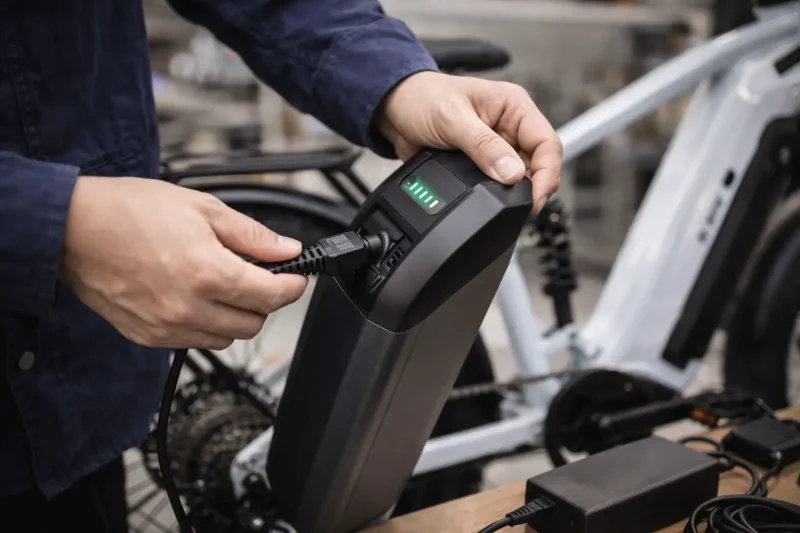
The battery is a key factor in your e-bike's overall life, and luckily, you can do a few things to make it last longer. First, avoid extreme charging habits. Don't leave the battery plugged in for days after it's full, and try not to run it down to 0% all the time. For businesses, a smart Battery Management System (BMS)3 is a game-changer. It allows you to monitor the battery's charge status, temperature, and overall health in real-time. This data is incredibly valuable. It helps you create a battery replacement plan. When the system shows that a battery's performance is starting to decline, you can order a new one ahead of time. This proactive approach prevents unexpected downtime for your fleet and keeps your business running smoothly. Our IoT-enabled battery solutions for shared e-bikes are designed specifically for this kind of advanced fleet management.
What regular maintenance do electric bikes need?
Regular wear and tear can lead to costly e-bike repairs down the line. Ignoring small issues can cause major breakdowns and even create safety hazards for your riders.
Regular maintenance is essential. You should frequently check the frame, wheels, brakes, and drive system, replacing worn parts promptly. Also, inspect the motor, controller, and battery connections. Keeping the bike clean, especially the chain and electrical parts, prevents damage from dirt and water.
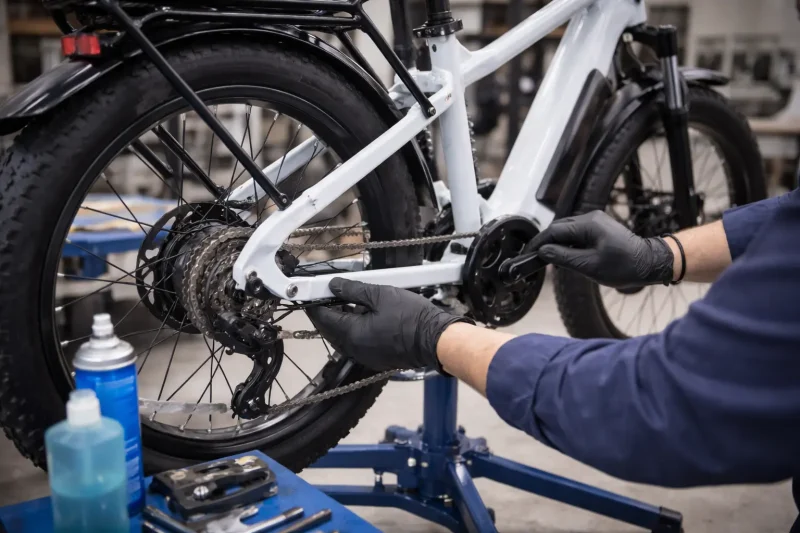
A simple maintenance checklist can keep your e-bikes running smoothly and safely for years. You should regularly check the mechanical parts. Look for any cracks in the frame, make sure the wheels are straight, and check the brake pads for wear. The drivetrain, including the chain and gears, needs to be clean and lubricated. You also need to check the electrical system. Make sure all connections to the motor, controller, and battery are secure and free of any dirt or corrosion. Cleaning the bike is also very important. Dirt and mud can wear down the chain and gears much faster. Water can also damage electrical components if they aren't kept clean and dry. For a commercial fleet, we recommend creating a clear schedule for these checks to ensure nothing is missed and your investment is protected.
| Maintenance Task | Frequency (for Commercial Fleet) | Why It's Important |
|---|---|---|
| Tire Pressure Check | Weekly | Prevents flats, ensures efficiency and safety |
| Brake Inspection | Weekly | Critical for rider safety, check pad wear |
| Chain Cleaning & Lube | Bi-Weekly | Extends drivetrain life, ensures smooth shifting |
| Frame & Bolt Check | Monthly | Prevents structural failure, ensures all parts are secure |
| Electrical Connections | Monthly | Prevents power loss and component damage |
Conclusion
An e-bike's lifespan depends on quality parts and consistent care. By choosing a reliable OEM partner and following a maintenance plan, you can maximize your investment and ensure long-term performance.