Struggling to grasp the complex European e-bike market1? You see growth but can't pinpoint the key drivers. We'll break down the numbers and trends for you.
The European e-bike market is set to grow from USD 22.08 billion in 2026 to USD 26.56 billion by 2031, with a 3.76% CAGR. Key growth areas include corporate leasing2, last-mile delivery fleets3, and mid-drive motor systems4, especially in Germany and Poland.
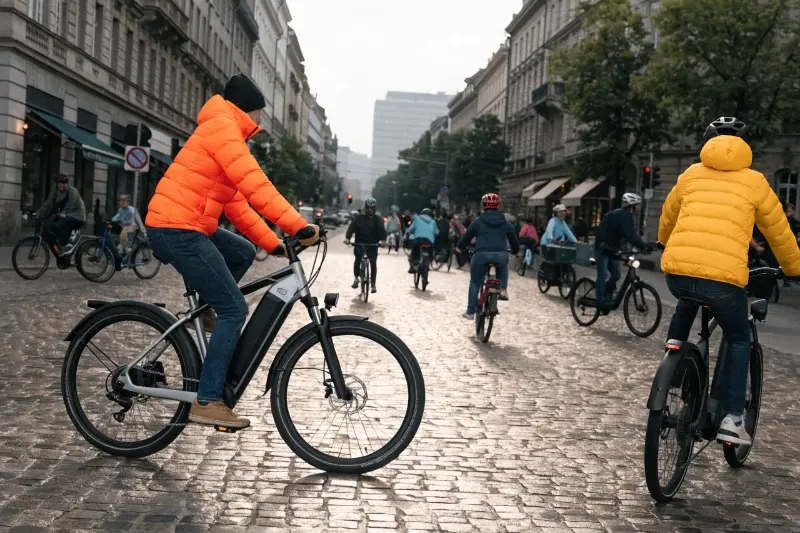
These numbers tell a story of growth, but what's really driving it? And what challenges could slow it down? As an e-bike manufacturer, we watch these trends closely because they affect everything from our designs to our production lines. Let's dive into the details that matter for your business.
What Key Trends Are Driving and Restraining the E-Bike Market in Europe?
Wondering what's really pushing e-bike sales? It's hard to separate hype from real market forces. We've identified the top factors that are shaping demand and creating challenges.
Key drivers include corporate bike-leasing programs, government purchase subsidies5, and the rise of e-cargo fleets for last-mile delivery. Major restraints are the high upfront cost6 compared to traditional bikes and recent dealer inventory issues7, which have caused market turbulence.
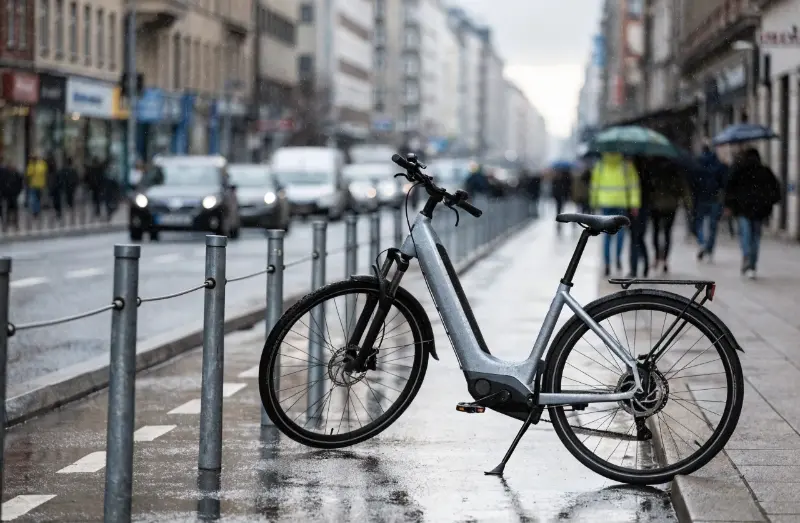
As a manufacturer, we see these trends directly. We get more inquiries for durable cargo e-bikes from logistics companies and for high-quality city e-bikes from leasing platforms. These commercial clients demand reliability and low maintenance, which is why we focus on robust frames and quality components. The growth in protected bike lanes8 also makes people feel safer, turning occasional riders into daily commuters. It's a powerful combination of financial incentives and infrastructure improvements that fuels the market.
Key Growth Drivers
The data shows several strong factors pushing the market forward. Corporate leasing is a huge one, turning a big purchase into a manageable monthly expense for employees.
| Driver | Impact on CAGR | Key Regions |
|---|---|---|
| Corporate Bike-Leasing | +0.9% | Germany, Netherlands, France |
| Purchase Subsidies | +0.8% | France, Germany, Belgium |
| Last-Mile E-Cargo Fleets | +0.7% | Urban EU & UK |
Major Market Restraints
On the other hand, the high initial cost is a real barrier, especially in markets with lower average incomes. While subsidies help, the price difference is still significant. We try to address this by offering a range of models, but quality components have a cost. The recent inventory crisis, with brands like VanMoof going bankrupt, also made dealers cautious. They are ordering less, which affects our production planning. It's a reminder that the supply chain needs to be managed carefully.
Which E-Bike Types Are Most Popular in Europe?
Not sure which e-bike models to focus on? The market is diverse, and picking the wrong segment can be costly. We'll show you which types are winning right now.
City/urban e-bikes9 dominate the market, making up over 73% of sales for daily commuting. Pedal-assist models are the standard, but faster speed-pedelecs10 are growing. Cargo/utility bikes are also expanding quickly as businesses and families replace cars for short trips.
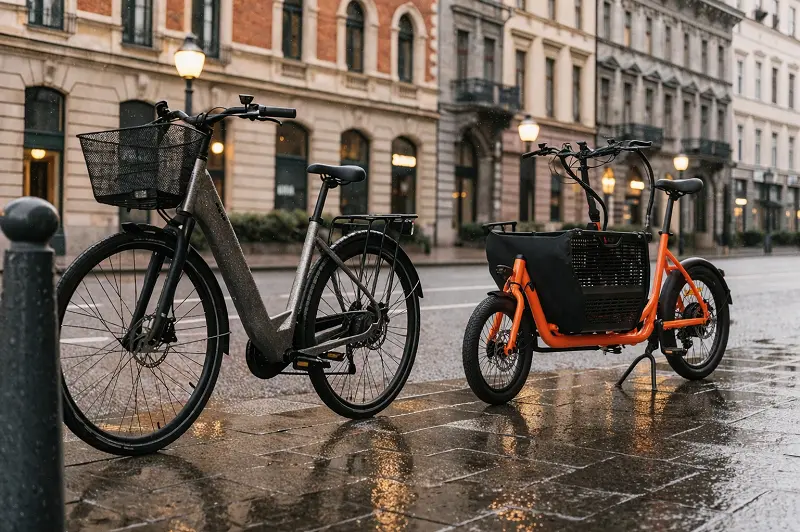
When we develop new product lines for our clients, we focus heavily on these winning categories. The needs of a city commuter are very different from those of a delivery driver, so understanding these segments is crucial for success.
Propulsion: Pedal-Assist vs. Speed-Pedelecs
Pedal-assist models are the bread and butter of the market, accounting for over 77% of sales. Their popularity comes from simple regulations and a natural riding feel. However, we're seeing strong interest in speed-pedelecs, which can reach 45 km/h. They are growing faster than any other category because they are perfect for longer commutes and delivery services. The main challenge is inconsistent regulations across different countries. Once rules for helmets and lane access are standardized, we expect this segment to boom. We are already engineering speed-pedelec platforms to meet this future demand for our OEM partners.
Application: City Commuters vs. Cargo Haulers
City and urban bikes are the clear leaders. They are perfect for trips under 10 km, especially in congested cities with high parking costs. But the most exciting growth is in cargo bikes. We're getting more and more OEM/ODM requests for cargo models designed for logistics companies and even for families. These bikes can carry up to 200 kg, making them a true car replacement for many. We've engineered frames specifically for these heavy payloads while staying within the 250W motor limit. This trend is shifting e-bikes from just leisure items to essential professional tools.
What Battery and Motor Technologies Dominate the European E-Bike Scene?
Confused by technical specs like battery types and motor placement? These details decide an e-bike's performance and cost. We'll explain what components are leading the market and why.
Lithium-ion batteries11 are nearly universal, holding almost 100% of the market share due to their energy density and falling costs. For motors, mid-drive systems are the preferred choice, capturing over 63% of the market because they offer better balance and hill-climbing torque.
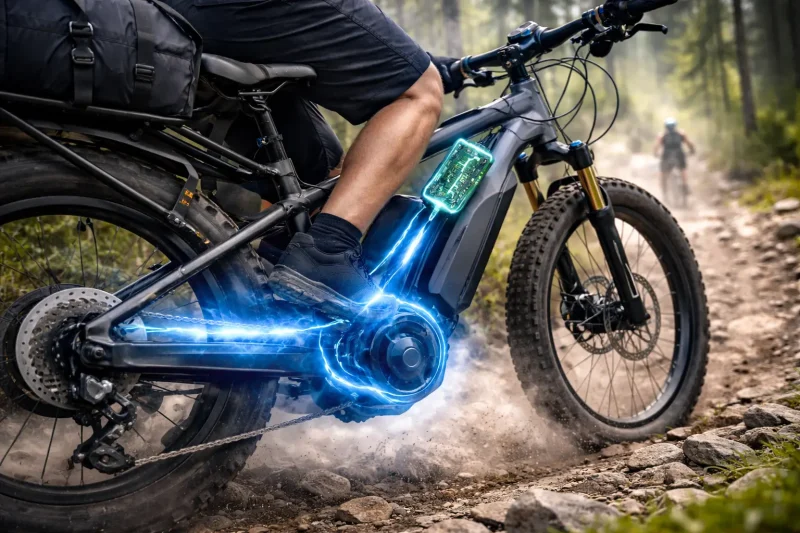
The technology inside an e-bike is just as important as its frame. As an experienced manufacturer, we have deep partnerships with component suppliers and can customize these core technologies to fit a brand's specific needs.
Battery Type: The Reign of Lithium-Ion
Lithium-ion batteries are everywhere. They hold 99.86% of the market, and for good reason. They pack a lot of power into a small, lightweight package. We rely on them to create bikes with long ranges and sleek designs. A big part of our work is developing better Battery Management Systems (BMS)12 to enhance safety and longevity. We also offer IoT-enabled batteries13 for shared bike fleets, which allow for remote tracking and diagnostics. While new battery tech is on the horizon, for now, all our focus is on optimizing lithium-ion technology for our clients' needs.
Motor Placement: Why Mid-Drive is Winning
Mid-drive motors are the top choice, especially for premium e-bikes. They are placed at the center of the bike frame, which creates a low center of gravity and a more stable, natural ride feel. This is crucial for handling, particularly on cargo bikes carrying heavy loads or mountain bikes on tricky trails. Mid-drives transfer power through the bike's gears, making them much more efficient on hills. Hub motors are still common on entry-level models because they are cheaper, but for the performance our clients demand, we almost always recommend and integrate mid-drive systems.
How Do Drivetrain, Power, and Price Affect E-Bike Choices in Europe?
Trying to find the right balance of features and price? It's tough navigating options like belt drives14 and motor wattage. We'll break down the sweet spots for the European market.
Chain drives15 are still standard, but low-maintenance belt drives are growing fast (5.54% CAGR). Most bikes use sub-250W motors16 to comply with EU law. The most popular price range is USD 1,500-2,499, balancing quality components with affordability for most consumers.
The choice between a chain and a belt drive often comes down to maintenance versus cost. Chains are familiar and easy to service, so they dominate the market. However, belt drives are gaining traction quickly, especially with commuters and fleet operators. They are clean, quiet, and can last for over 10,000 km without service. This low maintenance is a huge selling point for our commercial clients. While the upfront cost is higher, the total cost of ownership is often lower. For motor power, the 250W limit in the EU keeps that segment dominant. But we see growth in the 351-500W tier for speed-pedelecs and heavy cargo bikes where regulations allow.
Here's a quick look at these key segments:
| Feature | Leading Segment | Fastest Growing Segment |
|---|---|---|
| Drive System | Chain Drive (71.5%) | Belt Drive (5.54% CAGR) |
| Motor Power | Below 250W (46.6%) | 351-500W (4.97% CAGR) |
| Price Band | $1,500-$2,499 (30.8%) | $2,500-$3,499 (4.74% CAGR) |
Where Are People Buying E-Bikes and Who is Using Them?
Unsure where to sell your e-bikes or who your target customer is? The retail landscape is changing fast. We'll show you where sales are happening and who's buying.
Most e-bikes (68%) are still sold in physical stores, where customers can take test rides. However, online sales17 are growing much faster (6.66% CAGR). Personal and family use is the largest segment, but commercial delivery18 is the fastest-growing application.

Physical stores are still the king of e-bike sales. Customers want to see, touch, and ride a bike before spending thousands of dollars. As an OEM/ODM partner, we support our clients who sell through dealer networks by ensuring our bikes are easy to assemble and service. However, the future is clearly moving online. The direct-to-consumer (DTC) model is growing rapidly. We help e-commerce sellers by providing detailed product information, high-quality images, and even custom packaging for shipping. The key to online success is building trust and making the buying process smooth. In terms of use, while most bikes are for personal commuting and leisure, the commercial segment is exploding. Logistics companies are building huge fleets to navigate city centers, and this is where we see massive potential for customized, heavy-duty e-bikes. We are actively designing solutions for these demanding commercial applications.
Which European Countries and Companies Are Leading the E-Bike Market?
Trying to figure out which markets to enter? Competition is fierce and country-specific. We'll highlight the top countries and key players you need to know about.
Germany is the largest market, accounting for over 42% of European sales, driven by strong infrastructure and leasing schemes. Poland is the fastest-growing market. The competitive landscape is moderately fragmented, led by major players like Pon Holdings, Accell Group, and Giant.
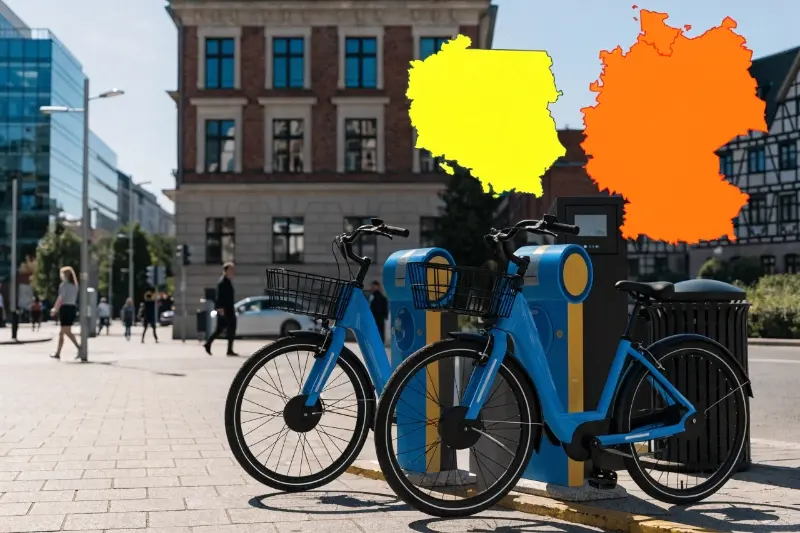
When we look at Europe, Germany is the powerhouse. Its combination of government incentives, corporate leasing2, and a culture of cycling makes it a massive market. We do a lot of business with brands targeting Germany. The Netherlands is another mature market, but the most impressive growth is coming from Poland, with a 7.03% CAGR. New government rebates and infrastructure projects are fueling rapid adoption there. As a manufacturer, this tells us to pay close attention to emerging markets in Eastern Europe. The competition is tough. Large groups like Pon Holdings (owner of Gazelle and Kalkhoff) and Accell Group are major forces. At the same time, specialists like Riese & Müller push innovation in the premium segment. To compete, we focus on our strengths: deep customization for OEM/ODM clients, in-house frame manufacturing for quality control, and competitive pricing. The 5-year extension of anti-dumping duties on Chinese e-bikes also helps regional manufacturers and their partners.
Conclusion
The European e-bike market is growing steadily, driven by urban mobility needs and commercial applications. Success depends on understanding key segments, from mid-drive city bikes to specialized cargo fleets.
Understanding the European e-bike market is crucial for identifying growth opportunities and competitive dynamics. ↩
Corporate leasing programs make e-bikes more accessible, driving market growth by reducing upfront costs for consumers. ↩
Last-mile delivery fleets are a key growth area, as they offer efficient urban logistics solutions, boosting e-bike demand. ↩
Mid-drive motor systems offer better balance and torque, making them a preferred choice for performance-oriented e-bikes. ↩
Government subsidies lower the cost barrier, encouraging more consumers to purchase e-bikes and supporting market expansion. ↩
High upfront costs can deter potential buyers, making it essential to explore financing options and subsidies. ↩
Inventory issues can disrupt supply chains and affect market stability, highlighting the need for efficient inventory management. ↩
Protected bike lanes enhance safety, encouraging more people to use e-bikes for commuting and reducing traffic congestion. ↩
City/urban e-bikes are ideal for daily commuting, offering convenience and efficiency in congested urban areas. ↩
Speed-pedelecs offer faster travel speeds, making them attractive for longer commutes and delivery services. ↩
Lithium-ion batteries provide high energy density and are lightweight, making them ideal for e-bike applications. ↩
BMS enhance battery safety and longevity, crucial for maintaining e-bike performance and reliability. ↩
IoT-enabled batteries allow for remote monitoring and diagnostics, improving fleet management and efficiency. ↩
Belt drives offer low maintenance and durability, appealing to commuters and fleet operators. ↩
Chain drives are familiar and easy to service, making them a popular choice for e-bike drivetrains. ↩
Sub-250W motors comply with EU regulations, making them a standard choice for e-bikes in Europe. ↩
Online sales are growing rapidly, offering convenience and expanding market reach for e-bike retailers. ↩
E-bikes offer efficient solutions for urban deliveries, driving growth in the commercial delivery segment. ↩