Are customer complaints about brake performance hurting your brand? It’s a common issue. You build a great e-bike, but inconsistent braking leads to costly support tickets and returns.
Hydraulic disc brakes1 solve this by offering consistent, powerful stopping with minimal maintenance. Their self-adjusting nature2 and sealed system3 mean fewer user complaints about poor performance, cable stretch, or weather-related issues, directly reducing your after-sales workload and protecting your brand's reputation.
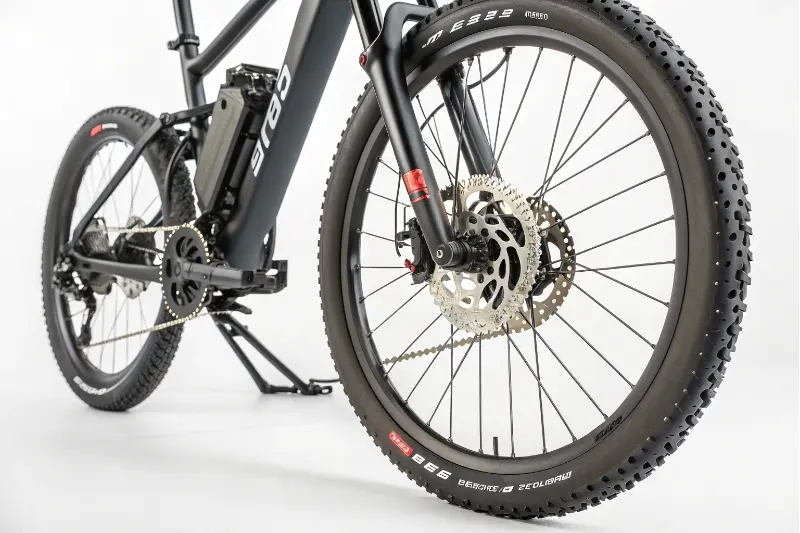 As an e-bike manufacturer, we've seen it all. Brands come to us frustrated with high rates of customer service calls. Many of these issues trace back to one component: the brakes. Choosing the right braking system isn't just a technical decision; it's a business decision that impacts your bottom line and customer loyalty. We've learned that upgrading to hydraulic brakes is one of the most effective ways to build a more reliable product line. This simple change can transform the customer experience and significantly cut down on the problems that end up back at your door. Let's explore why this is the case.
What makes hydraulic brakes more reliable than mechanical ones?
Struggling with brakes that fail in wet or muddy conditions? Mechanical brakes often lose their grip, leading to safety concerns and unhappy customers who feel their bike isn't dependable.
Hydraulic brakes use a sealed fluid system, which delivers consistent and powerful braking force regardless of the weather. This superior performance in harsh conditions, like rain or mud, makes them far more reliable and builds rider confidence in your product from day one.
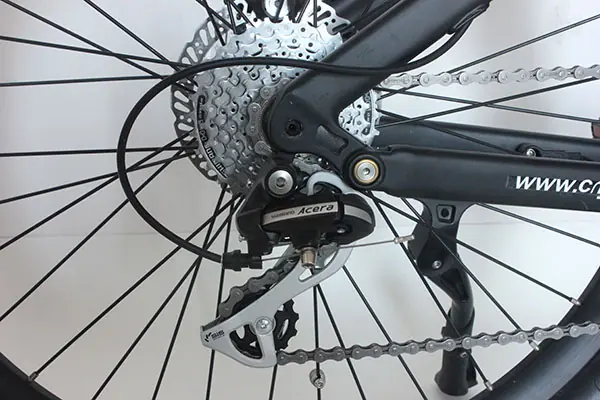 When we talk about reliability, we mean consistent performance4 every single time a rider pulls the brake lever. This is where hydraulic systems, which we often call "oil discs," truly shine. Unlike mechanical brakes that rely on a steel cable, a hydraulic system uses a small amount of special oil in a sealed line. When the rider squeezes the lever, this fluid pressure pushes the pistons in the caliper evenly against the rotor. This process is smooth and direct. It provides much better stopping power, especially on our cargo e-bikes5 that carry heavy loads.
I remember a client who was developing an e-bike for a city known for its rainy weather6. They initially used mechanical brakes to keep costs down, but soon faced a wave of complaints. Riders reported that the brakes felt weak and unresponsive in the rain. We switched their next production run to hydraulic brakes, and the problem vanished. The feedback changed from complaints to praise for the bike's safety and control. This is the difference a reliable system makes.
When we talk about reliability, we mean consistent performance4 every single time a rider pulls the brake lever. This is where hydraulic systems, which we often call "oil discs," truly shine. Unlike mechanical brakes that rely on a steel cable, a hydraulic system uses a small amount of special oil in a sealed line. When the rider squeezes the lever, this fluid pressure pushes the pistons in the caliper evenly against the rotor. This process is smooth and direct. It provides much better stopping power, especially on our cargo e-bikes5 that carry heavy loads.
I remember a client who was developing an e-bike for a city known for its rainy weather6. They initially used mechanical brakes to keep costs down, but soon faced a wave of complaints. Riders reported that the brakes felt weak and unresponsive in the rain. We switched their next production run to hydraulic brakes, and the problem vanished. The feedback changed from complaints to praise for the bike's safety and control. This is the difference a reliable system makes.
Key Differences in System Design
| Feature | Mechanical Disc Brakes | Hydraulic Disc Brakes |
|---|---|---|
| Actuation | Steel Cable | Hydraulic Fluid |
| Weather Impact | High (cables can rust/freeze) | Low (sealed system3) |
| Power | Moderate and can be inconsistent | High and very consistent |
| Wear on Rims | None | None |
This fundamental design difference means a hydraulic brake is a "set and forget" system for the user, which translates to a "sell and forget" advantage for your business. You deliver a bike that just works, day in and day out.
How do hydraulic brakes lower maintenance needs for end-users?
Are you tired of hearing from customers that their brakes "don't stop like they used to"? This often comes from brake pad wear7, which requires frequent, tedious adjustments on mechanical systems.
Hydraulic brakes are self-adjusting. As the brake pads wear down, the caliper's pistons automatically move forward to compensate. This keeps the brake lever travel consistent and eliminates the need for manual cable adjustments, drastically reducing maintenance and user complaints about "loose brakes".
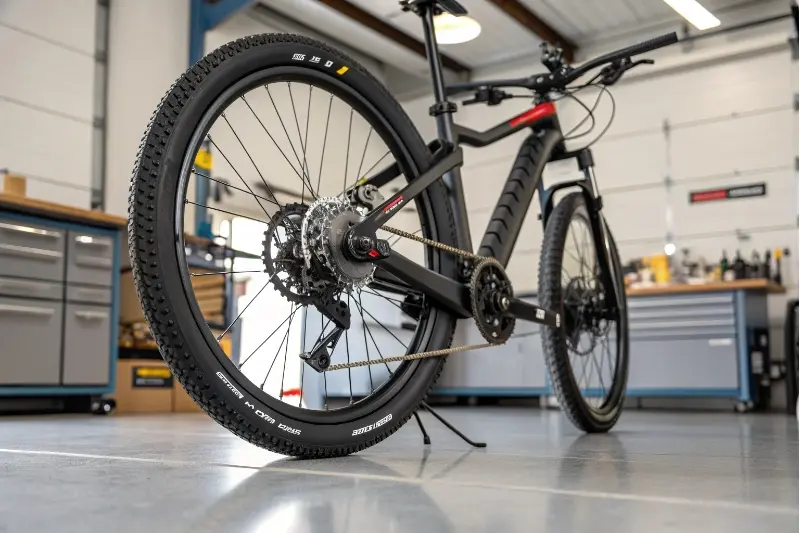 The biggest source of after-sales issues8 for mechanical brakes is the constant need for adjustment. As the pads wear, the cable effectively becomes "longer," meaning the rider has to pull the lever further to get the same stopping power. If a customer doesn't know how to adjust the cable tension, they will complain that the brakes are broken. This is a huge, but avoidable, headache.
Hydraulic systems completely solve this. The pistons automatically advance as the pads wear, so the distance the lever needs to travel remains the same throughout the life of the pads. The only maintenance needed is an eventual pad replacement, a much simpler task. Furthermore, the sealed system3 protects against the most common failures of mechanical brakes.
The biggest source of after-sales issues8 for mechanical brakes is the constant need for adjustment. As the pads wear, the cable effectively becomes "longer," meaning the rider has to pull the lever further to get the same stopping power. If a customer doesn't know how to adjust the cable tension, they will complain that the brakes are broken. This is a huge, but avoidable, headache.
Hydraulic systems completely solve this. The pistons automatically advance as the pads wear, so the distance the lever needs to travel remains the same throughout the life of the pads. The only maintenance needed is an eventual pad replacement, a much simpler task. Furthermore, the sealed system3 protects against the most common failures of mechanical brakes.
Long-Term Durability Factors
- Cable Contamination: Mechanical brake cables are exposed. Over time, water and dirt get inside the housing, causing rust and friction. This makes the brake lever feel stiff and gritty. After six months of use, performance can drop noticeably.
- Sealed System Integrity: Hydraulic hoses are completely sealed. This prevents contamination from water, mud, or dust. The fluid doesn't degrade from environmental exposure, ensuring the system feels smooth and responsive for years.
This durability means the e-bike you sell will perform as well on day 500 as it did on day one, which is crucial for building a brand known for quality and longevity. It reduces the "total cost of ownership9" for the customer and the support cost for you.
Are hydraulic brakes a better match for high-power electric bikes10?
Worried that standard brakes can't handle the speed and weight of modern e-bikes? Equipping a powerful e-bike with weak brakes is a recipe for safety incidents and negative reviews. Yes, absolutely. High-power motors, like the 500W and 750W units we often use, require superior stopping power. Hydraulic brakes offer the necessary force and heat dissipation11 to safely manage higher speeds and heavier frames, making them the standard choice for performance-oriented e-bikes.
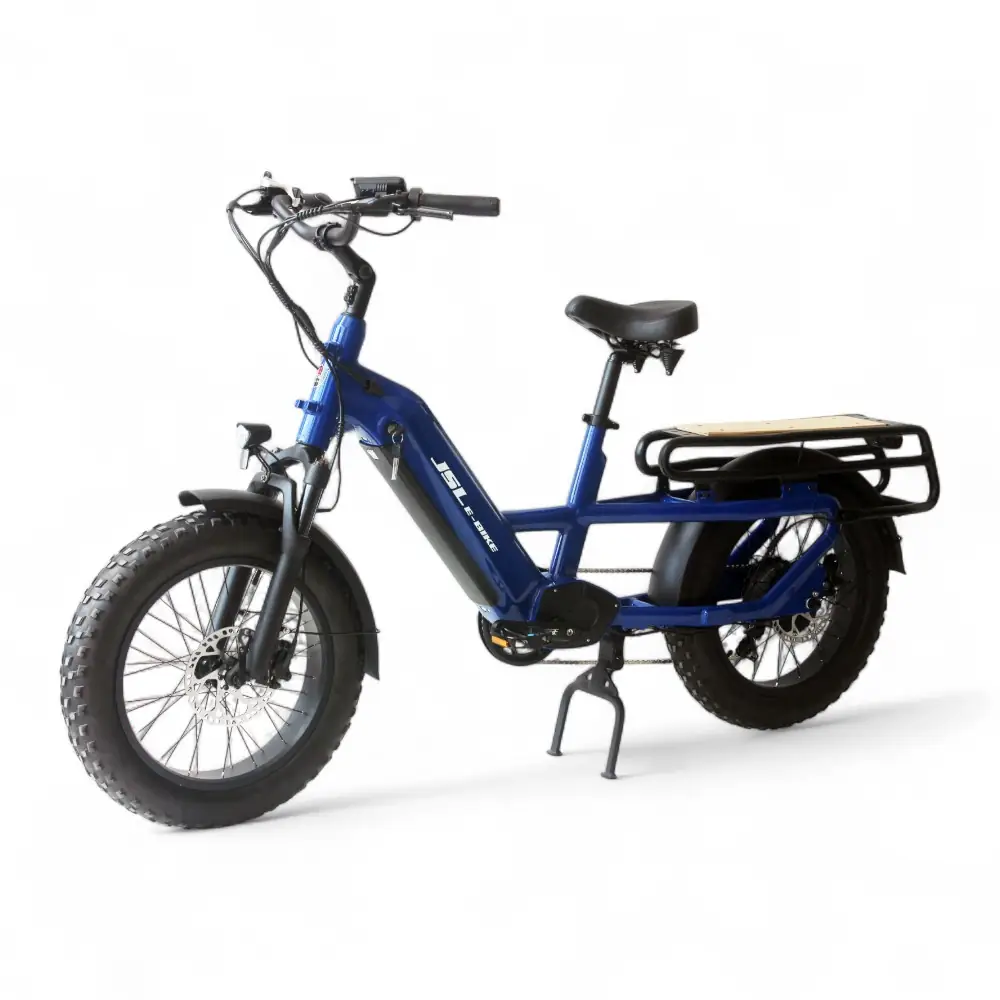 An e-bike isn't just a bicycle with a motor; it's a heavier, faster vehicle. This is especially true for models with powerful 500W or 750W motors, or for utility models like cargo and fat-tire e-bikes. All that extra mass and speed generate a lot more kinetic energy, and all of that energy has to be converted into heat by the brakes to slow the bike down. Mechanical disc brakes can struggle under this load. They can overheat, leading to a phenomenon known as "brake fade12," where their stopping power decreases dramatically during prolonged use, like on a long downhill.
Hydraulic brakes are engineered to handle these greater forces. They typically use larger rotors and more robust calipers that dissipate heat more effectively. The hydraulic fluid itself also helps manage heat. This means they provide consistent, fade-free stopping power, even when bringing a heavy e-bike to a halt from high speed. For any e-bike designed to be fast, powerful, or carry a load, hydraulic brakes are not just an upgrade; they are a critical safety feature. Equipping your e-bikes with them shows your customers that you prioritize their safety above all else.
An e-bike isn't just a bicycle with a motor; it's a heavier, faster vehicle. This is especially true for models with powerful 500W or 750W motors, or for utility models like cargo and fat-tire e-bikes. All that extra mass and speed generate a lot more kinetic energy, and all of that energy has to be converted into heat by the brakes to slow the bike down. Mechanical disc brakes can struggle under this load. They can overheat, leading to a phenomenon known as "brake fade12," where their stopping power decreases dramatically during prolonged use, like on a long downhill.
Hydraulic brakes are engineered to handle these greater forces. They typically use larger rotors and more robust calipers that dissipate heat more effectively. The hydraulic fluid itself also helps manage heat. This means they provide consistent, fade-free stopping power, even when bringing a heavy e-bike to a halt from high speed. For any e-bike designed to be fast, powerful, or carry a load, hydraulic brakes are not just an upgrade; they are a critical safety feature. Equipping your e-bikes with them shows your customers that you prioritize their safety above all else.Why is the braking feel a better customer experience with hydraulic systems?
Do your customers describe their brakes as "spongy," "stiff," or "unpredictable"? A poor braking feel can make an otherwise excellent e-bike feel cheap and unreliable to the rider. Hydraulic systems provide a smooth, linear, and highly responsive braking feel. The force at the lever directly translates to stopping power at the wheel without the friction or slack of a cable. This consistent, premium feel enhances rider confidence and satisfaction with your product.
The "feel" of the brakes is one of the first things a customer notices on a test ride. It’s a direct connection between the rider and the bike's safety system. Mechanical brakes, due to cable friction and stretch, can often feel vague. The pull can be inconsistent, especially in wet weather when water gets into the cable housing. This creates a disconnect for the rider and reduces their confidence in the bike's ability to stop quickly. In contrast, a hydraulic system offers what we call a "linear" response. The relationship between how hard you pull the lever and how much the bike slows down is perfectly consistent. It allows for much finer control, or "modulation13," over braking power. A light pull gently slows the bike, while a firm pull brings it to a quick, controlled stop. This tactile feedback is a premium feature14 that customers can immediately feel. It makes the e-bike feel more refined, more responsive, and ultimately, safer. This superior user experience leads to better reviews and a stronger brand perception15 in the market.
Conclusion
Choosing hydraulic brakes reduces after-sales issues8 by providing reliable, low-maintenance performance. This builds customer trust16 and protects your brand, making it a smart investment for any serious e-bike business.
Hydraulic disc brakes offer consistent, powerful stopping with minimal maintenance, enhancing e-bike performance and reducing customer complaints. ↩
Self-adjusting brakes reduce maintenance needs, keeping performance consistent and minimizing user complaints about brake issues. ↩
A sealed system prevents contamination, ensuring reliable performance in all weather conditions, which is crucial for customer satisfaction. ↩
Consistent performance builds rider confidence and reduces after-sales issues, making hydraulic brakes a valuable upgrade for e-bikes. ↩
Cargo e-bikes carry heavy loads, requiring reliable stopping power that hydraulic brakes provide, enhancing safety and performance. ↩
Hydraulic brakes maintain performance in wet conditions, preventing safety concerns and improving customer satisfaction. ↩
Hydraulic brakes automatically adjust for pad wear, reducing maintenance and ensuring consistent braking performance. ↩
By providing reliable performance, hydraulic brakes minimize customer complaints and support costs, protecting brand reputation. ↩
Hydraulic brakes reduce maintenance costs and improve longevity, lowering the total cost of ownership for e-bike users. ↩
Hydraulic brakes handle the speed and weight of high-power e-bikes, providing necessary stopping power and safety. ↩
Effective heat dissipation prevents brake fade, ensuring consistent stopping power and safety for e-bike riders. ↩
Brake fade reduces stopping power during prolonged use, but hydraulic brakes dissipate heat effectively, maintaining performance. ↩
Modulation allows for finer control over braking power, improving safety and user experience on e-bikes. ↩
Hydraulic brakes offer superior feel and performance, enhancing the perceived quality and value of e-bikes. ↩
Superior braking systems improve user experience, leading to better reviews and a stronger brand image in the competitive e-bike market. ↩
Reliable and low-maintenance brakes enhance customer satisfaction, building trust and loyalty towards the e-bike brand. ↩