Struggling to choose between step-through and step-over e-bike frames? This decision impacts your market appeal. I'll show you how to pick the right frame for your customers.
Choosing between a step-through and a step-over frame1 is a strategic market decision. Step-throughs are great for urban commuting and accessibility. Step-overs target performance and off-road riders. Your choice defines your customer profile, use case, and regional appeal.
I've seen this question come up a lot with my OEM clients. They often ask if we can make a low-step or high-step version of a bike. It seems like a small detail, but it's a huge part of the product's identity. In my 20+ years in this industry, I've learned that this choice goes way beyond just a single tube on the frame. It's about who you're selling to and how they'll use the bike. Let's break down what truly separates these two designs and why it matters so much for your business.
What's the Real Difference Between Step-Through and Step-Over Frames?
Think a single bar is all that separates e-bike frames? This simple view can cost you. I'll explain the key design, performance, and user experience differences right now.
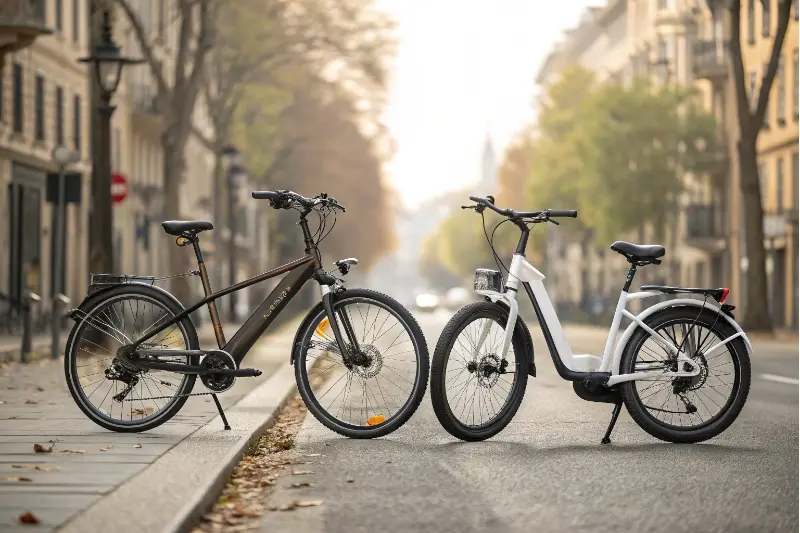
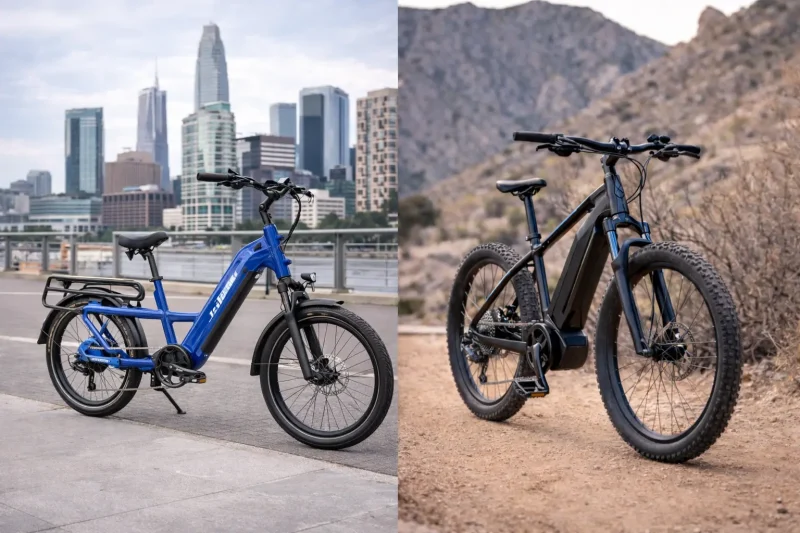
A step-through frame2 has no top tube, making it easy to mount and dismount with a lower center of gravity. A step-over frame uses a classic triangle structure for better rigidity and a sportier feel, ideal for mountain or performance e-bikes.
Recently, I've had more clients approach me with their own designs for step-through frames. This shows a clear shift in market demand for certain segments. The difference isn't just aesthetic; it's deeply functional. The frame structure dictates how the bike feels, handles, and who it appeals to. It’s the foundation of the entire product.
The Step-Through (Low-Step) Advantage
The main feature of a step-through frame is the absence of a high top tube. This makes getting on and off the bike incredibly easy, which is a major selling point for commuters, older riders, or anyone with limited mobility. The design also creates a lower center of gravity. This makes the bike feel more stable and balanced, especially at low speeds in city traffic. This is why many food delivery bikes now use this design; riders need to get on and off constantly and quickly.
The Step-Over (High-Step) Identity
A step-over frame has the traditional triangular design that most people associate with a standard bicycle. This structure is inherently strong and rigid. The triangle distributes forces effectively, making it ideal for absorbing the stress of rough terrain. This is why you almost always see this frame on mountain e-bikes and performance models. It offers better handling at high speeds and gives the rider a more aggressive, forward-leaning posture. It looks sportier and more athletic, which appeals to a different kind of customer.
| Feature | Step-Through Frame | Step-Over Frame |
|---|---|---|
| Structure | Open, low-step design | Classic triangle with high top tube |
| Accessibility | Very easy to mount and dismount | Requires lifting a leg over the bar |
| Center of Gravity | Lower, providing more stability | Higher, for more dynamic handling |
| Best For | City commuting, delivery, casual riding | Mountain biking, performance, sport |
| User Profile | Urbanites, seniors, delivery riders | Enthusiasts, off-road adventurers |
How Do Regional Markets Influence Your E-Bike Frame Choice?
Are you ignoring regional tastes in your e-bike designs? This is a risky move that could sink your launch. I'll show you which markets prefer which frame style.
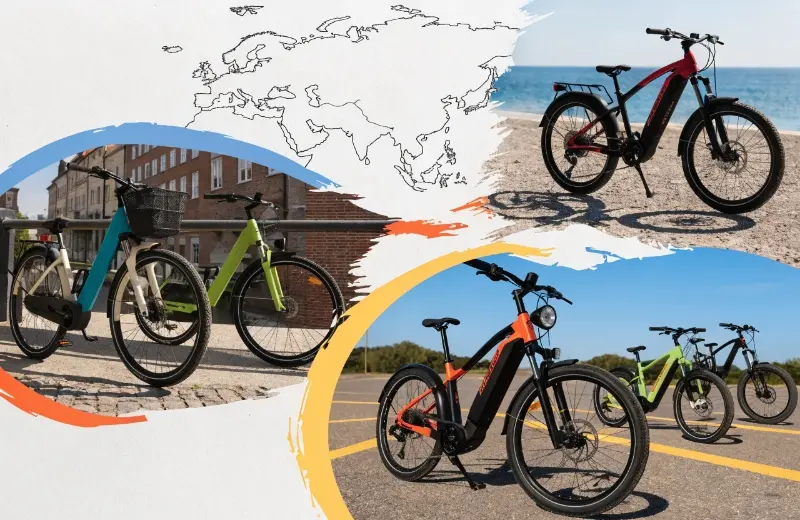
European markets like Germany and the Netherlands strongly prefer step-through frames for urban comfort and accessibility. In contrast, North and South American markets still favor step-over frames, especially for mountain e-bikes and models that emphasize a sporty, rugged image.
I can't stress this enough: an e-bike frame is not just a piece of metal. It's a direct reflection of market strategy. The right frame choice is a combination of your target user, their typical use case, cultural preferences, and your sales channel strategy. I've seen firsthand how a design that sells out in Germany can sit on shelves in Brazil. Understanding these differences is crucial for any international brand, importer, or wholesaler looking to succeed. It's about knowing your customer before you even build the product.
Europe's Focus on Comfort and Accessibility
In markets like Germany, the Netherlands, and Scandinavia, the step-through frame is king, especially in the city e-bike category. The demand there is driven by several factors. There's an aging population that values safety and ease of use. Commuting by bike is a daily activity, not just a weekend hobby. Urban riders want comfort and practicality over aggressive sportiness. They want to ride in regular clothes without any hassle. As a result, the market for comfortable, accessible, and safe urban e-bikes is booming, and the step-through frame is the perfect fit.
The Americas' and Middle East's Performance Preference
In North and South America, the market dynamics are different. There's a strong outdoor and sports culture. Customers often associate cycling with adventure and fitness. Because of this, the step-over frame remains dominant, especially for popular categories like mountain e-bikes and fat tire e-bikes. The design's ruggedness and sporty look align with this market's expectations. Male riders are a large part of this segment, and they often prefer the traditional bike aesthetic. However, we are seeing a steady increase in demand for urban commuting models, which is opening up more opportunities for step-through designs in these regions too.
| Region | Primary Preference | Key Drivers |
|---|---|---|
| Germany, Netherlands | Step-Through | Aging population, urban commuting, comfort |
| Nordic Countries | Step-Through | Focus on practicality and safety |
| North America | Step-Over | Sports culture, mountain biking, performance |
| South America | Step-Over | Strong outdoor culture, athletic image |
| Middle East | Step-Over | Preference for rugged, high-performance models |
Which Frame Type Best Suits Your Target Use Case?
Are your e-bike frames perfectly matched to how they'll be used? A mismatch can confuse buyers and hurt your brand. Let's connect frame types to real-world applications.
For urban commuting, cargo, and delivery services, the step-through frame is the top choice due to its convenience. For outdoor adventures, performance riding, and mountain biking, the rigid and durable step-over frame is almost always the better option for buyers.

When you are deciding on your product line, you need to think about your end customer's daily life. How will they use this e-bike? Is it for a quick trip to the grocery store, a daily 10-mile commute to the office, or a weekend adventure on a mountain trail? The answer to this question should directly inform your choice between a step-through and a step-over frame. Aligning the frame with the primary use case makes the bike more functional and your marketing message much clearer.
The Urban and Commercial Champion: Step-Through
If your target market is city dwellers, commuters, or commercial delivery services, the step-through frame is your best bet. Think about a delivery rider who makes 50 stops a day. The ease of getting on and off the bike saves time and energy. For cargo e-bikes, a low frame makes it easier to manage heavy loads and maintain balance. For the average urban commuter, it's simply more convenient and comfortable for stop-and-go traffic. It’s the practical choice for everyday tasks.
The Adventure and Sport Leader: Step-Over
If you are building a brand around performance, outdoor exploration, or off-road capability, you must go with a step-over frame. The structural integrity of the triangle design is non-negotiable for handling the bumps, jumps, and stresses of trail riding. Customers looking for a mountain e-bike or a high-speed fat tire e-bike expect this frame. It signals durability, performance, and a serious riding experience. Choosing a step-through for this category would instantly undermine your product's credibility with serious enthusiasts.
For rental and shared mobility businesses, the strategy is often mixed. These companies need to cater to a broad range of users with different skill levels and preferences. Because of this, you'll often see fleets that include both step-through and step-over models. The step-throughs appeal to casual tourists and new riders, while the step-overs attract more experienced cyclists who might want to explore more challenging routes. Offering both types maximizes your potential customer base.
| Use Case | Recommended Frame | Why? |
|---|---|---|
| Urban Commuting | Step-Through | Easy mounting, comfortable riding posture |
| Cargo & Delivery | Step-Through | Stability with loads, frequent stops |
| Outdoor & Trail Riding | Step-Over | Frame strength, better handling on rough terrain |
| Performance/Sport | Step-Over | Rigidity, aggressive riding posture |
| Rental & Sharing | Both | Caters to diverse user skill and comfort levels |
Conclusion
So, choosing a frame is about more than design. It's a key strategic decision that defines your market. Make the right choice to connect with your ideal customer.