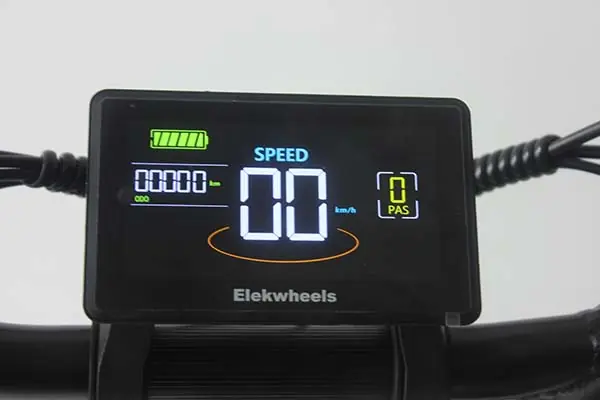
Your e-bike display feels basic, only showing speed and battery. This means you're missing out on features that could completely change your ride. Smart displays1 are now the central brain of your e-bike.
A smart display is the future of your e-bike because it has evolved from a simple screen into a complete control hub2. It integrates Bluetooth for app control3, IoT for fleet management4, and Over-the-Air updates5, making e-bikes smarter, more secure, and easier to manage for everyone.
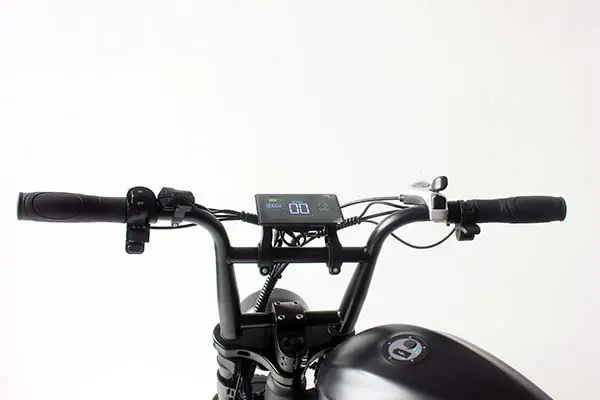 This shift isn't just about cool new gadgets. It's about how these smart systems are fundamentally changing the way we ride, manage, and even think about our electric bikes. This technology has become so important in my work as an OEM/ODM manufacturer. Let's break down what this evolution really means for you and your business.
How are smart displays redefining the e-bike experience?
Your old e-bike display was probably an afterthought. Now, a basic screen makes a bike feel outdated. Smart displays have become the command center for the entire e-bike, offering a new level of interaction.
Smart displays are redefining the e-bike experience by becoming a central hub. They manage the bike's control logic, connect to your phone for navigation and security6, and provide valuable data, moving far beyond just showing your speed and battery level.
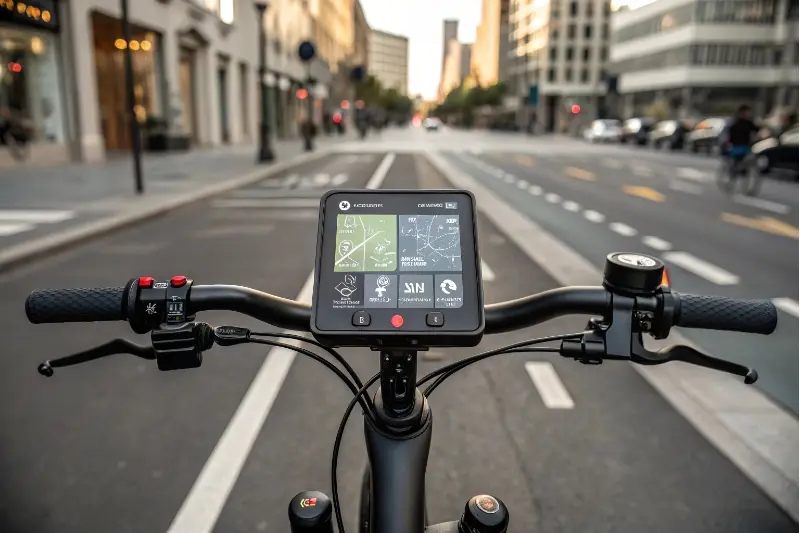 When I started in this industry, a display was just that—a display. It showed you how fast you were going and how much battery you had left. But the market, especially in Europe, has pushed for more. Big players like Bosch and Shimano7 turned their displays into smart platforms. This changed everything. Now, a display is the bike's brain. It handles all the control logic. It connects to your phone with an app. You can get navigation, lock your bike remotely, and track your rides. For a business owner, this is even more powerful. I have clients who manage entire fleets of delivery bikes. They use the smart system to see where every bike is and how its battery is doing. It’s a huge leap from the simple screens of the past.
 |
Feature | Traditional Display | Smart Display System |
|---|---|---|---|
| Primary Function | Show basic data (speed, battery) | Central control hub | |
| Connectivity | None | Bluetooth, App, IoT | |
| Key Features | Assist level change | Navigation, Anti-theft, Remote lock | |
| User Interaction | Push buttons on the unit | App control, Custom UI | |
| Business Use | Basic monitoring | Fleet management, Data analysis |
What key technologies make e-bike displays so smart?
You hear terms like IoT and OTA, but what do they really mean for an e-bike? Without understanding them, you can't choose the right tech for your brand. Let's break down the core technologies.
The key technologies are Bluetooth/app connectivity for data sync and control, Over-the-Air (OTA) updates for remote software upgrades, and IoT integration. IoT is crucial for fleet management, enabling remote tracking, battery monitoring, and anti-theft features for businesses.
 These technologies are the building blocks of a modern e-bike. First, there's Bluetooth and app connectivity8. This is the most direct link between the rider and the bike. It allows for data syncing, so riders can track their trips. It also allows us, as manufacturers, to help clients analyze user behavior. For example, a delivery company can see which routes are most efficient. Second, we have Over-the-Air (OTA) updates. This is a game-changer for maintenance. In the past, a software bug meant the bike had to be sent back to a service center. This is very expensive, especially with high labor costs in Europe. Now, we can push a software update remotely. The bike fixes itself. Finally, there's IoT integration. This is essential for any business managing a fleet. We've seen a huge increase in demand from clients in tourist rentals, food delivery, and corporate bike programs. IoT allows them to see each bike's location in real-time, monitor battery health, track usage frequency, and remotely lock a bike if it's stolen.
How do smart displays create a competitive edge in different markets?
The e-bike market is crowded and many products look the same. How can your brand stand out when the motor and frame are just like everyone else's? The answer is in the software and user experience.
Smart displays create a competitive edge by offering software-based differentiation. As hardware like motors becomes standardized, a unique user interface (UI), intuitive app experience, and market-specific features9 become powerful selling points that align with modern consumer habits.
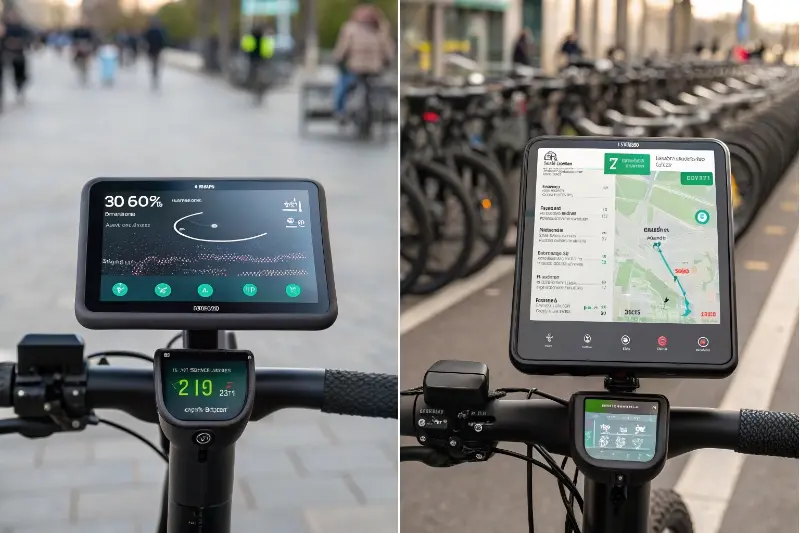 For years, the competition was all about hardware. Who had the most powerful motor? Who had the longest-range battery? Now, those components are becoming very similar across brands. The new battleground is software. The smart display is the face of that software. A well-designed User Interface (UI)10 and a smooth app experience can make a brand feel premium. It’s also about meeting the specific needs of different customers. People are used to their smartphones. They expect that same level of digital interaction with their e-bike. I work with clients from all over the world, and their needs are very different. A commuter in Europe cares most about navigation and ride data. A leisure rider in North America might want a large, simple screen that’s easy to read. A logistics manager needs deep data on remote monitoring and battery health. A bike-sharing company needs a robust IoT and locking system above all else. By customizing the smart display system, we can give each of these clients a product that feels tailor-made for their market. This is how brands win today.
 |
Market Segment | Primary Need | Key Smart Display Feature |
|---|---|---|---|
| European Commuters | Efficient travel & data | Turn-by-turn navigation, fitness tracking | |
| North American Leisure | Simplicity & ease of use | Large, bright screen with a simple UI | |
| Logistics & Delivery | Fleet efficiency & security | Remote GPS tracking, battery management | |
| Bike-Sharing Fleets | Management & control | IoT integration, remote lock11ing/unlocking |
Conclusion
Smart displays are no longer just screens. They are the intelligent core of the modern e-bike, using advanced tech to create real value and help brands stand out in a crowded market.
Smart displays transform e-bikes into intelligent machines, offering enhanced control and connectivity, making them essential for modern riders. ↩
A control hub centralizes all e-bike functions, offering a streamlined and efficient riding experience with enhanced features. ↩
Bluetooth connectivity allows seamless interaction between your e-bike and smartphone, enhancing navigation, security, and user experience. ↩
IoT integration enables real-time tracking and management of e-bike fleets, crucial for businesses in logistics and rentals. ↩
OTA updates allow remote software upgrades, ensuring your e-bike stays up-to-date without the need for physical service visits. ↩
Smart displays provide advanced navigation and security features, making your rides safer and more efficient. ↩
Bosch and Shimano are pioneers in smart e-bike displays, setting industry standards with their innovative technologies. ↩
This connectivity offers real-time data sync and control, enhancing the overall riding experience and functionality of e-bikes. ↩
Tailoring features to specific markets ensures that e-bikes meet the unique needs of different user segments, enhancing satisfaction. ↩
A well-designed UI improves user interaction, making e-bikes more intuitive and enjoyable to use. ↩
Remote lock enhances e-bike security, allowing you to lock and unlock your bike from a distance, protecting it from theft. ↩