Choosing an e-bike can be confusing with all the technical terms. Picking the wrong sensor means a jerky ride or overpaying for features, but understanding them is key to a perfect ride.
The main difference is how they activate the motor. A torque sensor1 measures your pedaling force2 for a natural feel3. A cadence sensor4 detects pedal rotation for a simpler boost. A speed sensor5 monitors wheel speed, mainly to limit top speed for safety and legal compliance6.
Now that you have the basics, let's really get into the details of how these systems work and what they mean for you. As a manufacturer, I've seen how a single component can completely change a bike's character. The sensor you choose will define how your e-bike feels on every single ride.
What Makes a Torque Sensor Feel So Natural?
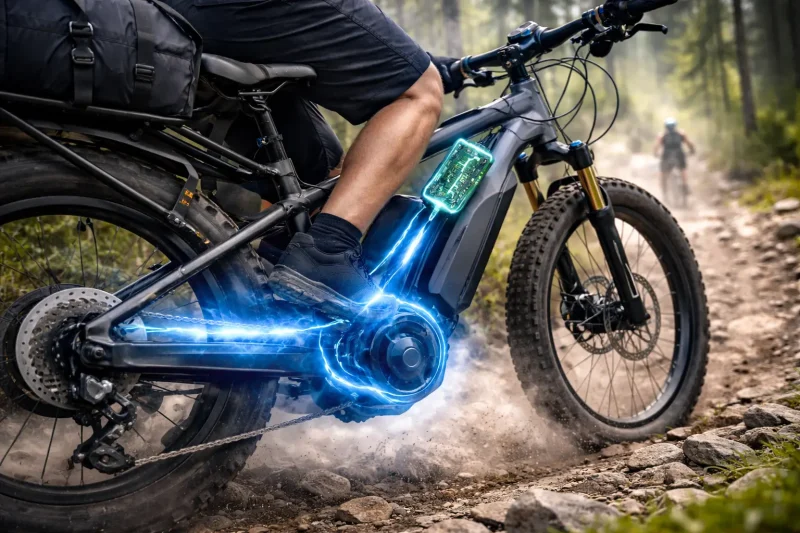
Have you ever ridden an e-bike that feels like it has a mind of its own? The motor kicks in when you don't want it, making you feel out of control. A torque sensor solves this by matching the motor's power to your effort. A torque sensor measures how hard you're pressing on the pedals. It tells the motor to give you more help when you pedal harder and less help when you go easier. This creates a smooth, intuitive ride7 that feels just like a traditional bicycle, but with an invisible, helpful push.
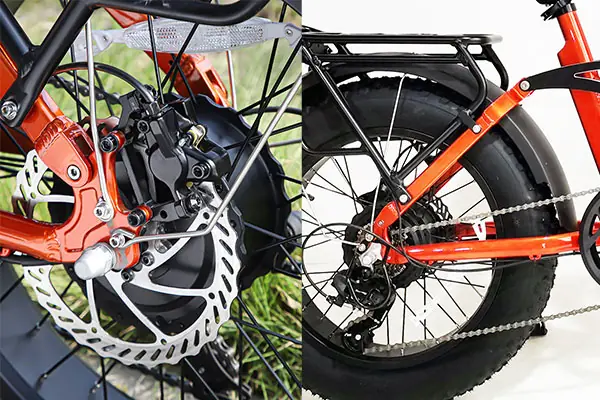
A torque sensor is the gold standard for a reason. It works by using a precision strain gauge8, usually in the bottom bracket where the pedal cranks connect. When you push on the pedals, you create a tiny, invisible flex in the metal. The sensor measures this flex and translates it into an exact power output for the motor. This is why it feels so intuitive; it's a direct extension of your own power. If you push twice as hard to get up a hill, the motor gives you twice as much help. This 1:1 relationship is crucial for riders who want precise control, which is why we see torque sensors on nearly all high-end mountain and city e-bikes9, especially in the European market where a traditional cycling feel is highly valued. The technology is more complex and expensive, but for a seamless riding experience, many riders find it's worth every penny.
| Torque Sensor Characteristics | Description |
|---|---|
| Riding Feel | Smooth, intuitive, and natural. Amplifies rider's effort. |
| Control | Excellent. Allows for precise power modulation. |
| Best Use Case | Mountain biking, performance road riding, hilly commutes. |
| Cost | Highest among the sensor types. |
| Market | Predominantly premium e-bikes, popular in Europe. |
Why Are Cadence Sensors So Popular on Entry-Level E-Bikes?
You want the benefits of an e-bike without the high price tag. But you worry a cheaper option will feel clunky and unresponsive. Cadence sensors offer a simple, cost-effective way to get a powerful boost, making e-bikes more accessible for everyone. A cadence sensor works like an on/off switch. It detects that the pedals are turning and tells the motor to provide a set level of assistance based on your chosen setting. It's simple, reliable, and more affordable, which is why it's common on many North American and entry-level e-bikes10.
The cadence sensor's operation is straightforward. A sensor is mounted on the bike's frame, and a corresponding disc with several magnets is attached to the crank arm. As you pedal, the magnets pass the sensor, telling the controller that you are pedaling. The motor then kicks in to the power level you've selected on your display. It doesn't care how hard you pedal, only if you are pedaling. I remember testing an early model from another factory with this system. I was at a red light in assist level 4. When the light turned green, I pushed the pedal, and the bike just launched forward! I almost collided with a turning car. This "all-or-nothing" feeling can be a shock if the controller isn't tuned well. However, for many people, this system is perfect. It allows for relaxed cruising where you just need to keep the pedals turning gently to get full power. It’s also great for riders with knee or joint issues11 who can't apply a lot of force. This simplicity and low cost are why we use it in many of our entry-level models, especially for the North American market.
| Cadence Sensor Characteristics | Description |
|---|---|
| Riding Feel | More like an on/off switch. Can feel "jerky" or "surging." |
| Control | Basic. Power is tied to assist level, not rider effort. |
| Best Use Case | Flat-terrain commuting, leisure riding, budget-conscious buyers. |
| Cost | Most affordable sensor option. |
| Market | Common in entry-level and North American e-bikes. |
Is a Speed Sensor a Primary Control System?
E-bike laws and safety regulations can be confusing. You might worry about accidentally going too fast or owning a bike that isn't compliant in your region. Speed sensors provide a simple and reliable way to regulate your e-bike's top speed, ensuring safety and legality12. No, a speed sensor is not usually the main control system for pedal assist. Instead, it works alongside a torque or cadence sensor. Its main job is to measure your wheel speed and cut off motor assistance once you reach a preset limit, like 25 km/h in Europe or 20 mph in the US.
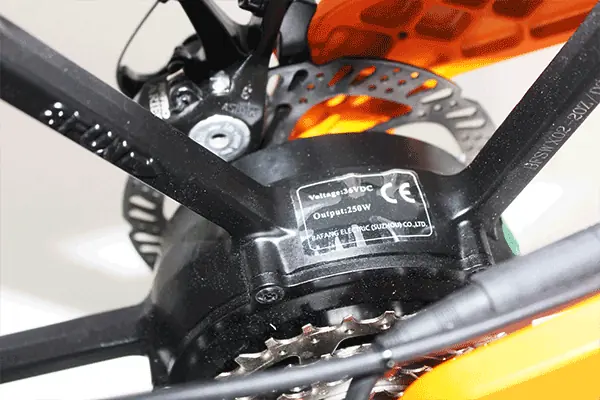
Think of the speed sensor as a governor, not an accelerator. Its primary role is safety and legal compliance. For instance, in Europe, e-bikes must stop providing motor assistance when the speed exceeds 25 km/h. A speed sensor mounted on the wheel is the perfect tool for this job. It constantly monitors the wheel's rotation speed and tells the controller to smoothly cut power as you approach the legal limit. This is a critical feature for any manufacturer like us who exports to markets with strict regulations. While its main job is to limit speed, it also serves other functions. It provides the data for the speedometer on your display, and some advanced systems use it to refine the power delivery from a cadence sensor, preventing the motor from engaging abruptly if you're already moving at a decent pace. It’s important to understand that an e-bike doesn't use a speed sensor instead of a torque or cadence sensor; it uses it in addition to one of them.
| Sensor Role Comparison | Torque Sensor | Cadence Sensor | Speed Sensor |
|---|---|---|---|
| Primary Function | Measures pedaling force | Detects pedal rotation | Measures wheel speed |
| Determines Assist? | Yes, based on effort | Yes, based on rotation | No, it limits assist |
| Standalone? | Yes (with a speed sensor) | Yes (with a speed sensor) | No, it's auxiliary |
Conclusion
Torque sensors offer a natural ride, cadence sensors provide simple power, and speed sensors ensure safety and compliance. The right choice depends on your budget, riding style, and local laws.
Explore how torque sensors provide a natural and intuitive riding experience by matching motor power to your pedaling effort. ↩
Discover how measuring pedaling force with sensors can enhance the riding experience by providing precise motor assistance. ↩
Find out how torque sensors create a smooth and intuitive ride by amplifying the rider's effort seamlessly. ↩
Learn about the cost-effective and simple operation of cadence sensors, ideal for entry-level e-bikes and relaxed cruising. ↩
Understand how speed sensors ensure safety and legal compliance by regulating the e-bike's top speed. ↩
Learn how speed sensors help e-bikes adhere to regional speed regulations, ensuring safe and lawful riding. ↩
Discover how different sensors work together to provide a seamless riding experience by modulating motor assistance. ↩
Explore the technology behind torque sensors that use precision strain gauges to measure pedal force accurately. ↩
Learn why torque sensors are favored in premium e-bikes for their ability to offer precise control and a traditional cycling feel. ↩
Understand the benefits of cadence sensors in making e-bikes more accessible and affordable for budget-conscious buyers. ↩
Find out how cadence sensors offer a gentle and consistent power boost, ideal for riders with physical limitations. ↩
Understand the critical role of speed sensors in maintaining safe riding speeds and complying with legal standards. ↩