Your business relies on efficiency, but your e-bikes feel underpowered. This hurts performance and customer satisfaction. The solution lies in a more powerful and reliable system.
A 48V system1 is more popular because it delivers higher power, greater torque for hills and heavy loads, and better overall efficiency. This results in longer range, extended component life, and lower operating costs, making it ideal for demanding commercial applications like delivery and shared fleets.
In my 20-plus years of manufacturing electric bikes, I've seen technology evolve firsthand. We started in 1999, and back then, the demands were simpler. Today, with the boom in e-commerce and shared mobility, our clients need e-bikes that are true workhorses. They need power, reliability, and efficiency. That's why the conversation has shifted decisively from 36V to 48V systems. In fact, about 95% of the e-bikes we produce for our OEM/ODM partners now use a 48V system. It's not just a trend; it's a necessary upgrade for any business that wants to stay competitive. Let's break down exactly why this is the case.
Why is a 48V System the Ideal Choice for Business Electric Bikes?
Your delivery fleet struggles with slow speeds on hills and with heavy loads. This inefficiency costs you money and time. A 48V system provides the necessary power boost.
A 48V system1 is ideal for businesses because it offers superior power and torque. This allows e-bikes to handle heavy cargo and steep inclines effortlessly, improving delivery efficiency, reducing trip times, and minimizing component failure under stress.
For any business that uses e-bikes, especially in logistics and delivery, performance is not a luxury; it's a core requirement. A 48V system provides the raw power needed to turn an e-bike into a reliable commercial vehicle.
Enhanced Power and Torque
Think about a delivery rider with a full cargo load facing a steep hill. With a 36V system, the motor might struggle, forcing the rider to work much harder or even get off and push. This is not only inefficient but also increases the risk of motor burnout. A 48V system delivers more power and higher torque. This means the bike can accelerate faster from a stop, maintain speed under heavy loads, and conquer hills without straining the motor. This translates directly to faster delivery times and more completed jobs per day. It’s a simple equation: more power leads to better productivity.
Improved Operational Efficiency2
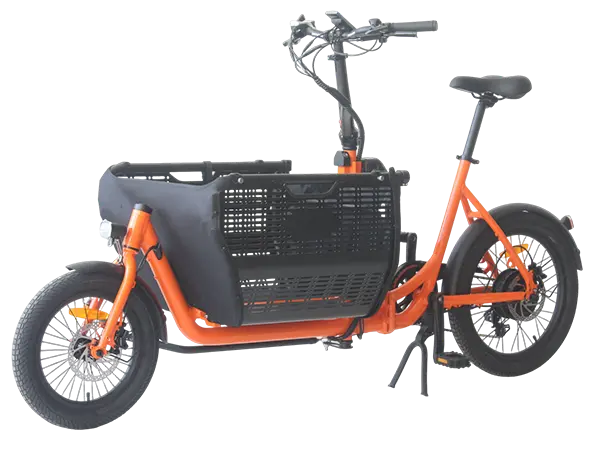
I remember a client who managed a food delivery fleet in a very hilly city. They were constantly replacing motors on their 36V bikes, and their riders were frustrated. We helped them transition to a fleet of our custom-designed 48V cargo e-bikes. The feedback was immediate. Riders reported that their routes felt easier and faster. More importantly, the company saw a sharp drop in maintenance requests and bike downtime. By providing the right tool for the job, they improved rider satisfaction and made their entire operation more efficient and profitable. For businesses, this is the bottom line.
How Does a 48V Battery System Improve E-Bike Range and Reduce Business Costs?
Constantly swapping or recharging batteries cuts into your fleet's uptime. This operational inefficiency eats into your profits. A more efficient system can significantly reduce these costs.
A 48V system improves range by operating more efficiently. It draws less current for the same power output, which reduces energy lost as heat. This means more of the battery's energy goes to the wheel, increasing range by 15-20% and lowering charging frequency.

For a shared e-bike operator or a delivery service, an e-bike that isn't moving is an e-bike that's losing money. The key to maximizing uptime is to extend the range and reduce the time spent charging. This is where the technical advantages of a 48V system create a real financial benefit.
The Science of Efficiency
The magic is in the physics. The amount of energy lost as heat in an electrical system is related to the square of the current (P = I²R). A 48V system needs less current than a 36V system to produce the same amount of power (Power = Voltage x Current). Because the current is lower, the energy wasted as heat is significantly less. This means the system runs cooler and is much more efficient. An efficient system directs more of the battery’s stored energy to the motor, pushing the bike forward instead of just warming up the components. This single factor is why a 48V e-bike can often go 15-20% farther on a single charge compared to a 36V bike with the same size battery.
Translating Range into Profit
What does a 15-20% increase in range mean for a business? For a shared e-bike company, it means fewer battery swaps per day. That reduces labor costs for the swap team and the fuel for their service vehicles. For a delivery fleet, it means a bike can complete a full shift without needing a mid-day recharge, maximizing the number of deliveries. It simplifies operations and directly boosts profitability.
Understanding Battery Capacity
It's also helpful to look at the total energy a battery holds, measured in Watt-hours (Wh)3. A 48V 15Ah battery holds more energy (720Wh) than a 36V 15Ah battery (540Wh). Combined with higher efficiency, the 48V system provides a powerful one-two punch of more stored energy and less energy waste. Here is a simple comparison:
| Feature | 36V System | 48V System | Advantage |
|---|---|---|---|
| Power Output | Lower | Higher | 48V |
| Torque | Standard | Higher | 48V |
| Current Draw (for same power) | Higher | Lower | 48V |
| Heat Loss | Higher | Lower | 48V |
| Efficiency | Lower | Higher | 48V |
| Component Stress | Higher | Lower | 48V |
| Typical Use Case | Casual Commuting | Commercial, Performance |
How Does a 48V System Reduce Maintenance Costs and Improve E-Bike Reliability?
Frequent breakdowns and component replacements are a nightmare for any fleet manager. This downtime is expensive and unreliable. A more robust system can protect your investment.
A 48V system reduces maintenance by putting less stress on key components. Lower current draw means less heat and wear on the motor, controller, and battery. This extends their lifespan, improves overall reliability, and significantly cuts down on costly repairs and downtime.
An e-bike's purchase price is only part of its total cost. The long-term costs of maintenance, repairs, and downtime can quickly add up, especially for a commercial fleet that operates under demanding conditions. A 48V system is inherently more reliable because it is kinder to all the electronic components.
Reducing Component Stress
Think of electrical current as water flowing through a pipe. A high current is like a firehose, putting a lot of pressure on the pipe and its connections. A lower current is a gentler flow that accomplishes the same task with less force. Since a 48V system uses less current, it puts less stress on the entire electrical pathway. The motor runs cooler, which protects its internal windings and magnets from damage. The controller, the electronic brain of the e-bike, is less likely to overheat, which is a primary cause of failure for its sensitive transistors. Even the battery benefits, as drawing lower current helps preserve the health of the battery cells, leading to a longer overall lifespan with more charge cycles.
A Real-World Case Study
We have a long-term partner who runs a large-scale shared e-bike program in Europe. Their initial fleet used 36V systems, and they were plagued with reliability issues, especially during the hot summer months. The bikes were in constant, high-intensity use, and the components were failing. We worked with them to design a new model built around a robust 48V system. The results were dramatic. After deploying the new fleet, they reported a 30% reduction in overall system failures. More impressively, they estimated that the lifespan of their motors and controllers increased by about 25%. This didn't just save them money on replacement parts; it transformed their operational reliability and improved their brand's reputation with riders.
Conclusion
In summary, adopting a 48V system is a strategic business decision. It boosts performance, increases efficiency, and enhances reliability, delivering a superior return on investment for any commercial e-bike fleet.
Explore how a 48V system enhances e-bike performance, efficiency, and reliability, making it ideal for commercial applications. ↩
Explore how a 48V system streamlines operations and boosts productivity for e-bike fleets. ↩
Discover how Watt-hours measure battery capacity and impact e-bike performance and range. ↩