Choosing the right frame material for your e-bike line is a critical decision. Get it wrong, and you could face issues with weight, durability, and cost that hurt your brand.
For bulk orders, aluminum alloy is often the superior choice for most consumer e-bikes due to its light weight, rust resistance1, and design flexibility2. However, steel remains an excellent option for heavy-duty applications3 like cargo bikes or for budget-focused models4 due to its incredible strength and lower cost.
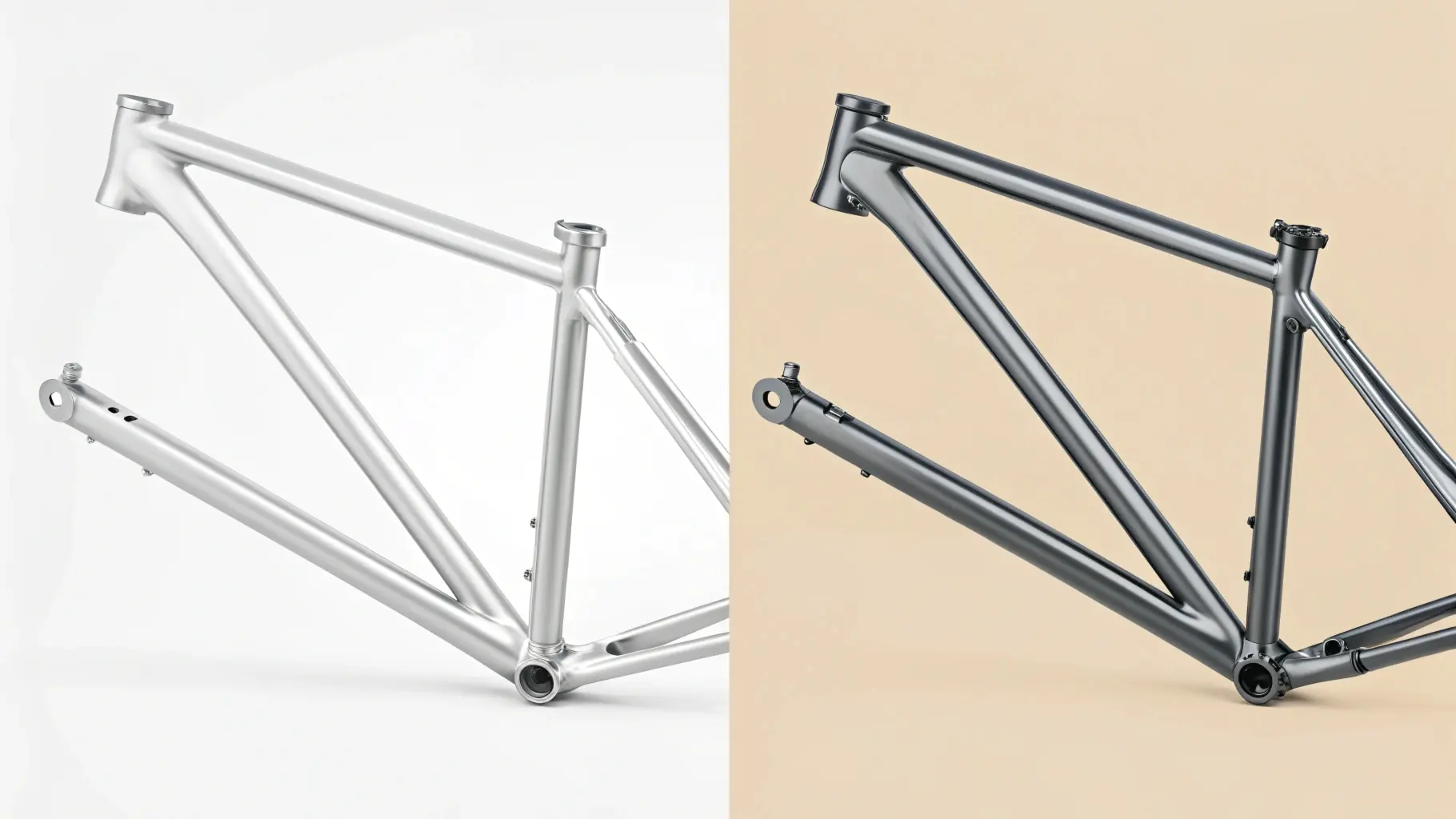
The frame is the skeleton of any electric bike. It has to support the rider, bear the stress from the motor and battery, and hold all the components together. As a manufacturer with our own frame factory5, we work with these materials every single day. The choice between aluminum and steel isn't just about price; it's about the kind of riding experience you want to offer your customers and the brand identity you want to build. But the differences go much deeper than just weight and cost. Let's look at what really matters for your brand and your customers.
Is a Steel Frame Still a Good Choice for Modern E-bikes?
You might see steel as an old-fashioned, heavy material for bikes. But overlooking it means you could miss out on a cost-effective, ultra-durable option for specific e-bike models like cargo or utility bikes. Yes, a steel frame is still an excellent choice for specific applications, especially for heavy-duty cargo and delivery e-bikes. Its high strength and durability are perfect for carrying heavy loads. Plus, its lower manufacturing cost makes it ideal for budget-conscious projects or for building rugged, no-frills e-bikes.
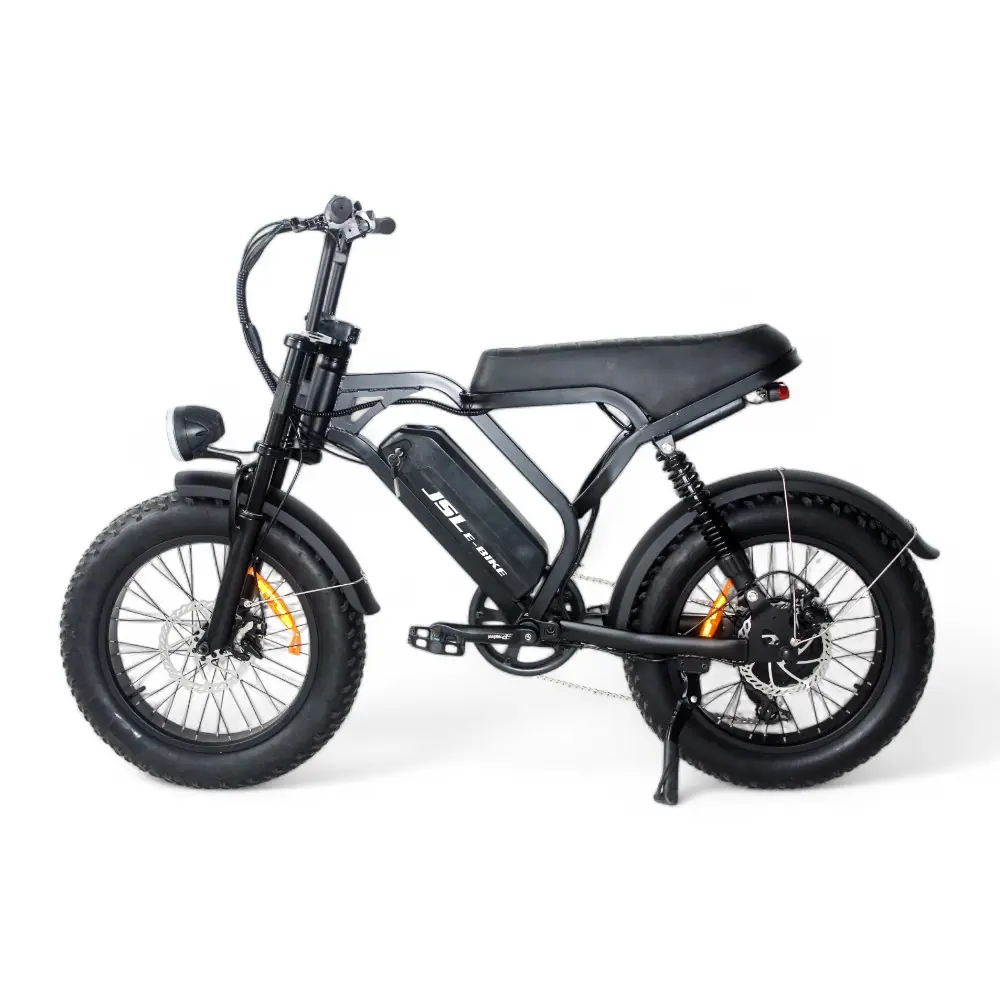
At our factory, we know that steel has some very clear advantages. Its greatest asset is its strength. Steel frames are incredibly strong and resilient, which makes them the perfect foundation for e-bikes designed to take a beating, like cargo e-bikes or food delivery models that are used all day, every day. The welding process6 for steel is also very mature and straightforward. This simplifies the manufacturing process7 and helps keep production costs down, which is a major benefit when you're placing a large order. However, there are downsides. The main one is weight. An electric bike is already heavier than a regular bike because of the motor and battery. A steel frame adds even more weight, which can make the bike feel sluggish and harder for the rider to handle, especially when carrying it up stairs. Steel is also prone to rust if the paint gets scratched. While we use high-quality coatings to protect our frames, it's still a long-term maintenance concern for the end-user.
| Feature | Steel Frame |
|---|---|
| Strength | Very High |
| Weight | Heavy |
| Corrosion Resistance | Low (can rust if scratched) |
| Manufacturing Cost | Low |
| Ideal Use Case | Cargo, Heavy-Duty, Budget Models |
Why is Aluminum the Go-to Choice for Most E-Bike Brands?
Your customers probably want a light, modern, and stylish e-bike. A heavy steel frame can make the bike feel slow and look dated, which might turn potential buyers away. Aluminum alloy is the top choice because it gives the best balance of weight, strength, and corrosion resistance. This creates a lighter, more agile e-bike that is easier to handle. It also has a premium, rust-free finish that customers love and expect from a modern e-bike.
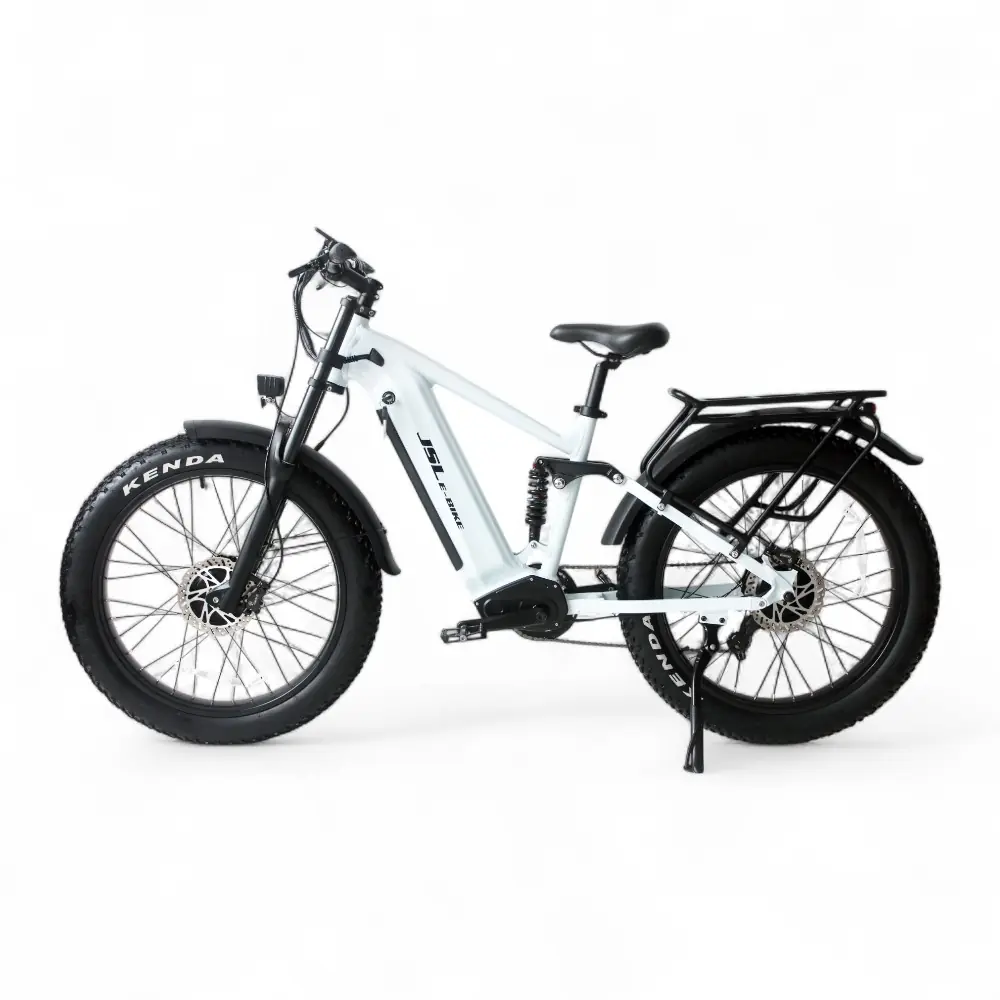
We produce more aluminum alloy frames than any other material, and there's a good reason for that. The biggest benefit is the weight reduction. As e-bike manufacturers, we know that every pound matters. A lighter frame makes the entire e-bike feel more responsive and nimble. It accelerates faster and is much easier for the rider to manage, whether they are lifting it onto a bike rack or navigating busy city streets.
Another huge advantage is that aluminum does not rust. This is a massive selling point. It means the bike will look great for years to come, even in wet or humid climates, without the owner having to worry about paint chips leading to corrosion. This durability and lasting aesthetic appeal are things that customers really value. While it may not be quite as strong as steel in extreme impact situations, modern aluminum alloys are more than strong enough for nearly all riding styles, from mountain e-bikes to city commuters. This combination of being lightweight, strong, and rust-proof is why most mid-to-high-end brands choose aluminum.
| Feature | Aluminum Alloy Frame |
|---|---|
| Strength | High |
| Weight | Lightweight |
| Corrosion Resistance | Very High (does not rust) |
| Manufacturing Cost | Medium |
| Ideal Use Case | City, Mountain, Fat Tire, Premium Models |
How Does Material Choice Affect E-Bike Design and Manufacturing?
You want a unique e-bike design8 that makes your brand stand out. But material limitations can sometimes force you into using generic, boring frame shapes that look just like everyone else's. Your material choice directly impacts design freedom. Steel is easy to weld into traditional, round tube shapes. Aluminum, on the other hand, is much more flexible. It can be shaped into complex and unique forms, allowing for greater brand differentiation and innovative designs that integrate batteries seamlessly.
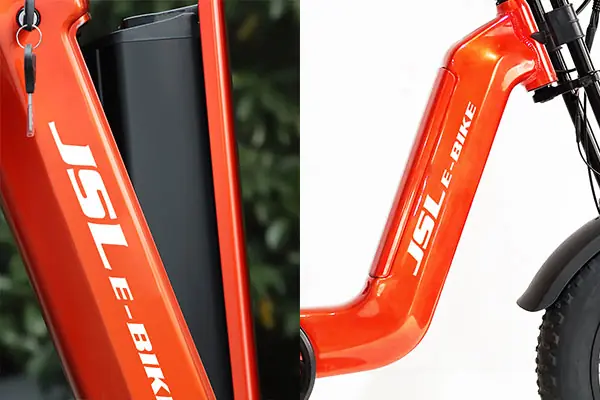
This is where working with an OEM/ODM partner with an in-house frame factory really pays off. With steel, the design possibilities are more traditional. The tubes are cut and welded together, which is a reliable and cost-effective process, but it generally limits you to classic frame geometries.
Aluminum is where we can get really creative for our partners. Because aluminum is more malleable, we can use advanced processes like hydroforming9. This technique uses high-pressure fluid to shape the aluminum tubes from the inside out. It allows us to create complex, custom tube profiles that are impossible to achieve with steel. We can make a tube thicker and stronger where it needs to handle stress, and sleeker and more aerodynamic elsewhere. This means we can build a frame that is uniquely yours, with a visual identity that sets your brand apart. The welding process for aluminum is more complex and requires specialized equipment and skilled technicians to ensure the welds are both strong and clean. This is why having an experienced manufacturing partner is so important.
| Material | Design Flexibility | Manufacturing Process |
|---|---|---|
| Steel | Limited to standard tube shapes | Simple, mature welding |
| Aluminum | High (hydroforming, complex shapes) | Complex, specialized welding |
What's the Real Cost Difference Between Steel and Aluminum for an OEM Order?
You need to manage your budget carefully for a large e-bike order. But choosing a material based on raw cost alone can lead to a product that doesn't meet your market's expectations. On a per-pound basis, steel is cheaper than aluminum. But the final cost difference on a finished frame is smaller than you might think. This is because aluminum frames, while requiring more complex manufacturing, also use less material due to their lower density.
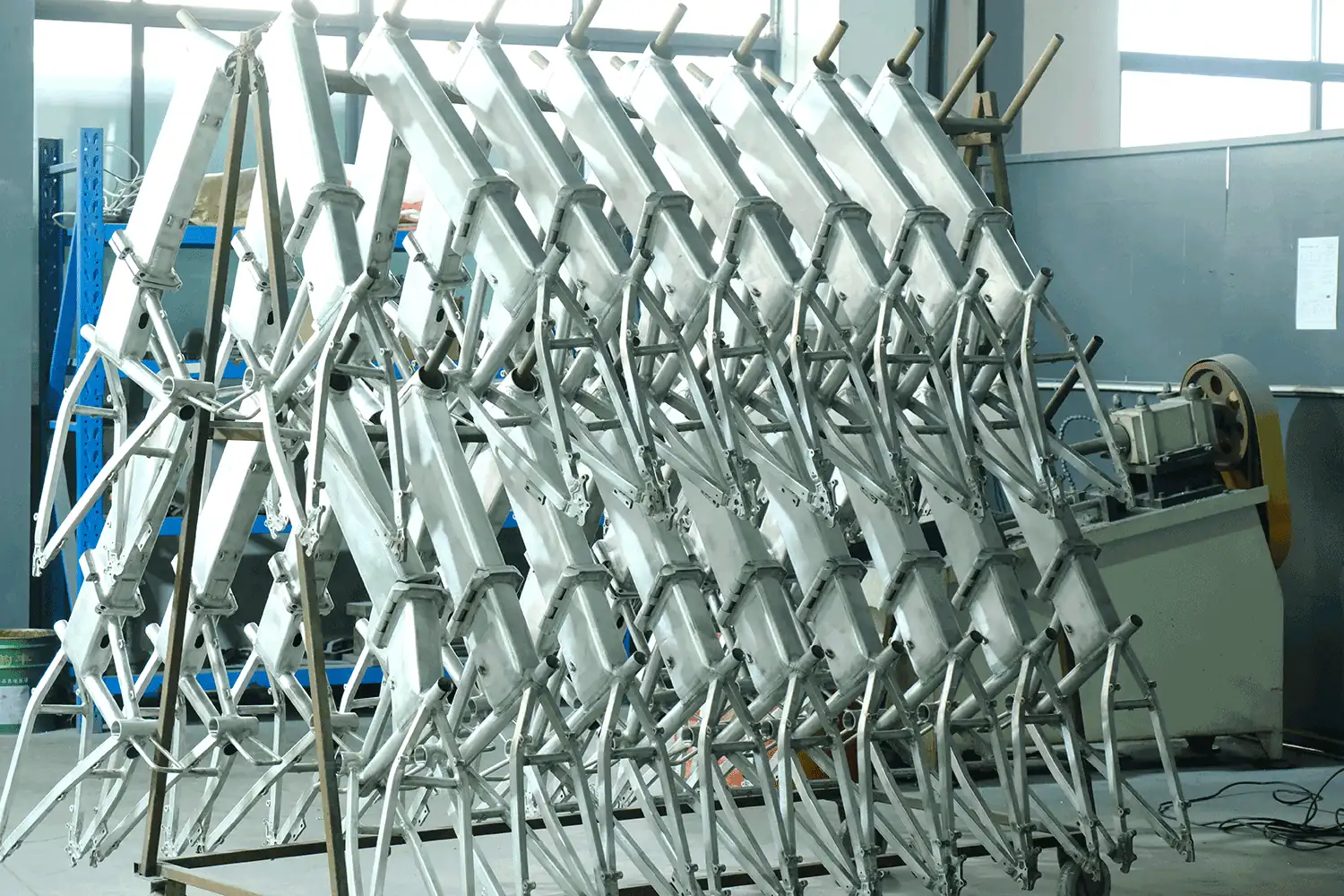
When you're planning a bulk order, it's important to look at the total picture, not just the price of the raw material.
Raw Material vs. Final Product Cost
Steel is less expensive per kilogram. However, because steel is much denser than aluminum, a steel frame of the same size and strength will be significantly heavier. An aluminum frame uses less material by weight, which helps offset some of the higher raw material cost.
Manufacturing and Labor
Manufacturing a steel frame is generally cheaper. The welding techniques are simple and fast. Aluminum requires more specialized machinery and more highly skilled labor for welding and forming, which adds to the production cost.
Market Value and ROI
This is the most important factor. The slightly higher cost of an aluminum frame is often a smart investment. Customers in the mid-range and premium markets now expect lightweight frames. An aluminum frame gives the e-bike a higher perceived value, which can justify a higher retail price and lead to better sales. For many of our clients, the small extra cost for aluminum delivers a much better return on investment10 by meeting customer demand for quality and performance.
Conclusion
For bulk orders, aluminum offers a modern, lightweight advantage that most customers prefer, while steel provides unbeatable strength for budget or heavy-duty cargo models. The best choice depends on your brand's goals.
Explore the significance of rust resistance in frame materials, ensuring aesthetic appeal and longevity. ↩
Discover how material choice affects design possibilities, allowing for unique and innovative e-bike shapes. ↩
Find out which materials excel in heavy-duty scenarios, ensuring safety and performance for cargo bikes. ↩
Learn how to select cost-effective e-bike options without compromising on quality and performance. ↩
Explore how owning a frame factory enhances control over design, quality, and production efficiency, crucial for competitive e-bike manufacturing. ↩
Understand the welding techniques used for each material, crucial for frame strength and integrity. ↩
Learn about the manufacturing techniques for each material, impacting production efficiency and costs. ↩
Understand the relationship between material selection and e-bike design, impacting aesthetics and functionality. ↩
Learn about hydroforming, a technique that allows for innovative and complex frame designs. ↩
Learn how frame material impacts ROI, helping manufacturers make informed decisions for profitability. ↩