You want to start an e-bike business, but you feel overwhelmed by the choices. You worry that a low price means bad quality, but you also do not want to overpay. China produces about 90% of the electric bikes in the world today. However, not all factories are the same. There are three main production regions: Jiangsu/Zhejiang, Tianjin, and Guangdong. The location of the factory decides the labor cost, the product quality, and the durability of your bikes.
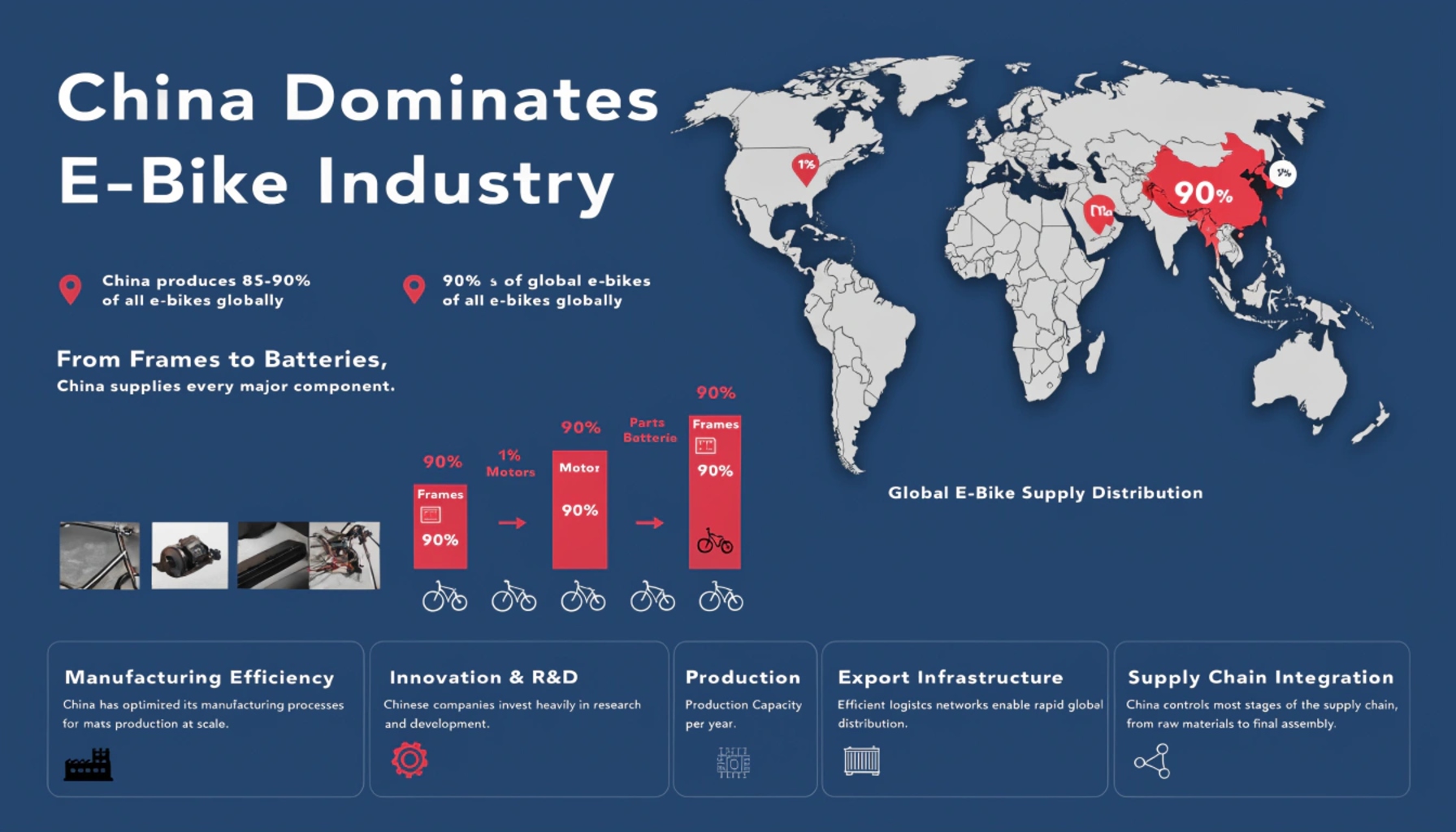
Many importers think that "Made in China" means the same thing everywhere. This is a big mistake. Our factory have been in this industry for over 20 years. We have seen clients lose money because they chose the wrong region for their business model. The geography of the factory changes everything. It changes the price. It changes how the bike looks. It changes how long the bike lasts. I will break down these three regions for you. This will help you make the right choice.
Is the Jiangsu and Zhejiang Region the Best Choice for Premium Brands?
You want to build a high-end brand with unique designs and reliable performance. You need a partner who listens to your specific needs and does not cut corners. The Jiangsu and Zhejiang (Jiangzhe) region is the center for mid-to-high-end electric bikes. Factories here focus on deep customization and high-quality craftsmanship1. The labor cost is higher, but the workers are more skilled, which results in better durability and customer service.
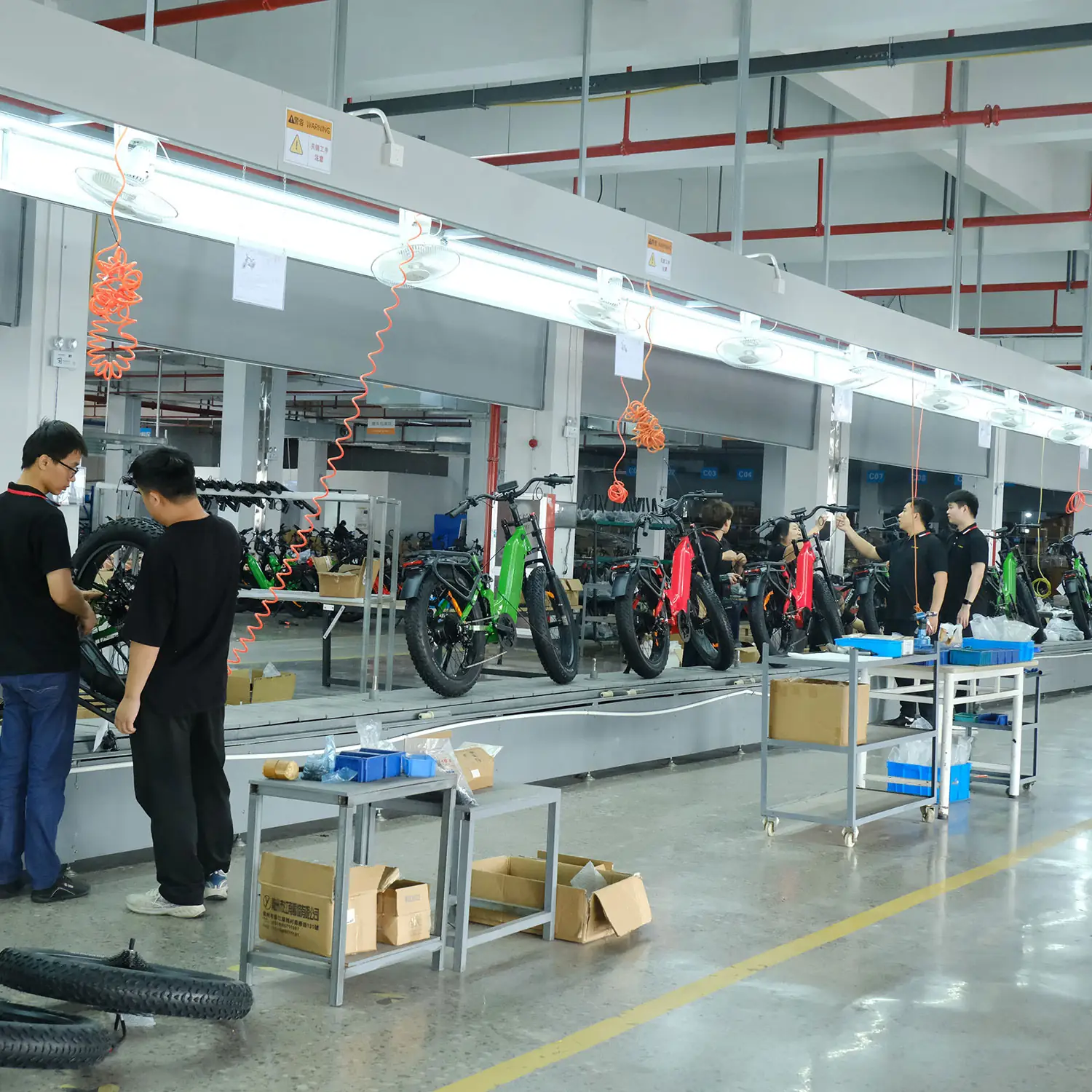
Our factory in Jinghua, which is right in the heart of this region. I can tell you from personal experience why this area is different. The focus here is on "OEM/ODM services2." This means we do not just assemble parts. We design them. We build the frames in-house. We test the suspension. The workers in Jiangsu and Zhejiang are not just temporary labor. They are skilled technicians. In my factory, many workers have been with us for ten years. They know how to weld an aluminum alloy frame perfectly. They know how to route the cables inside the frame so they do not rattle. This skill costs money. The labor cost in this region is higher than in the north of China. However, you get what you pay for. If you want to sell Mountain E-Bikes or Fat Tire E-Bikes in Europe or North America, you need this quality. Your customers will complain if the paint scratches easily or if the motor stops working after a month. In this region, the supply chain3 is built for quality. We have access to better motors (like Bafang) and better battery cells4 (like Samsung or LG). Here is a simple breakdown of what you get in the Jiangzhe region:
| Feature | Jiangzhe Region Standard | Why it Matters |
|---|---|---|
| Frame Material | High-grade Aluminum Alloy | Lighter and rust-proof. |
| Worker Skill | High (Long-term employees) | Fewer mistakes in assembly. |
| Customization | Deep (ODM focus) | You can create a unique product. |
| Target Market | Europe, USA, Premium | Meets strict safety standards (UL/CE). |
If your business model relies on a strong brand reputation and high customer satisfaction5, this is the region you must choose. We solve problems before they ship. We do not just push boxes out the door.
Can Tianjin Manufacturers Offer the Lowest Prices in the Market?
Your market might be very price-sensitive, and you need the absolute lowest cost to compete. You might be looking for simple bikes for a short-term project. Tianjin is the largest production base for bicycles in China, but it focuses mainly on the low-end market. The factories are huge, and the labor cost is low. However, the quality is often inconsistent, and the materials used are cheaper and less durable.
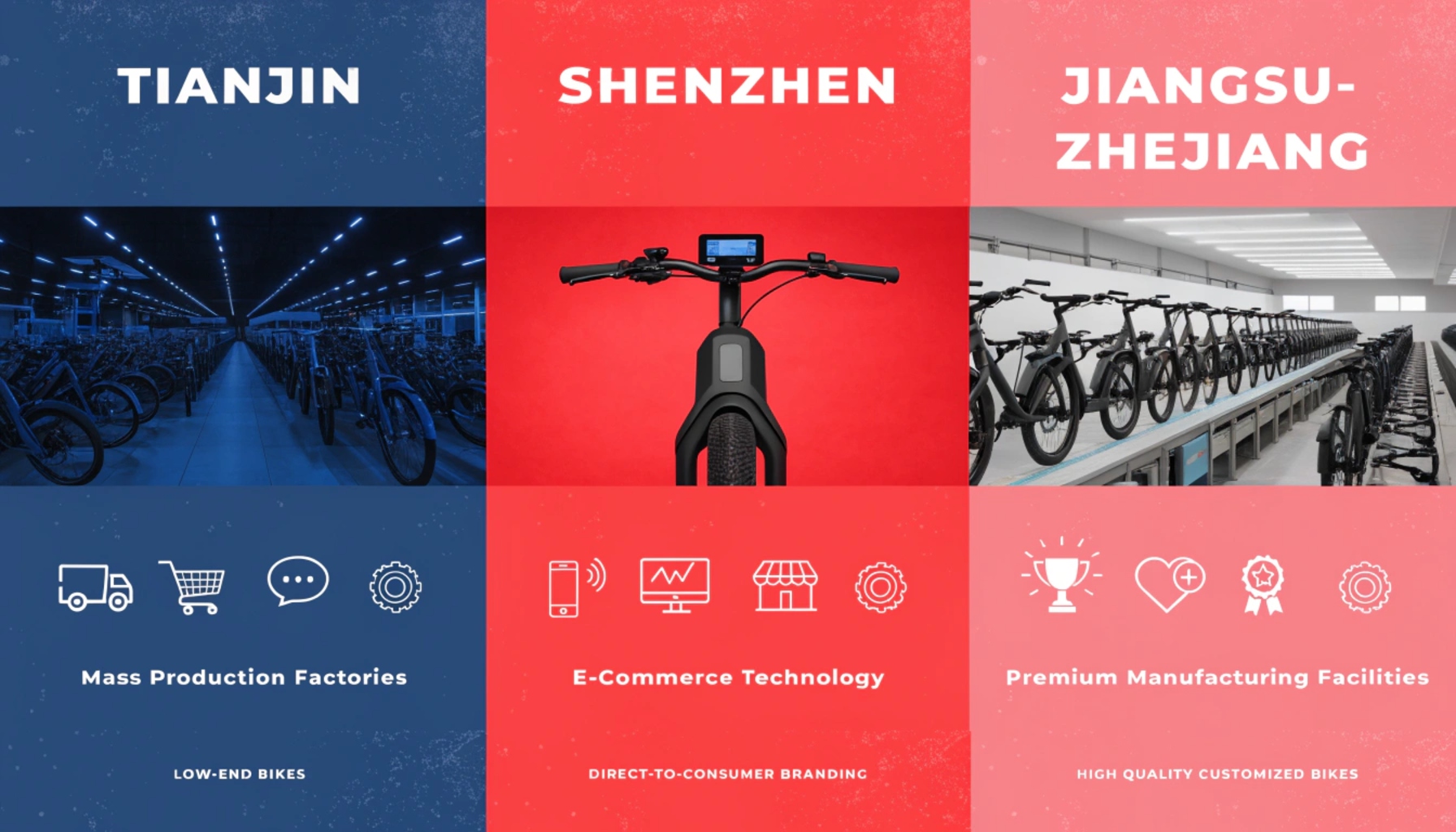
Tianjin has a long history of making bicycles. It is famous for making millions of bikes very quickly. I have visited factories there. The scale is impressive. They can produce thousands of units in a day. But there is a trade-off. The main focus in Tianjin is volume. To get the volume up and the price down, they have to sacrifice something. Usually, that something is "detail." You will see a lot more steel frames in Tianjin. Steel is heavy and it can rust if the paint is not perfect. In the Jiangzhe region, we use aluminum alloy for almost everything. In Tianjin, steel is king because it is cheap. The labor cost is also much lower in Tianjin. The workers often work very fast. When you work too fast, you make mistakes. You might see screws that are not tightened all the way. You might see paint runs. You might see wires that are not organized well. This region is great for certain products. If you want to buy 10,000 simple delivery bikes for a local market where price is the only thing that matters, Tianjin is a good choice. If you are selling a bike for $300 at a supermarket, go to Tianjin. But you need to be careful. I have seen clients try to build a "premium" bike in Tianjin to save money. It usually fails. The supply chain there does not have the high-end parts. If you ask a factory there to do complex suspension tuning6 or advanced IoT integration, they might struggle. They are built for speed and low cost, not for innovation and precision. Here is why the costs are lower in Tianjin: Materials: heavy use of carbon steel instead of alloy. Paint: simpler painting processes that may peel faster. Labor: lower wages and higher turnover rates. QC: random checks rather than 100% inspection.
Does Shenzhen Focus More on Technology and Direct Sales?
You see many cool, futuristic e-bike brands online and wonder where they come from. You want a bike that looks smart and has the latest electronic features. Shenzhen and Guangdong are the home of cross-border e-commerce and DTC (Direct-to-Consumer) brands. These companies are strong in marketing and electronics. The quality is medium, but the prices are also medium. Interestingly, many of them outsource their high-end manufacturing to the Jiangzhe region.
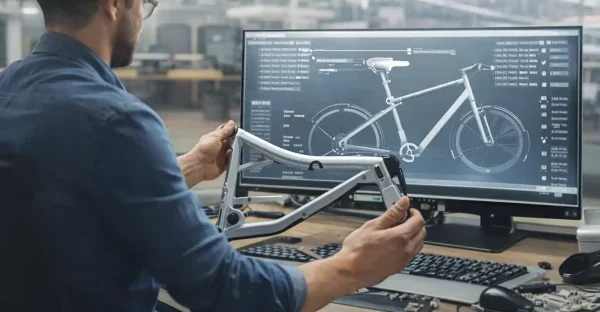
Shenzhen is the technology capital of China. It is where all the batteries and controllers come from. So, it makes sense that e-bike companies are here. But the business model in Shenzhen is different. Most "factories" you find in Shenzhen are actually trading companies or assembly plants for their own brands. They are very good at selling directly to customers (B2C) on Amazon or their own websites. They understand digital marketing7 better than anyone else. The quality here sits in the middle. It is usually better than Tianjin, but often not as refined as Jiangzhe. The labor cost is also in the middle. But here is a secret that many people do not know: Many top Shenzhen brands do not make their own bikes. I have had Shenzhen companies come to my factory in Jinghua. They have great designs and great software. But they need us to make the frames and do the final assembly. They know that the Jiangzhe region has the best mechanical engineers. So, they design in Shenzhen, we build in Zhejiang, and then they ship from Shenzhen. If you find a partner in Shenzhen, you need to ask: "Do you make the frame?" If they say no, they are likely outsourcing the heavy work. This is not a bad thing. It just means you need to understand who is actually controlling the quality. Shenzhen is excellent for:
- Smart Features: If you want GPS, Apps, and Bluetooth, they are the experts.
- Design Trends: They follow the latest fashion trends very closely.
- Small Batches: They are often willing to try new, risky designs. However, if you want to be a distributor or create your own OEM brand, be careful. If you buy from a Shenzhen DTC brand, you might be creating your own competitor. They are selling to the same customers you are. Working with a dedicated OEM factory (like us in Jiangzhe) protects your market territory8.
Conclusion
To choose the right partner, you must look at the map. Jiangzhe is for quality and customization. Tianjin is for the lowest price. Shenzhen is for tech and marketing trends.
Explore the elements that contribute to high-quality craftsmanship in e-bikes. ↩
Understand the difference between OEM and ODM services and how they impact product quality. ↩
Explore how a strong supply chain can enhance the quality and reliability of e-bikes. ↩
Find out which battery cells are considered the best for performance and longevity in e-bikes. ↩
Discover the importance of customer satisfaction in building a successful e-bike brand. ↩
Understand the importance of complex suspension tuning for a better riding experience. ↩
Explore the role of digital marketing in promoting e-bikes and reaching customers effectively. ↩
Learn strategies to protect your market territory when entering the e-bike business. ↩