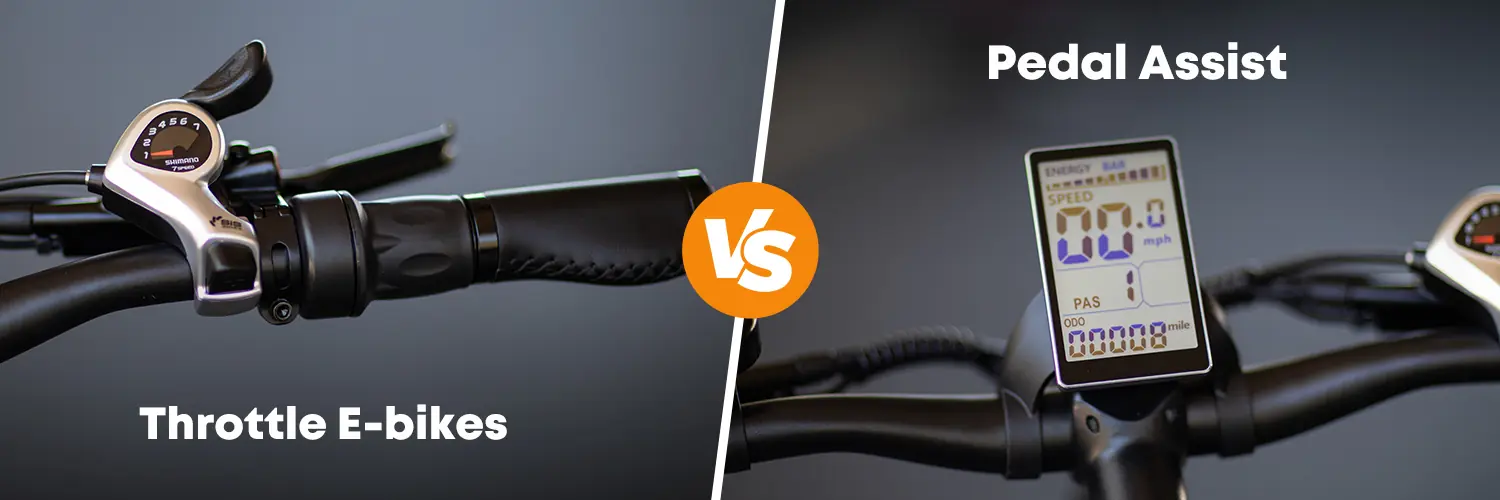
Choosing between pedal assist and throttle systems1 is often confusing for new e-bike brand owners. If you pick the wrong system for your target region, your products might get banned. The choice depends on your target market's laws and user needs. European markets2 strictly require pedal assist up to 25 km/h. The US market3 allows throttles. Fitness riders prefer pedaling, while commuters often want the ease of a throttle. Understanding local regulations4 is the first step.
Things were much simpler then. We just built bikes that moved. But today, the world is different. Every country has its own set of rules. You need to know these details to succeed. If you do not understand the difference, you cannot sell your bikes. Let me break down the specific regulations and consumer habits that will define your product strategy5.
How Do Regulations in Europe and the US Differ?
Trying to sell the same e-bike specification globally is a recipe for disaster. You might face heavy fines, customs seizures, or product recalls if you ignore specific regional laws. In Europe (EN151946), e-bikes must be pedal-assist only with a 250W motor limit and 25 km/h max speed. Throttles are generally banned. In the US, Class 2 and Class 3 e-bikes can legally have throttles and higher speeds up to 20 or 28 mph.
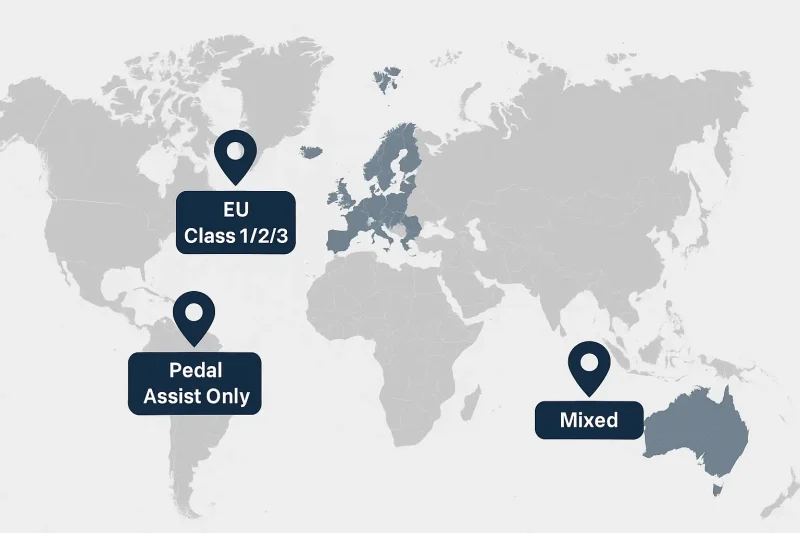
Our factory have seen many clients make big mistakes in this area. One time, a new partner from Germany wanted to order 500 units of our fat tire bikes. He loved the design. But he wanted a throttle on the handlebars. I had to stop him. I explained that in the European Union, the regulations are very strict. This is known as the EPAC7 (Electrically Power Assisted Cycles) standard. If the bike has a throttle that works without pedaling, it is not considered a bicycle in Europe. It becomes a moped. This means the rider needs insurance, a license plate, and a helmet. This kills the market for casual buyers. The motor must only work when the rider pedals. Also, the motor must stop helping when the speed hits 25 km/h. We have to program the controllers in our factory to ensure this compliance. The United States is very different. Americans generally like power and speed. In most US states, you have a 3-Class system. Class 2 e-bikes can have a throttle and go up to 20 mph without pedaling. Class 3 can go up to 28 mph. This flexibility allows us to use more powerful motors, like 500W or 750W hub motors. When we build for the US, we almost always include a thumb throttle or twist throttle. It is a major selling point there. Here is a simple breakdown of the regulatory landscape that we use when designing OEM projects:
| Feature | European Union (EU) | United States (US) |
|---|---|---|
| Throttle | Generally Prohibited (Walk mode allowed up to 6km/h) | Allowed (Class 2 & Class 3) |
| Max Speed | 25 km/h (15.5 mph) | 20 mph (Class 2) / 28 mph (Class 3) |
| Motor Power | Max 250W (Continuous rated power) | Max 750W (in most states) |
| Legal Status | Bicycle (if compliant) | Bicycle (varies by state laws) |
You must decide your market first. We can customize the firmware and the wire harness to fit the law. But you cannot sell a US-spec bike in Europe as a regular bicycle. It is illegal.
Which System Fits Your Target Customer's Riding Style?
Regulations are just the baseline; customer preference is what actually sells the bike. If you ignore who is riding and why they ride, your inventory will just sit in the warehouse. Younger riders and fitness enthusiasts usually prefer pedal assist (PAS) because it feels like natural cycling. Older riders or those with knee problems often need a throttle for easy starts. Delivery riders also favor throttles to reduce fatigue during long shifts.
We look at our warranty data and customer feedback often. We have found some very clear patterns over the last 20 years. The intent of the rider changes the hardware they need. First, let's look at the fitness group. These are often younger people or serious cyclists. They want to feel like they are doing the work. For them, we recommend a Pedal Assist System (PAS) with a Torque Sensor. A torque sensor8 measures how hard you push on the pedals. If you push hard, the motor gives more power. It feels smooth and natural. These riders often tell us that a throttle feels like "cheating." They buy our City E-Bikes and Mountain E-Bikes. On the other hand, we have the mobility group. I recall a conversation with a distributor who sells to retirement communities in Florida. He told me that for his customers, a throttle is a safety feature. Older riders sometimes have trouble getting the bike moving from a dead stop. They might wobble and fall. A throttle helps them get up to speed instantly without straining their knees. Then there is the commercial sector. We manufacture many food delivery electric bikes. These riders are on the bike for 8 to 10 hours a day. If they have to pedal hard all day, they get too tired. They need a throttle to rest their legs while moving between deliveries. So, you need to ask yourself: Who is your customer?
| Rider Type | Primary Goal | Preferred System | Why? |
|---|---|---|---|
| Fitness / Sport | Exercise, Fun | Torque Sensor PAS | Natural feel, extends range, rider input required. |
| Elderly / Rehab | Mobility, Freedom | Throttle + Cadence Sensor | Easy starting, less joint strain, safety. |
| Delivery / Cargo | Efficiency, Speed | Throttle | Reduces fatigue, carries heavy loads easily. |
| Commuter | Transport | Hybrid (PAS + Throttle) | Sweat-free arrival at work, exercise on the way home. |
If you build a mountain bike for young people, spend your budget on a good torque sensor. If you build a step-through bike for seniors, make sure the throttle is high quality.
Is a Hybrid System the Best Solution for the Future?
Choosing one system often means losing customers who want the other option. This limits your market potential and leaves money on the table for your competitors. A hybrid system9 offers the best of both worlds. It includes a high-quality torque sensor for a natural ride and a removable or software-locked throttle. This allows one bike model to adapt to different regions and user preferences with minimal changes.
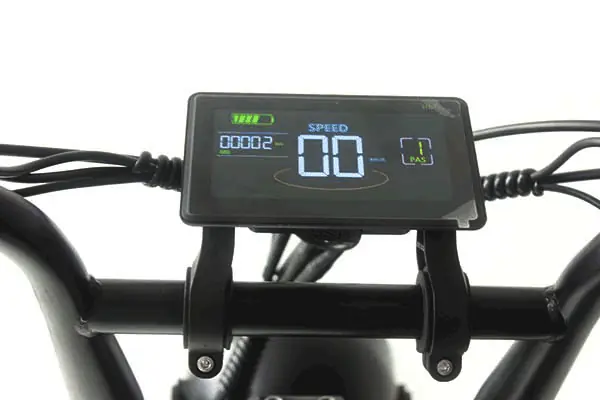
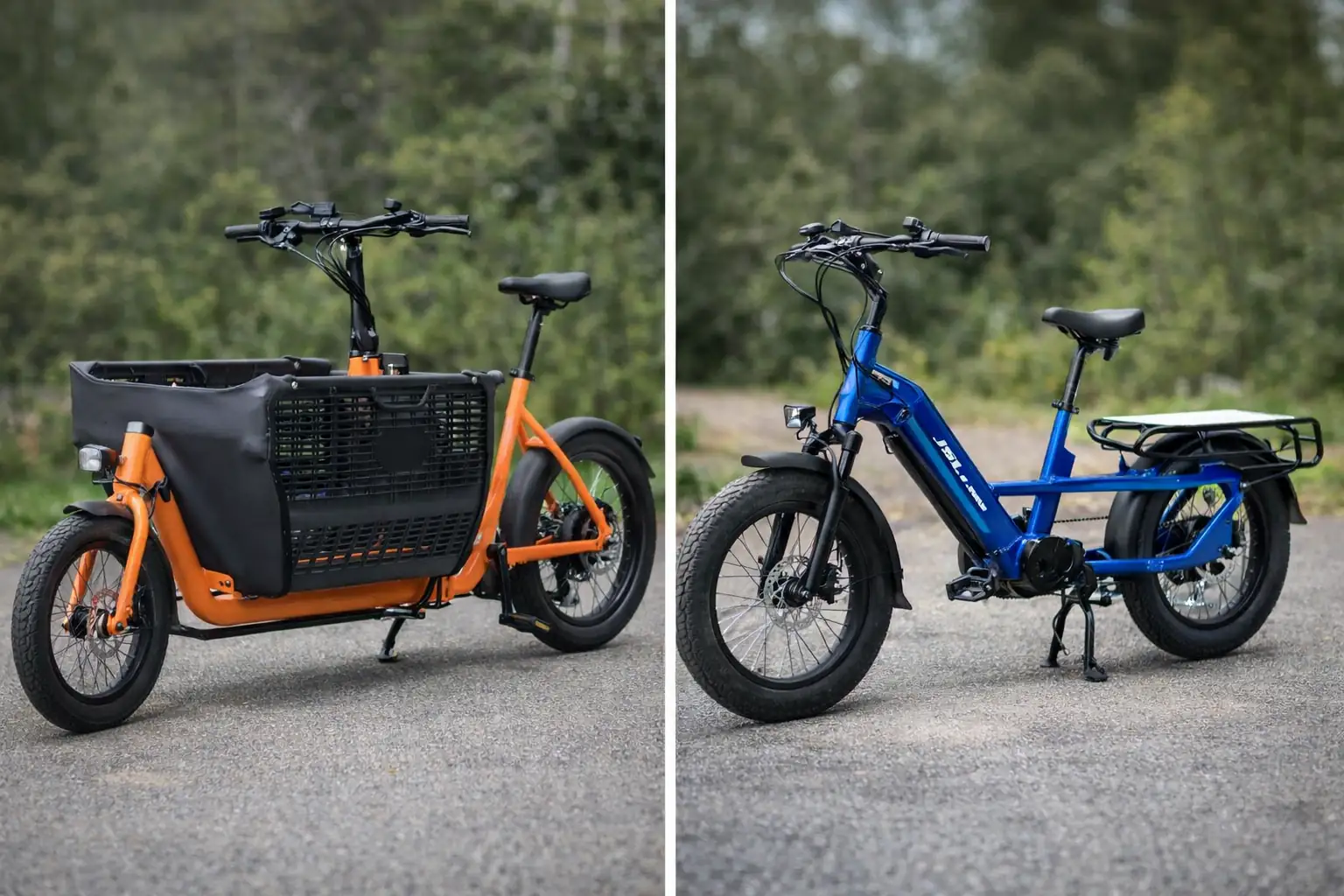
The market is changing fast. In the past, we built bikes that were strictly one or the other. Now, I see a strong trend toward hybrid systems. This is the future of e-bike manufacturing. A hybrid system allows the bike to work in multiple ways. We can install a high-end torque sensor for that premium cycling feel. But we also include a throttle connection point. From a manufacturing perspective, this is very smart. We can produce one main frame and one electrical system for you. This saves you money on tooling and inventory. If you are selling to the US, we plug in the throttle. If you are selling to the UK or Germany, we can physically remove the throttle or disable it in the software settings. The bike remains the same. Also, riders love choice. I have a personal story about this. I ride our City E-Bike to our factory often. In the morning, I am fresh, so I use the pedal assist to get some exercise. But sometimes after a long day of meetings and checking the assembly lines, I am exhausted. On the way home, I just want to use the throttle and relax. A hybrid system lets me do both. We are also seeing "Boost Buttons10" becoming popular. This is compliant in some stricter areas. It is not a full throttle, but a button that gives max power only while you are already pedaling. This helps with climbing hills or overtaking. Here is why you should consider a Hybrid approach for your next order:
- Inventory Safety: You can adapt the same stock for different laws.
- Wider Audience: You appeal to both fitness riders and lazy commuters.
- Higher Value: Customers perceive the bike as more advanced.
- Future Proof: If laws change, you can update the firmware. We can help you design these systems. We have the engineers and the software tools to make it happen.
Conclusion
To succeed, you must match the drive system to local laws and rider needs. We can help you build compliant, popular hybrid e-bikes for any market. Contact us today.
Explore how throttle systems can enhance user experience and cater to different riding styles. ↩
Learn about the strict regulations in Europe to avoid costly mistakes in e-bike design. ↩
Understanding US regulations is essential for successfully selling e-bikes in America. ↩
Explore how local laws shape e-bike specifications and marketability. ↩
Explore effective product strategies to ensure your e-bikes meet market demands. ↩
Understanding EN15194 is crucial for e-bike compliance in Europe, ensuring your products meet legal standards and avoid costly penalties. ↩
Understanding EPAC is crucial for e-bike compliance in Europe, ensuring your products meet legal standards and avoid costly penalties. ↩
Explore the benefits of torque sensors for enhancing the riding experience. ↩
Discover how hybrid systems can maximize market potential and customer satisfaction. ↩
Learn about Boost Buttons and how they can enhance performance in compliance with regulations. ↩