Struggling to pick the right motor for your e-cargo bike line? This choice impacts performance, legality, and costs, making it a critical decision for your business's success.
The best motor power for an electric cargo bike depends on your target market1 and intended use. For Europe, 250W is the legal standard. For North America and Australia, 500W to 750W provides a better balance of power for heavy loads and varied terrain.
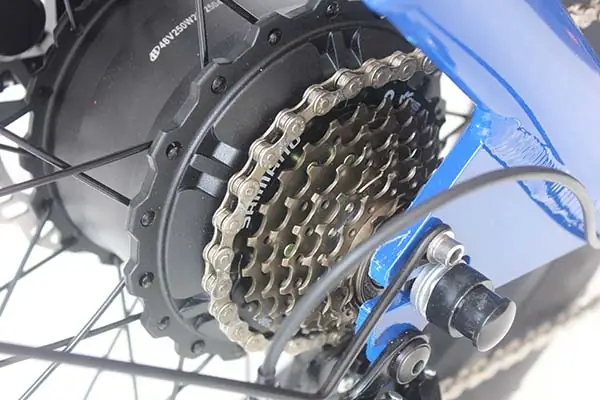
Choosing a motor isn't just about picking the biggest number. As a manufacturer, I've learned that the entire bike system—from the frame to the chain to the battery—is affected by the motor's power. A more powerful motor isn't always better; it can lead to faster wear and tear if the bike isn't built for it. It's all about finding the right balance to create a reliable and competitive product. Let's break down the options so you can make an informed choice.
Is a 250W Motor Enough for an Electric Cargo Bike?
Worried a 250W motor is too weak for real cargo work? This concern could limit your sales in key markets, but for many applications, it's the perfect, legally compliant choice.
A 250W motor is ideal for urban delivery e-bikes, especially in Europe where it meets legal requirements. It's efficient for lighter loads and flat terrains, offering longer battery life and putting less mechanical strain2 on the bike's components.
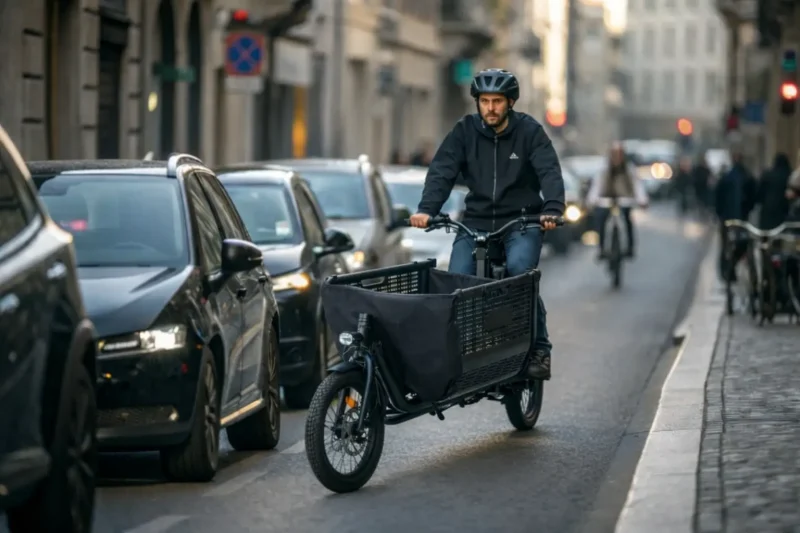
When we design e-cargo bikes for our European partners, the 250W motor is our go-to. The reason is simple: it’s the law in the EU for an e-bike to be classified as a bicycle. Anything more powerful requires different licensing and insurance, which defeats the purpose for many delivery businesses. But beyond legality, the 250W motor has other strengths. It’s highly efficient, meaning it draws less power from the battery. This translates to longer range on a single charge, which is a huge plus for a full day of deliveries. It also puts less stress on the drivetrain, including the chain and gears, and the frame itself. This reduces maintenance costs and extends the bike's lifespan.
| 250W Motor | Advantages | Disadvantages |
|---|---|---|
| Legality | Fully compliant for the European market. | May struggle on very steep hills with heavy loads. |
| Efficiency | Excellent battery range, lower stress on components. | Slower acceleration compared to higher-watt motors. |
| Weight | Lighter motor, contributing to a lighter overall bike. | Requires more physical effort from the rider on hills. |
When Should You Choose a 500W or 750W Motor?
Are your current cargo bikes struggling with hills and heavy loads? This can limit your appeal in demanding markets. Upgrading to a 500W or 750W motor could be the solution.
Choose a 500W or 750W motor for markets like North America and Australia. These are perfect for handling medium-to-heavy loads, conquering hilly terrains, and providing the quick acceleration needed for efficient delivery services that go beyond flat city centers.
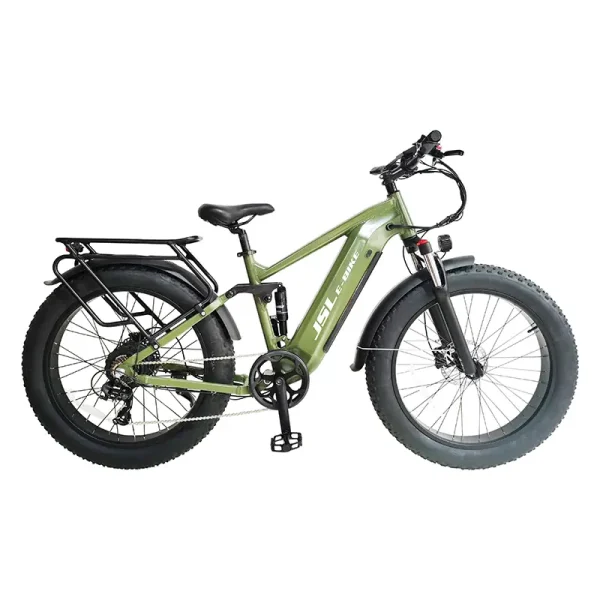
For markets outside of Europe, such as North America or Australia, the game changes. The regulations are different, and so are the expectations. Customers in these regions often face steeper hills and need to carry heavier loads over longer distances. This is where 500W and 750W motors shine. We recently developed a long-tail cargo bike with a 750W motor, and our US-based clients loved it. They reported that starting from a standstill on a steep hill, even with a full load, felt effortless. This kind of performance is a major selling point. A 500W motor offers a great balance between power and efficiency for daily deliveries, while a 750W motor provides that extra boost for challenging routes and heavier cargo. The trade-off is higher battery consumption and more stress on the drivetrain, so the bike must be engineered to handle it.
| Motor Power | Best Use Case | Key Consideration |
|---|---|---|
| 500W Motor | Moderate hills and standard cargo loads. | A strong balance of power and efficiency for daily use. |
| 750W Motor | Steep hills, heavy loads, and quick starts. | Higher battery drain and more stress on components. |
Is a 1000W Motor Ever a Good Idea for Cargo E-Bikes?
Tempted to offer a super-powerful 1000W motor to stand out? This move can create serious legal and mechanical nightmares for you and your customers. It's crucial to understand the risks.
A 1000W motor is generally not suitable for electric cargo bikes. It often pushes the vehicle into a different legal class (like a moped), requiring licensing and insurance. It also causes extreme stress on the frame and components, leading to rapid wear.
In my experience, anything above 750W is overkill for an e-cargo bike and enters a danger zone. First, there's the legal issue. In many regions, a bike with a 1000W motor is no longer an "e-bike" but a "moped" or "electric motorcycle." This means it needs a license plate, insurance, and a driver's license, which complicates things for delivery businesses. Second, the mechanical stress is huge. A 1000W motor delivers immense torque that standard bicycle components just can't handle. We're talking about cracked frame welds, snapped chains, and destroyed gears. These motors belong on specially designed e-mopeds that use much stronger frames and high-voltage systems (like 52V or 60V). For a cargo e-bike, it’s a recipe for failure and high maintenance costs.
| 1000W+ Motor | Risks and Disadvantages |
|---|---|
| Legal Issues | Often classified as a moped, requiring license and insurance. |
| Mechanical Failure | Puts massive stress on the frame, chain, and gears, leading to damage. |
| Battery Drain | Consumes battery power extremely fast, drastically reducing range. |
So, How Do You Make the Final Choice?
Feeling overwhelmed by the options? Choosing the wrong motor can mean a product that doesn't sell. Let's simplify the decision with a clear, step-by-step framework.
To choose the right motor, first identify your target market. For Europe, stick with 250W. For North America or hilly regions, 500W or 750W is best. Then, consider the primary use case: light city delivery versus heavy, long-distance transport.

Making the right decision comes down to answering two simple questions. By thinking through these, you can confidently spec a bike that your customers will love.
Step 1: Where Will the Bike Be Used?
The most important factor is your target market's regulations.
- Europe: The choice is simple. A 250W motor keeps your e-cargo bike legally classified as a bicycle, avoiding a mountain of red tape. It’s what the market expects and what the law demands.
- North America, Australia, and other regions: You have more flexibility. The regulations are less restrictive, and the terrain is often more demanding. This is where 500W and 750W motors become not just an option, but a competitive advantage.
Step 2: What Job Does the Bike Need to Do?
- Light Urban Deliveries: If the bike will be used for delivering food or small parcels in a relatively flat city, a 250W motor is perfectly adequate and highly efficient.
- Heavy Loads and Hills: If the bike needs to haul heavy equipment, groceries, or even children up and down hills, you need more power. A 500W motor is a good starting point, but a 750W motor will provide the confidence and ease of use that makes a real difference in daily operations.
Conclusion
Choosing the right motor is about matching power to your market and use case. This ensures you build a competitive, reliable, and legal electric cargo bike for your clients.