When sourcing e-bikes, many buyers focus on battery brands and capacity. But this misses the most critical part, leading to safety and performance issues that can damage your brand's reputation.
The Battery Management System1, or BMS, is the electronic brain of your e-bike's battery. It's a small circuit board that actively manages safety, optimizes lifespan, and ensures reliable performance, making it the true key to a high-quality and long-lasting battery pack.
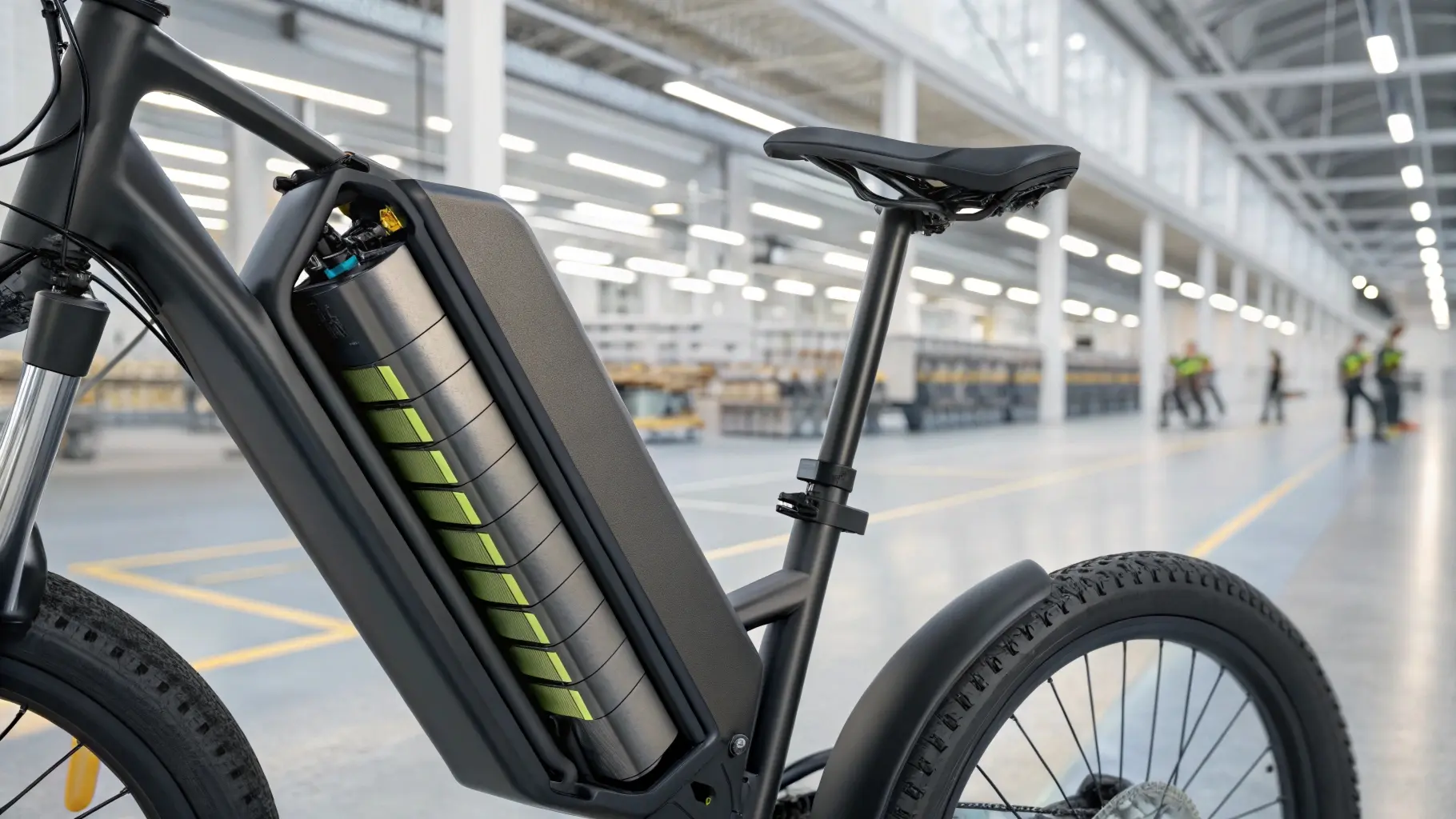
You might be surprised by how much this tiny component impacts your entire e-bike line. From our 20+ years of manufacturing experience, we've learned that a great battery is really about a great BMS. It's the difference between a product that customers love and one that creates endless headaches. Let's break down exactly why it's so important for your business.
Is Your E-Bike Battery Truly Safe for Your Customers?
You assume all batteries are safe, but a faulty one can be a disaster. We all remember the news about the battery explosion at Ningbo port, which made many freight forwarders refuse to ship batteries.
A high-quality BMS is your first and most important line of defense against these failures. It provides critical safety features like overcharge and over-discharge protection2, drastically reducing the risk of fire, swelling, and permanent damage to the battery cells.
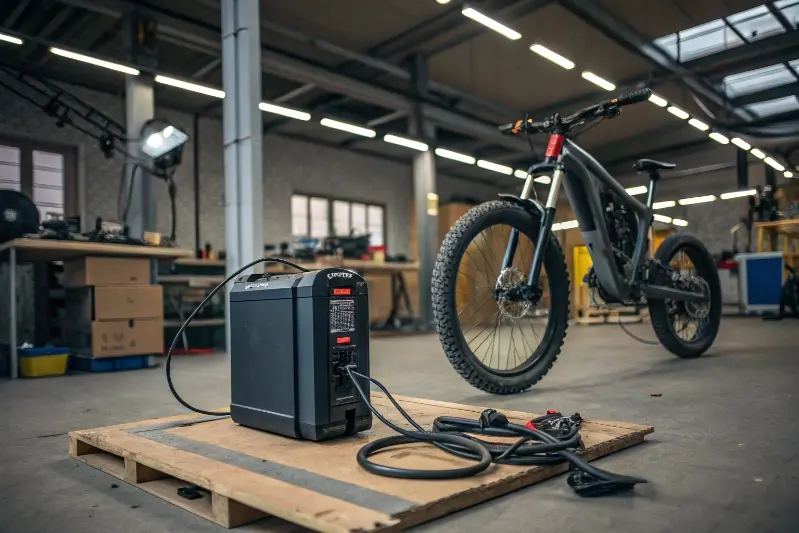
In our factory, safety is a red line we never cross, especially for production and export. The BMS is at the heart of this commitment. Its main job is to keep the battery operating within its safe limits. Overcharging is a major risk; if a battery is left charging after it's full, it can overheat, swell, and even catch fire. A good BMS simply cuts off the current once the battery reaches 100%. Likewise, over-discharging can permanently damage the cells and shorten their life. The BMS prevents this by shutting down the power before the battery is completely drained. It also protects against other dangers like short circuits and extreme temperatures. For B2B buyers, investing in a better BMS isn't a cost—it's insurance against catastrophic failure and brand damage.
| Safety Feature | Basic BMS | Advanced BMS (Our Standard) |
|---|---|---|
| Overcharge Protection | Yes | Yes, with higher precision |
| Over-Discharge Protection | Yes | Yes, with smarter cut-offs |
| Temperature Protection3 | Basic or None | Monitors and throttles power |
| Short-Circuit Protection4 | Yes | Instant, recoverable protection |
| Cell Balancing5 | None | Active Balancing for safety |
How Can Two Identical Batteries Have Drastically Different Lifespans?
You invest in high-capacity 48V batteries, expecting them to last for years. But some batteries die prematurely, leading to high replacement costs and unhappy customers, especially for fleet or rental businesses.
The difference isn't always the cells; it's the BMS managing their health. A smart BMS actively balances the voltage of each individual cell, preventing some from aging faster than others and maximizing the battery's total number of charge cycles.
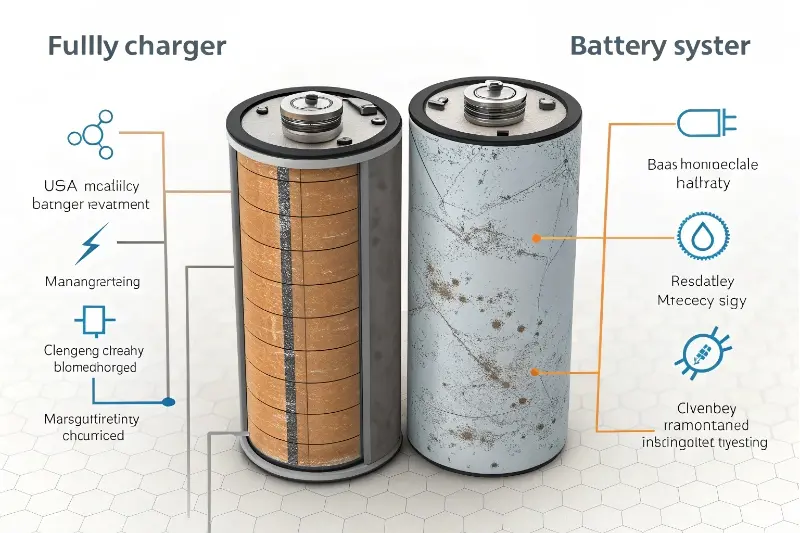
Think of a battery pack as a team of rowers. If one rower gets tired and slows down, the whole boat suffers. In a battery, each "cell" is a rower. Without a good manager (the BMS), some cells will work harder than others, get "tired" (degrade) faster, and weaken the entire pack. This is why a battery's performance can drop off a cliff after just a year. A good BMS performs "cell balancing," ensuring every cell has the same voltage. This makes the whole team work together perfectly, for much longer. For our clients with rental fleets or delivery services, this is a game-changer. A slightly higher upfront investment in a better BMS translates to a much lower total cost of ownership, as batteries last longer and require fewer replacements. The battery cells determine the upper limit of capacity, but the BMS truly decides the battery's useful lifespan6.
Why Does My E-Bike Suddenly Lose Power on a Hill?
A rider is enjoying their new e-bike, but the experience is ruined by performance issues. Sudden power cuts on a climb or a battery meter that drops from 50% to zero without warning create frustration and lead to warranty claims.
These common complaints often point directly to a subpar BMS. A sophisticated BMS provides accurate battery level readings, manages power output for stable performance under load, and prevents abrupt shutdowns by monitoring the battery's status in real-time.

A great riding experience is all about reliability, and the BMS is central to that. One of its most important jobs is providing an accurate State-of-Charge (SOC) reading7. A cheap BMS is like a faulty car fuel gauge—you never know how much range you actually have left. A quality BMS uses advanced algorithms to give the rider a trustworthy percentage. It also manages power delivery. When a rider goes up a steep hill, the motor demands a lot of power. A poor BMS might panic and cut the power to protect the battery, leaving the rider stranded. A smart BMS, however, communicates with the motor controller to deliver strong, stable power without risking damage. It constantly monitors voltage and temperature to ensure the bike performs smoothly and predictably in all conditions.
| Common Rider Complaint | Cause (Poor BMS) | Solution (Good BMS) |
|---|---|---|
| Inaccurate Battery Meter | Simple voltage-based estimate | Accurate "Coulomb counting" algorithm |
| Sudden Power Cut on Hills | Overly sensitive current protection | Intelligent power management8 |
| Weak Climbing Power | Voltage sag triggers low-power mode | Stable voltage output under load |
| Inconsistent Performance | Poor temperature management | Throttles power smoothly if overheating |
How Can the BMS Simplify Your Export and OEM/ODM Process?
Navigating international regulations and creating a custom e-bike line can feel overwhelming. Failing a certification test or struggling to match a battery with the right motor can cause major delays and cost overruns for your project.
Choosing the right BMS simplifies both compliance and customization. A compliant BMS is designed to meet key export standards like EN151949 and pass CE/TÜV/UL tests10. For OEM/ODM, a programmable BMS11 lets you perfectly match battery output to any motor.

For our B2B clients, this is where we provide immense value. Regulators in Europe and the US are no longer just looking at battery cells; they are inspecting the entire battery system, and the BMS is the star of the show. We ensure our BMS solutions are ready to meet strict standards like EN15194 for battery safety. They come with the required protection and data-logging features that make passing CE, TÜV, and UL certifications straightforward. In our OEM/ODM projects, the BMS is a key point of customization. Do you need a battery for a 250W city bike or a 750W fat tire bike? We can program the BMS with different discharge current limits to perfectly and safely match the power demands of your chosen motor. This eliminates guesswork and ensures every component in the system works in harmony. It's a core part of our one-stop solution.
Conclusion
Choosing the right BMS reduces safety risks, lowers long-term costs, and ensures compliance. As your manufacturing partner, we handle this complexity, saving you time and delivering a reliable, market-ready e-bike.
Understanding the BMS is crucial for ensuring the safety, performance, and longevity of e-bike batteries. ↩
Discover how over-discharge protection extends battery life and prevents damage. ↩
Explore how temperature protection safeguards e-bike batteries from overheating and damage. ↩
Find out how short-circuit protection prevents electrical failures in e-bike batteries. ↩
Understand how cell balancing ensures uniform performance and longevity of e-bike batteries. ↩
Understand how the BMS extends the lifespan of e-bike batteries, reducing replacement costs. ↩
Learn about the importance of accurate SOC readings for reliable e-bike battery performance. ↩
Explore how intelligent power management ensures stable power delivery in e-bikes. ↩
Learn about the EN15194 certification and its importance for e-bike battery compliance. ↩
Find out how these tests ensure the safety and compliance of e-bike batteries. ↩
Discover how a programmable BMS allows for customization and optimization of e-bike batteries. ↩