Are you trying to enter the European e-bike market but feel confused by the rules? Choosing the wrong motor can lead to compliance failures and lost investment.
The 250W motor dominates the EU market primarily because of the strict EN 15194 regulation1. This law limits e-bike motors to a continuous rated power of 250W and a pedal-assisted speed of 25 km/h2. Anything beyond this is not legally considered a bicycle.
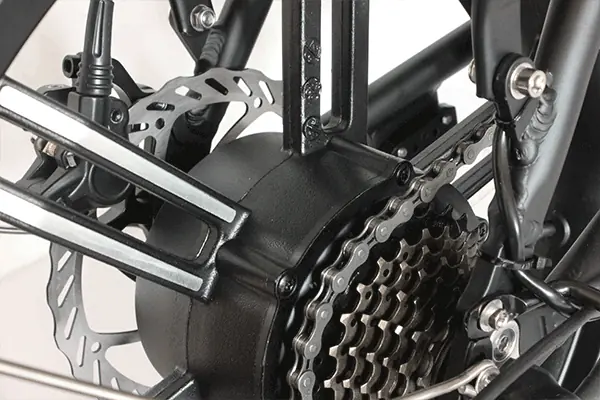
This regulation has shaped the entire industry. As a manufacturer since 1999, I've seen firsthand how this rule dictates everything from our design choices to the components we source. It's not just a suggestion; it's a hard line that separates a simple e-bike from a vehicle requiring a license, insurance, and taxes. But this isn't just about following rules. This standard is the result of a blend of smart urban planning, long-standing cycling culture, and economic sense3. Let's dive deeper into why this specific power output became the undisputed king of European roads.
Why are 250W motors the best option for EU urban logistics?
Struggling to optimize your delivery fleet for dense European cities? High operational costs and inefficient vehicles can quickly eat into your profits, making logistics a major headache.
250W motors are perfect for urban logistics because they are legally compliant, cost-effective, and highly efficient. They allow delivery riders to use bike lanes, avoid traffic, and operate with very low running costs, making them a superior choice for last-mile delivery.
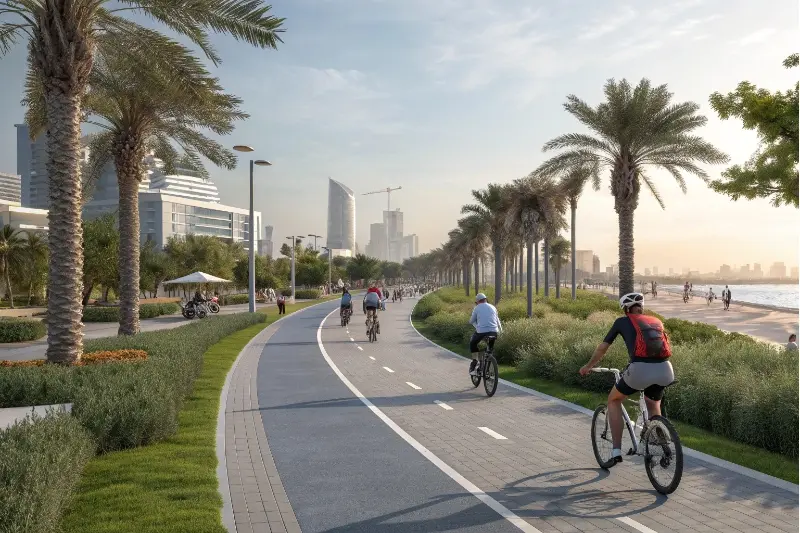
When we work with companies building delivery fleets, the conversation always starts with the 250W motor. It’s the key that unlocks the city. The low power consumption means batteries last longer, allowing for more deliveries per charge. This is a huge win for operational efficiency. The motors, controllers, and overall bike designs are also more affordable and lighter compared to high-powered alternatives. This reduces the initial investment and maintenance costs. From my experience, the smooth and stable assistance from a 250W motor is also a critical safety feature. In crowded urban centers, you don't want jerky, unpredictable acceleration. Riders need control. These e-bikes provide just enough assistance to carry loads and tackle hills without turning the rider into a speed demon, which drastically reduces the risk of accidents. It’s the ideal balance of performance and safety for the urban environment.
| Feature | 250W Cargo E-Bike | Delivery Van |
|---|---|---|
| Access | Bike lanes, pedestrian zones | Roads only |
| Running Costs | Extremely low (electricity) | High (fuel, insurance, tax) |
| Parking | Easy, anywhere | Difficult, often paid |
| Emissions | Zero | High |
| Driver Req. | None | Driver's License |
How do EU regulations affect e-bike manufacturers and importers?
Are you worried about navigating the complex web of EU e-bike regulations? A single mistake can cause your entire shipment to be rejected, costing you time and money.
EU regulations, specifically EN 15194, are the blueprint for manufacturers and importers. We must design bikes with 250W motors and a 25 km/h pedal-assist limit. Importers must verify these specs and ensure full CE certification4 to legally enter the market.
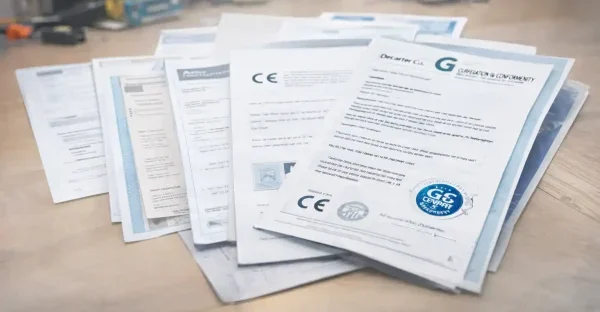
The EN 15194 standard is the single most important factor for us as manufacturers. It’s a legal red line. If an e-bike has a motor more powerful than 250W or can provide assistance above 25 km/h, it is no longer classified as an "Electrically Power Assisted Cycle" (EPAC). Instead, it falls into the category of a moped or light motorcycle. This completely changes the game. It would require a license plate, vehicle insurance, and for the rider to have a driver's license and wear a helmet. This immediately shrinks the potential market from everyone to just a small group of licensed riders. For our business, this means our entire production process, from our in-house frame factory to our final assembly lines, is optimized to build compliant EPACs. For importers, this regulation is their checklist. They depend on us to provide products that are not just high-quality but also 100% legal for the EU market.
| E-Bike Type | Motor Limit | Speed Limit | Legal Requirements |
|---|---|---|---|
| EPAC (Compliant) | 250W | 25 km/h | None (treated as a bicycle) |
| Speed Pedelec | >250W | 45 km/h | License, insurance, registration |
What is the impact of EN 15194 on e-bike manufacturing and sales?
As an e-bike brand, do you feel limited by the EN 15194 standard? It might seem like it stifles power and innovation, holding back performance.
While EN 15194 sets clear limits, its biggest impact is creating a massive, stable, and accessible market. It standardizes manufacturing goals and simplifies the sales process, as customers can buy and ride these e-bikes without any legal hurdles, boosting mass adoption.
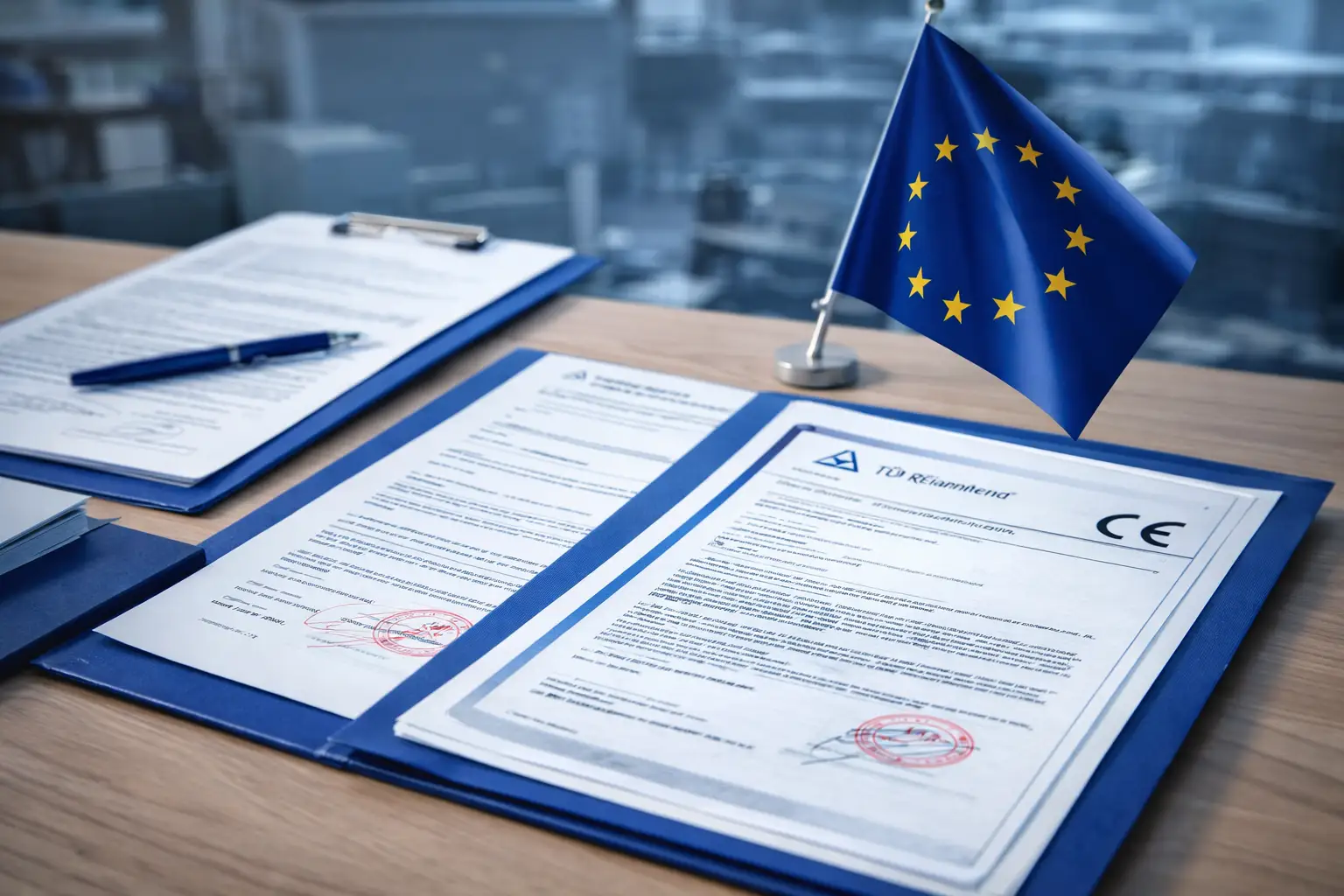
From a manufacturing perspective, the standard forces us to be smarter. Instead of just adding more power, we focus on efficiency. How can we design a lightweight frame that improves range? How can we integrate the battery seamlessly for better balance and aesthetics? How can we tune the motor and controller software to provide the smoothest, most intuitive pedal assistance? This is where our deep OEM/ODM customization capabilities come into play. We help brands build a better riding experience within the legal framework. For sales, the impact is immense. The standard aligns perfectly with Europe’s deep-rooted cycling culture. Most Europeans are not looking for a motorcycle replacement; they want to keep the health benefits and joy of cycling, but with a little help for hills or longer commutes. EN 15194 ensures the product meets that exact need. It keeps the e-bike feeling like a bicycle, which makes it an easy purchase for millions of people.
How can importers ensure compliance with EU e-bike laws?
Are you an importer feeling lost in the paperwork and technical details of EU compliance? One missed certificate can halt your business and damage your reputation with customers.
Importers can ensure compliance by partnering with a deeply experienced OEM/ODM manufacturer. The key is to verify all certifications, such as CE for the EN 15194 standard, and work with a supplier that has proven, strict quality control processes.
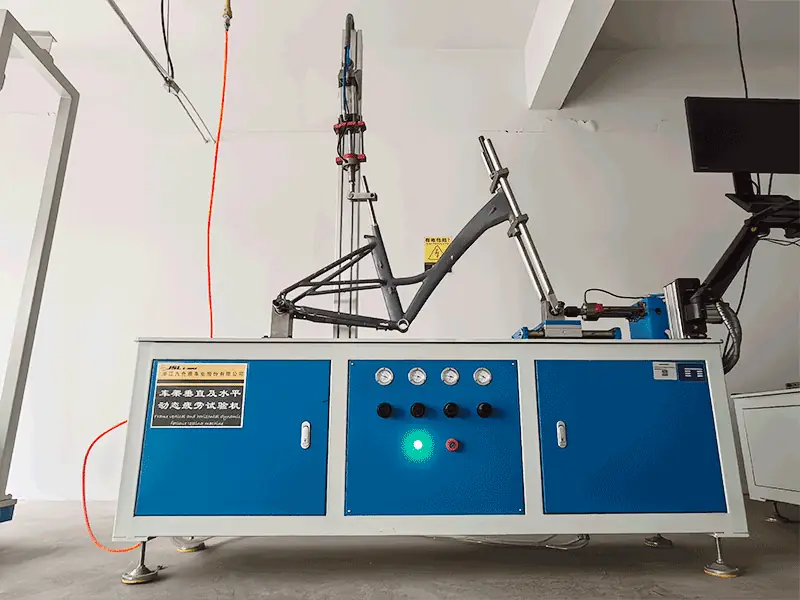
I've been in this industry for over two decades, and I’ve seen importers get into serious trouble by working with factories that cut corners. The safest path is to choose a partner who treats compliance as seriously as you do. First, demand to see the paperwork. A reliable manufacturer will readily provide the full CE Declaration of Conformity and the technical files to prove EN 15194 compliance. Our products are certified with CE, TÜV, and UL, so this is a standard part of our process. Second, understand their quality control. At our facility, we have strict QC measures at every stage, from frame welding to final assembly. This ensures that every single e-bike that leaves our factory is built to the exact specifications required by law. Finally, work with a team that offers comprehensive support. We guide our clients through the entire process, from initial design consultation to final certification and shipping logistics, to make sure there are no surprises at the border.
What are the advantages of using 250W motors for last-mile delivery in Europe?
Thinking about launching a last-mile delivery service in the EU? Vehicle costs, city traffic, and complex regulations can quickly make your business model unprofitable.
For last-mile delivery, 250W e-bikes are a game-changer. They bypass traffic in bike lanes, have almost zero running costs, and are eco-friendly. Crucially, their legal status as bicycles eliminates the need for driver's licenses or vehicle registration, simplifying fleet management immensely.
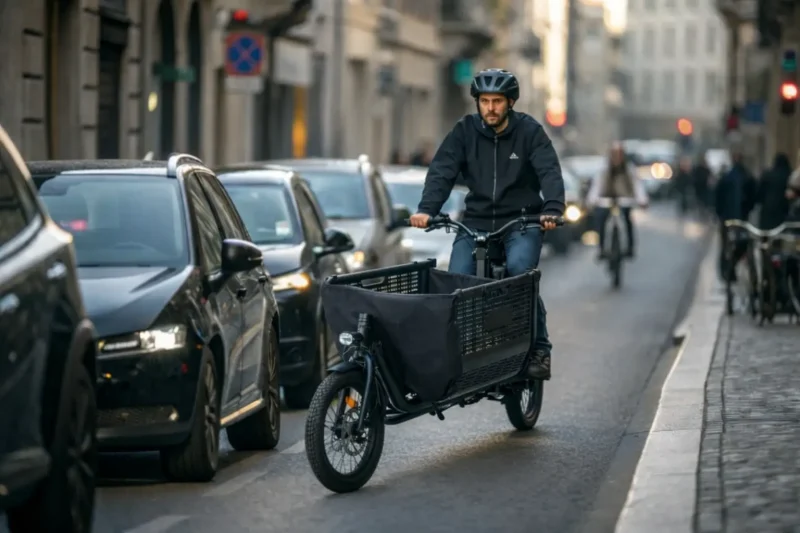
When we develop cargo e-bikes for logistics companies, we focus on a few key business advantages that only a 250W e-bike can offer. The first is incredible cost savings. There's no fuel, no road tax, and no expensive vehicle insurance. The second is operational efficiency. Riders can cut through parks and use bike lanes to avoid traffic jams, guaranteeing faster and more reliable delivery times. Parking is never an issue. This agility is priceless in a dense European city. Third, it's a powerful marketing tool. A fleet of zero-emission e-bikes tells customers you are a modern, sustainable brand. We even offer custom branding and paint jobs to make the bikes a moving billboard for your business. Finally, it simplifies hiring. You don't need to find drivers with a special license, which widens your talent pool. For larger fleets, our IoT-enabled battery solutions5 even allow for real-time tracking and remote diagnostics, giving fleet managers complete control.
Conclusion
The 250W motor's dominance in the EU is a result of smart regulation, urban design, and cultural preference. It creates a safe, accessible, and efficient e-bike market for everyone.
Understanding EN 15194 is crucial for compliance in the EU e-bike market, ensuring your products meet legal standards and avoid costly penalties. ↩
Learn why the EU limits e-bike speeds to 25 km/h to ensure safety and compliance, impacting design and market accessibility. ↩
The 250W motor offers cost-effective solutions for e-bikes, balancing performance and affordability in the EU market. ↩
CE certification is essential for legal compliance in the EU, ensuring e-bikes meet safety and performance standards. ↩
IoT-enabled batteries offer real-time tracking and diagnostics, enhancing fleet management and operational efficiency. ↩