Thinking about the Australian e-bike market? It's growing fast, but navigating the rising costs, new rules, and consumer shifts can be tricky. Let's explore how to succeed.
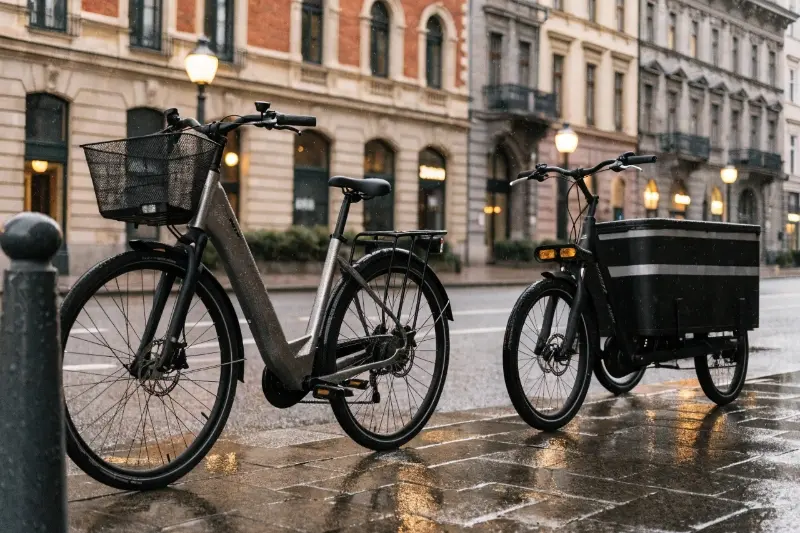
The Australian e-bike market is growing due to strong government investment in bike lanes, rising transport costs, and a consumer shift towards urban mobility. The cargo e-bike segment, in particular, is seeing rapid expansion driven by last-mile delivery services.
These trends point to a big opportunity. As an e-bike manufacturer with over 20 years of experience, I've seen markets evolve, and Australia shows all the signs of a maturing industry. But to really understand it, you need to look at the specific numbers and the forces shaping the market. Let's dive into the details that matter for any business looking to get involved.
How Big is the Australian E-Bike Market Really Getting?
You see e-bikes everywhere, but what are the actual growth numbers? It's easy to guess, but you need hard data to make smart business decisions. Here is the forecast.
The market is projected to hit $73.6 million by 2026 and grow to $87.93 million by 2031, with a steady compound annual growth rate of 3.62%1. This growth is fueled by infrastructure investment and demand from commercial fleets.
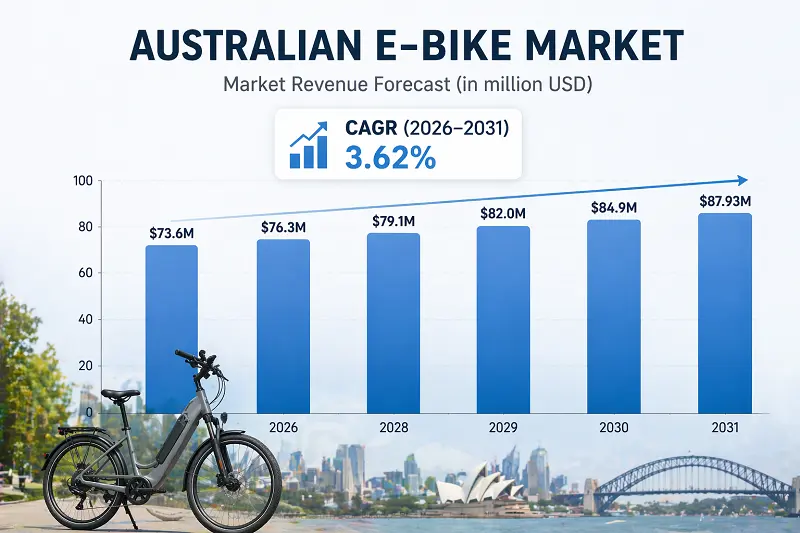
I've been watching the Australian market closely, and the numbers tell a clear story of steady growth. We're not just talking about a fleeting trend. The projection to reach $87.93 million by 2031 shows long-term stability. The key drivers are practical, not just recreational. For instance, as a manufacturer, we see more inquiries for commercial fleet solutions. Rising fuel and public transport costs push everyday commuters to look for cheaper alternatives. At the same time, government initiatives like the Active Transport Fund2 are making it safer and easier to ride by building dedicated bike lanes and mixed-use paths. This combination of economic pressure and improved infrastructure creates a perfect environment for e-bike adoption. It's a solid foundation for any business looking to enter or expand in this market. We're moving from a niche hobbyist market to a mainstream transportation solution, and the financial forecasts back this up completely. This isn't a bubble; it's a fundamental shift in how people think about getting around their cities.
What's Fueling the Shift from Weekend Rides to Daily Commutes?
E-bikes used to be for fun on the weekends. Now, they are becoming essential tools for city living. This change happened fast, and businesses that don't adapt will be left behind.
The shift is fueled by government investment in cycling infrastructure and a consumer trend towards practical urban transport. The rise of last-mile delivery services has made cargo e-bikes the fastest-growing segment, moving e-bikes from leisure items to essential work vehicles.
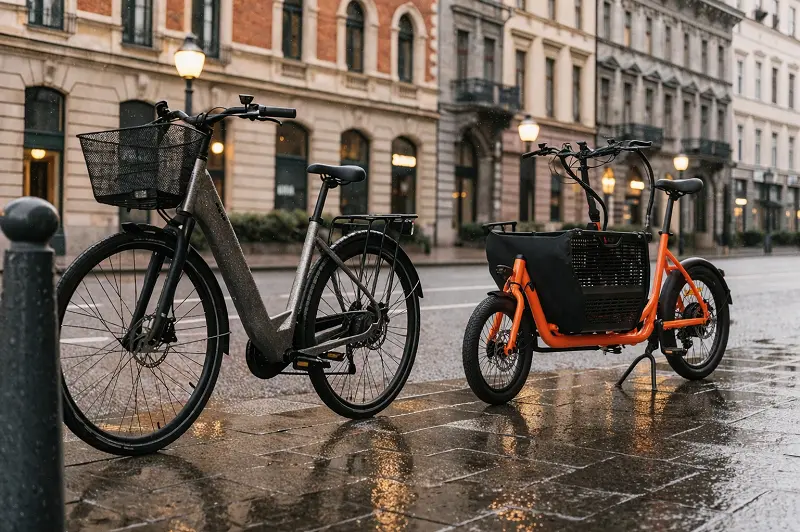
In our factory, we've seen a big change in the types of orders we get for Australia. A few years ago, it was mostly mountain or leisure e-bikes. Now, the demand for city and cargo models is surging. This isn't an accident. Governments are actively encouraging this shift. Tasmania is a great example, leading the country in e-bike use, with a surprising number of female riders. This shows e-bikes appeal to a very broad audience, not just young male enthusiasts. The real game-changer, though, is the commercial sector. The "last-mile delivery" boom means companies need efficient, low-cost ways to get packages to doorsteps. Cargo e-bikes are the perfect answer. On top of that, new battery safety rules in places like New South Wales are pushing customers towards reliable, certified products like ours. People aren't just buying a bike; they're investing in a transportation solution, and they want it to be safe and dependable. This transformation from a recreational product to a utility vehicle is the most exciting trend we're seeing.
Which E-Bike Segments are Winning the Race in Australia?
Not all e-bikes are created equal in the eyes of the market. Focusing on the wrong product type can be a costly mistake in a diverse market like Australia. Let's see which segments are truly leading.
Pedal-assist models are the clear leaders, expected to hold over 62% of the market by 2025. However, cargo and utility e-bikes are the fastest-growing segment. Lithium-ion batteries and hub motors remain dominant, but mid-drive motors are gaining ground quickly.
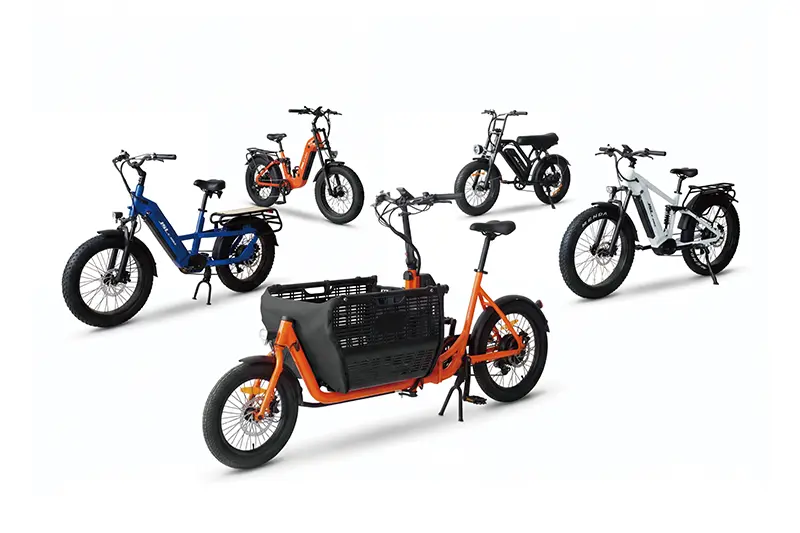
As a manufacturer, we have to pay close attention to these details. The data helps us decide where to focus our R&D and production for our OEM and ODM partners. Pedal-assist is the bread and butter of the market—it’s what most consumers want for commuting and general use. But the real excitement is in the cargo segment. Its projected 3.68% CAGR until 2031 is a strong signal for us. We're putting more resources into developing customizable cargo solutions. Here's a quick breakdown of the key components:
| Component Category | Dominant Type | Market Share (2025 Est.) | Emerging Trend |
|---|---|---|---|
| Propulsion | Pedal-Assist | 62.74% | Throttle-on-demand for specific uses |
| Battery Type | Lithium-Ion | 82.55% | Higher density, safer chemistries |
| Motor Type | Hub Motor | Dominant | Mid-Drive Motor (faster growth) |
Understanding this helps us advise our partners. While hub motors are cost-effective and popular for entry-level city bikes, the growing interest in mid-drive motors for high-performance and cargo bikes means we need to offer strong options in both categories. It's about giving our clients the flexibility to target the right niche within the broader market.
What are the Biggest Hurdles for E-Bike Businesses in Australia?
The Australian market looks promising, but hidden challenges can sink a business. Supply chain issues, high costs, and new regulations create serious risks you must prepare for.
The main challenges are high initial costs for consumers, fire safety concerns from low-quality batteries, and supply chain risks. A significant new hurdle is the requirement for a specific Australian CE certification3, replacing the previous acceptance of the EU standard.
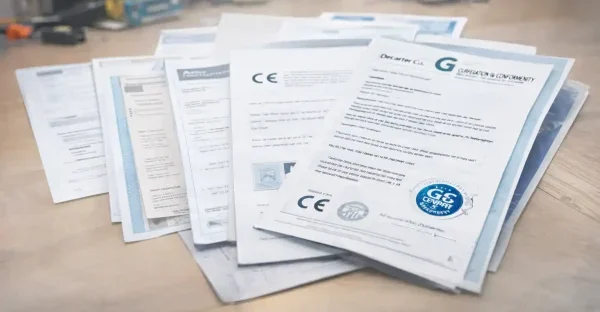
We face these challenges with our partners every day. The high upfront cost of an e-bike is still a major barrier for many consumers. While battery prices are falling, it's often not enough to make them as affordable as a traditional bicycle. This is something we try to address with efficient manufacturing and scalable component options. The fire safety issue is also critical. Low-quality, uncertified battery packs have caused fires, leading to stricter regulations. This is why we emphasize our ISO, CE, TÜV, and UL certifications4. It builds essential trust. The biggest recent change, however, is the new certification rule. Previously, an EU CE mark was enough to import into Australia. Now, the country demands its own specific CE certification. This adds another layer of compliance, cost, and time for manufacturers like us. It's a crucial detail for any brand planning to import e-bikes. We're already working to get our products certified under this new standard to ensure our partners have no issues entering the market.
Conclusion
The Australian e-bike market is growing, driven by urban commuting and cargo needs. Success hinges on offering certified, safe products, navigating new regulations, and addressing the high initial cost.
Understand the steady growth rate and the factors driving the Australian e-bike market's expansion. ↩
Discover how the Active Transport Fund is enhancing infrastructure for e-bike users in Australia. ↩
Learn about the new Australian CE certification requirement and its impact on e-bike imports. ↩
Learn about the significance of these certifications in building trust and ensuring safety in e-bikes. ↩