Struggling to sell the same e-bike model in Germany and America? These markets are worlds apart. Ignoring their unique demands is a direct path to lost sales and unsold inventory.
The key difference is regulation and culture. Germany favors EU-compliant 250W pedal-assist city bikes1 for daily commuting. The USA, however, prefers high-power (500W+) Class 3 and fat-tire models2 for recreation and longer, faster rides. Tailoring your product is essential for success.
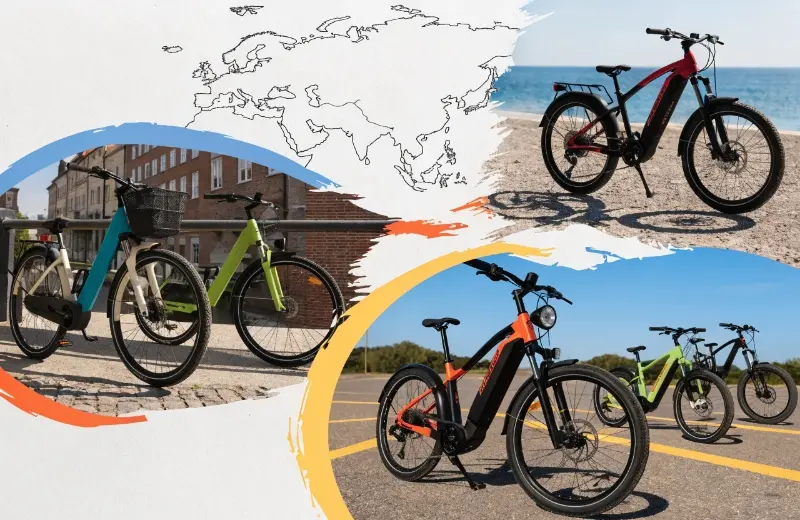
Understanding this basic difference is the first step. But as a manufacturer with over two decades of experience, I've learned that the real opportunity is in the details. One of our first major clients tried to launch their successful German city bike in the US, and the response was lukewarm. It wasn't until we helped them develop a high-power cruiser that their sales took off. Let's break down what truly drives sales in each country, so you can build the right e-bikes for your customers from day one.
What Makes an E-Bike a Bestseller in Germany?
Think your powerful, throttle-enabled e-bike will conquer the German market? Strict EU rules and a unique riding culture might surprise you. Don't let compliance issues or a product mismatch sink your launch.
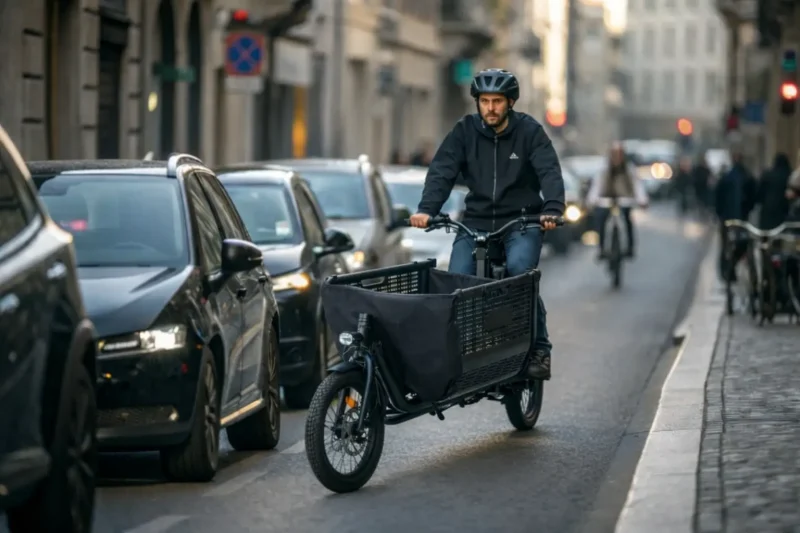
In Germany, bestsellers are EU-compliant 250W Pedelecs. Urban commuting and trekking models with reliable systems from Bosch or Shimano dominate the market. These bikes focus on comfort, durability, and safety. Cargo e-bikes are also a fast-growing segment for families and logistics.
From my experience working with German partners, their market is built on a foundation of practicality and rules. The cycling infrastructure is incredible, and people genuinely use e-bikes as car replacements for daily errands and commutes. This creates a very specific set of demands that you must meet to compete. It's less about raw power and more about creating a seamless, reliable, and safe riding experience that fits into their everyday lives.
The Commuter Is King
In Germany, the city and trekking e-bike isn't just a product; it's a way of life. These models are the undisputed champions because they are perfectly adapted to the local environment. German cities have extensive, well-maintained bike lanes, and commuting distances are often ideal for cycling. There is also a strong cultural push towards green transportation. When we design e-bikes for our German clients, the conversation always starts with rider comfort and vehicle durability. We focus on ergonomic riding positions, integrated lighting systems, and frames that can handle daily use in all weather conditions. The motor must be a 250W pedal-assist system, period. There's no room for throttles or overpowering motors. Quality is paramount; German consumers expect their e-bike to be a long-term investment, not a disposable gadget.
The Rise of the Cargo E-Bike
The cargo e-bike segment is exploding in Germany for two main reasons: families and logistics. Young families are using them to take their children to school and do grocery shopping, leaving the car behind. At the same time, delivery companies like DHL and UPS are adopting them for last-mile logistics in dense urban centers to reduce emissions and navigate traffic. For B2B buyers, this is a huge opportunity. The key design elements for a successful German cargo e-bike are a low center of gravity for stability, a robust frame with a high payload capacity, and powerful yet compliant braking systems. We often integrate longtail or front-box designs to meet these varied needs, always ensuring they adhere to strict EU safety standards.
What B2B Buyers Must Prioritize
| Feature | German Market Priority | Why It Matters |
|---|---|---|
| Motor Power | Strictly 250W (Pedelec) | Non-negotiable for EU legal compliance. Anything more is a moped. |
| Drive System | High-quality, reliable (Bosch, Shimano, Brose) | Consumers trust established brands and value smooth, quiet performance. |
| Frame & Build | Durability, comfort, and integration | The bike is a daily-use vehicle. It must be reliable and comfortable. |
| Safety | Certified components, integrated lights, powerful brakes | Safety is a top purchasing factor. TÜV certification3 is a major advantage. |
Why Do Americans Demand More Power and Speed?
Is your 250W e-bike lineup falling flat in the US market? It's a common story. American riders expect more power and versatility for their wide-open roads and rugged trails. Your European bestseller might not even make a dent here.
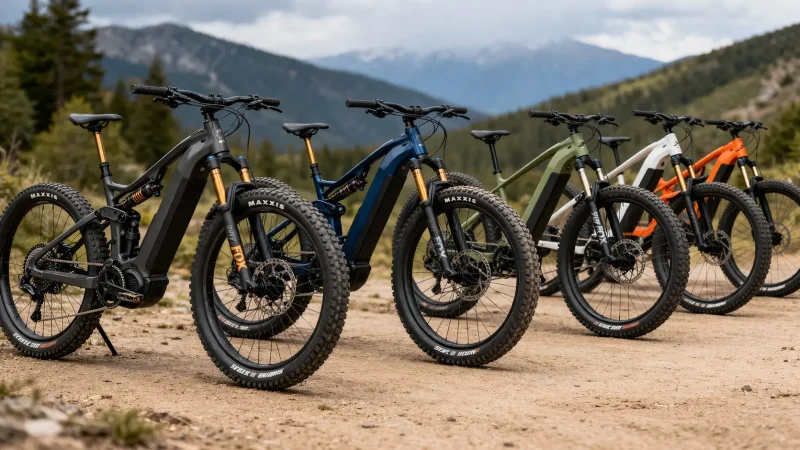
The US market thrives on freedom and power. With less restrictive regulations, high-power (500W-750W+) Class 3 cruisers and all-terrain fat-tire e-bikes are top sellers. Consumers want speed for long commutes and power for recreational off-roading and climbing steep hills.
I remember a client from California who came to us after his initial import of European-style city e-bikes sold poorly. He said, "My customers test ride the bike and ask, 'Is that all?'" We worked with him to develop a 750W fat-tire cruiser that could hit 28 mph. He sold his first container in under a month. This experience taught me that in America, the e-bike is often seen as a tool for recreation and empowerment, not just a practical commuter. It needs to feel powerful.
The "Go Big or Go Home" Mentality
The demand for Class 3 e-bikes, which can reach speeds of 28 mph (around 45 km/h) with pedal assist, is massive in the US. This is driven by the country's infrastructure and culture. Many American cities are car-centric, with long distances between home, work, and shops. A faster e-bike makes it a more viable alternative to a car. Furthermore, there's a strong culture of outdoor adventure. Riders want the power to flatten hills and the speed to keep up with traffic on suburban roads. When we build for the US, offering a 500W motor is the baseline. Our most popular models are 750W, and we even develop 1000W versions for specific clients. The feeling of acceleration and speed is a primary selling point.
Fat Tires for Total Freedom
The fat-tire e-bike is an American icon. While it might seem like a niche product in Europe, it’s a mainstream bestseller in the US. Why? Because it represents freedom. These bikes can handle almost any terrain—sand, snow, dirt trails, and bumpy city streets. This versatility appeals directly to the American recreational market. Consumers use them for weekend adventures, hunting trips, or simply cruising along the beach. For B2B buyers, having a strong lineup of fat-tire models is not optional; it's essential for capturing a huge piece of the market. We focus on building them with robust frames, powerful motors to turn those big wheels, and large batteries to ensure the fun doesn't stop early.
How Should You Design Your Product Line for Both Markets?
Trying to create one "global" e-bike is a recipe for failure. You risk creating a product that is not powerful enough for Americans and not compliant for Germans. Stop compromising and start strategizing.
Do not use the same SKU. Create distinct product lines. For Germany, focus on a compliant, comfortable commuter line. For the US, develop a high-power, versatile all-terrain and cruiser line. A separate cargo line can also be adapted for each market's specific needs.
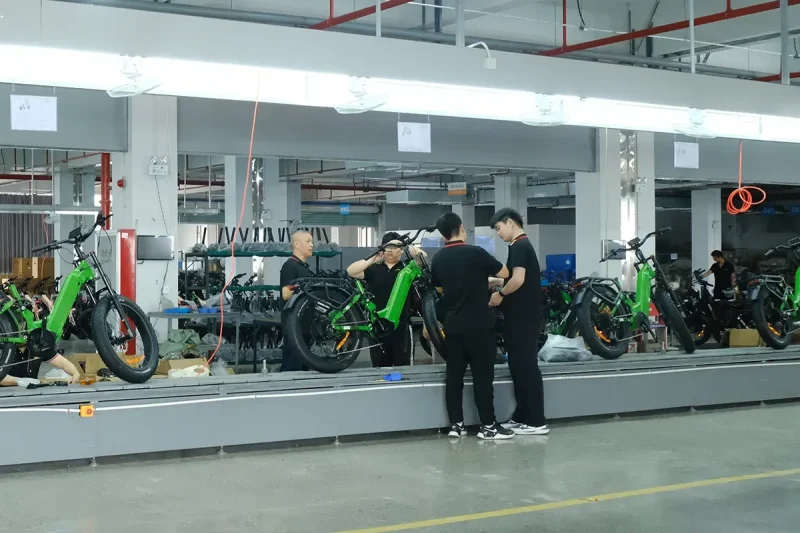
The most successful brands we work with treat Germany and the USA as two completely separate projects. They have different names, different marketing, and, most importantly, different product specifications. Trying to save money by developing one frame and just swapping the motor is a short-term solution that leads to long-term disappointment. You have to design from the ground up for each market's core customer. This targeted approach is how you build a strong, sustainable presence in both regions.
A Tale of Two Strategies
The best way to visualize the difference is to compare the core requirements side-by-side. This is the exact checklist we use when starting a new OEM project for a client targeting these markets.
| Dimension | Germany (EU) | USA |
|---|---|---|
| Primary Rule | EU Regulation (EN15194), 250W Limit | Class 1, 2, 3 System (State-by-State) |
| Speed Focus | 25 km/h Pedal Assist (Pedelec) | 28 mph Pedal Assist (Class 3) is popular |
| Main Use Case | Commuting, Utility, Touring | Recreation, Commuting, Adventure |
| Popular Styles | City, Trekking, Cargo | Fat Tire, Cruiser, Mountain E-Bike |
| Component Focus | Durability, Reliability, Safety | Power, Battery Range, Speed |
| Customer Mindset | "My reliable car replacement" | "My fun and powerful weekend machine" |
Future-Proofing Your E-Bike Lineup
Looking ahead three to five years, these trends will only become more defined. In Germany, we expect to see more demand for ultra-lightweight, sophisticated commuter e-bikes and even more specialized family and cargo solutions. Sustainability and low-maintenance designs will also become key selling points. In the US, the push for performance will continue. We're already seeing the rise of "SUV-style" e-bikes—models with full suspension, fat tires, and immense power that can do everything. The commercial last-mile delivery and corporate fleet markets are also set for massive growth. As a B2B partner, my advice is to start developing products for these future trends now. Don't wait for the market to be saturated; lead it.
Conclusion
Germany favors compliant, durable city e-bikes, while the US prefers powerful, recreational models. For B2B buyers, market-specific product design is the absolute key to unlocking global sales.
Understanding these regulations is crucial for designing e-bikes that meet German market standards and avoid compliance issues. ↩
These models dominate the US market, and learning about their features can help tailor products for American consumers. ↩
This certification ensures safety and quality, which are critical for gaining consumer trust in Germany. ↩