The front-loading cargo e-bike market is booming, but jumping in by copying popular designs is risky. This path is filled with legal traps that can stop your business cold.
[Riese & Müller](1's">https://www.r-m.de/en-dk/)1's patents (like US11338873B2) are a major force in the cargo e-bike space. They protect key design elements of their bikes, including the frame structure and folding cargo box. Copying these features can, and has, led to infringement notices and serious legal trouble.**
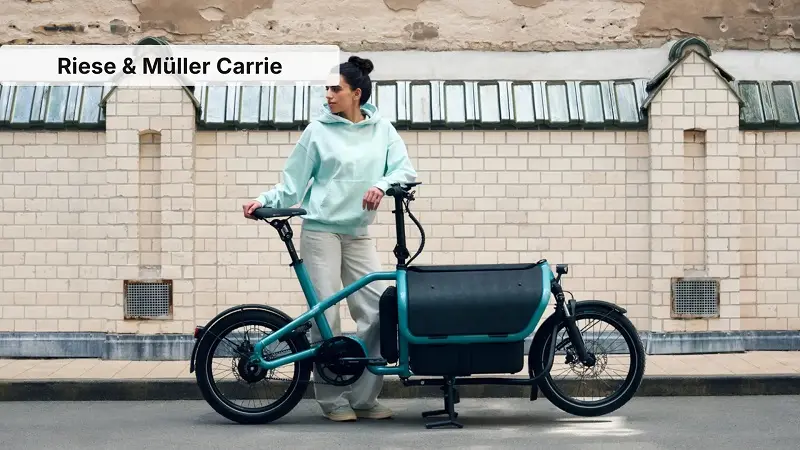
We've seen the rise of front-loading cargo bikes for both delivery and family use. It's an exciting market, but it's also one where big players like Riese & Müller have protected their innovations fiercely. Ignoring their intellectual property isn't just a bad idea; it can be a costly mistake. Let's look closer at what these patents cover and what it means for you.
What Exactly Do Riese & Müller's Cargo Bike Patents Protect?
You know the patents exist, but the technical details can be confusing. Without understanding the specifics, you risk accidentally using a protected design feature in your own product.
Riese & Müller's patents primarily protect the unique frame structure engineered for heavy loads. This includes the specific layout of support beams for stability, versatile mounting points for accessories, and the clever design of their "Flex Box" folding cargo basket.
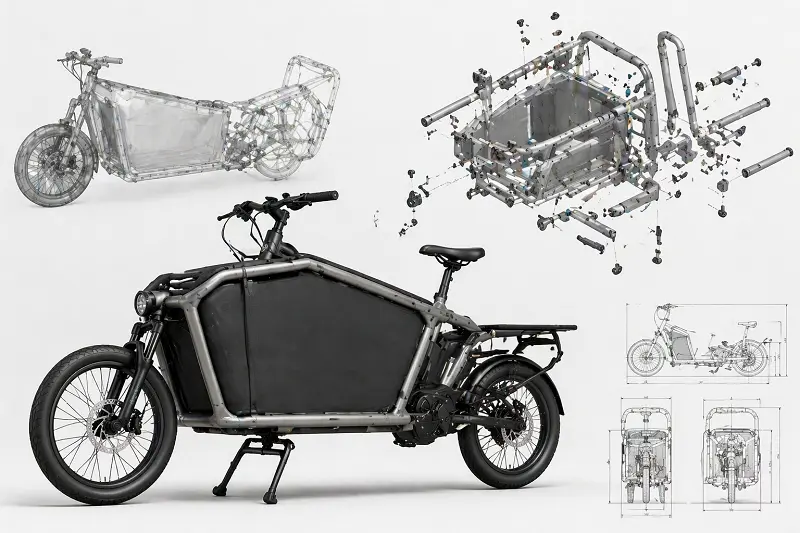
When we dig into the details of patents like US11338873B2 and its international family (WO2021231133A1, EP4149826A4, etc.), we see a focus on creating a strong and stable cargo platform. It's not just about the general look of the bike; it's about the engineering that makes it work so well.
Frame Structure and Stability
The patents describe a very specific frame design. The cargo platform is connected to the main frame with several cross members2. These aren't placed randomly; they are designed to form triangular structures. This engineering trick dramatically reduces the side-to-side wobble that can happen when carrying heavy or shifting loads, like groceries or a child. This makes the ride much more stable and safe.
The Innovative "Flex Box"
Another key protected feature is the folding mechanism for the cargo basket, which Riese & Müller calls the "Flex Box." Many factories in China are trying to copy this. The design uses a locking position for both the open and closed states. This prevents the box from rattling or accidentally collapsing or opening while riding. It’s a small detail that makes a huge difference in usability.
Key Patented Features Summary
| Feature | Description | Benefit |
|---|---|---|
| Triangular Supports | Cross members connect the cargo rack to the frame in a triangular pattern. | Increases structural rigidity and reduces sway. |
| Flex Box Mechanism | The cargo basket has a locking mechanism for open and closed positions. | Ensures safety and prevents rattling. |
| Accessory Mounts | The frame includes flexible attachment points for various accessories. | Enhances the bike's versatility and function. |
| Dropout Assembly3 | A design that supports both the rear wheel and cargo rack support pillars. | Lowers the center of gravity for better handling. |
What Are the Real Risks of Patent Infringement in the E-Bike Industry?
Thinking about launching a "look-alike" product? It might seem like a shortcut to success. But receiving a cease-and-desist letter can ruin your business before you even get started.
Patent infringement risks are about more than just legal fees. You could face intense market competition, severe damage to your brand's reputation, and huge financial penalties. We've seen this happen to one of our own clients who bought a copy from another factory.

The consequences of getting caught are real and multi-layered. We had a client who purchased a batch of Riese & Müller replicas from another supplier. They were quickly contacted by Riese & Müller's legal team and notified of the infringement. It created a massive problem for their business, forcing them to deal with unsellable inventory and legal threats. This is a situation you want to avoid at all costs.
When infringing products enter the market, they are often sold at a lower price because they didn't have to invest in research and development. This can start a price war, hurting the profits of both the original brand and the companies selling copies. It devalues the innovation and makes it harder for anyone to succeed.
Damage to Your Brand's Credibility
Building a brand takes time and trust. If your company becomes known for copying other people's designs, customers and business partners will question your integrity and innovation. A reputation as a "copier" is hard to shake and can limit your future growth opportunities. You want to be seen as a leader, not a follower.
The High Cost of Legal Battles
Patent lawsuits are incredibly expensive. The legal fees alone can be crippling for a small or medium-sized business. If you lose the case, you could be forced to pay significant damages to the patent holder, recall all your products, and stop selling them completely. It’s a financial risk that simply isn't worth taking.
Why is Developing Your Own Patented Design a Smarter Strategy?
Trying to navigate the world of patents can seem difficult and costly. But building your business on someone else's designs leaves you vulnerable and without a unique identity in the market.
Investing in your own original designs and patents is the best long-term strategy. It gives you full control, a powerful market advantage, and protection from infringement claims. It establishes your brand as an innovator and leader in the e-bike industry.
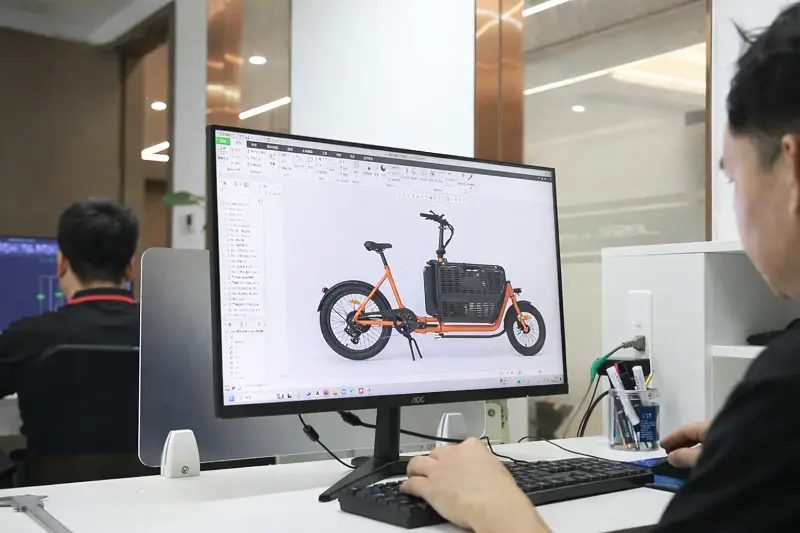
This is the philosophy we live by at our company. Instead of imitating what's popular, we focus on creating something new and better. This approach led us to develop our own front-loading cargo e-bike, the MiniCargo, which is built on our own ideas and protected by our own patents.
Our Commitment to Original Design
The idea for the MiniCargo came directly from our factory's owner. He saw the need for a cargo bike that was not only functional but also addressed the weaknesses of existing models. We didn't just tweak an existing design; we started from scratch. This commitment to originality is what sets us apart and protects our customers.
The Development of Our MiniCargo4
Our MiniCargo is the result of countless hours of work and dozens of different versions. We patented our unique solutions, including a fully foldable frame and an innovative magnetic cargo box5. These features are ours alone. They provide real value to the rider and create a product that can't be easily copied by competitors.
The Payoff: A Superior Product
The benefits of our approach became crystal clear just a few days ago. A client who had attended a recent trade show6 visited our factory. He test-rode our miniCargo and bikes from several other suppliers. He was amazed by how much smoother our bike felt and how much better its turning radius was. That's the difference that true innovation makes—a better product and a better riding experience.
Conclusion
In the e-bike industry, patents are powerful. They define a brand's market position and long-term potential. Copying patented designs is a short-term tactic with huge risks.
Developing your own intellectual property, as we have, is the only sustainable path to success.
Explore how Riese & Müller's patents shape the cargo e-bike market and protect innovative designs, crucial for understanding industry standards. ↩
Understanding their role can help in designing bikes that handle heavy loads more effectively. ↩
Understanding this design can lead to better handling and performance in your e-bike models. ↩
Learning about this product can inspire new ideas and highlight the benefits of original design. ↩
Understanding this feature can lead to innovative cargo solutions in your e-bike designs. ↩
Exploring trade shows can provide networking opportunities and insights into industry trends. ↩