Riding an e-bike in freezing weather is a terrible experience if it's not built for it. The battery dies quickly, and you feel unsafe. You need a specially designed e-bike.
For cold weather markets like the Nordics, an e-bike must have a low-temperature battery with a heating system, wide or studded tires for grip on ice, and a corrosion-resistant frame. These specs ensure safety, reliable range, and a longer product lifespan in harsh winter conditions.
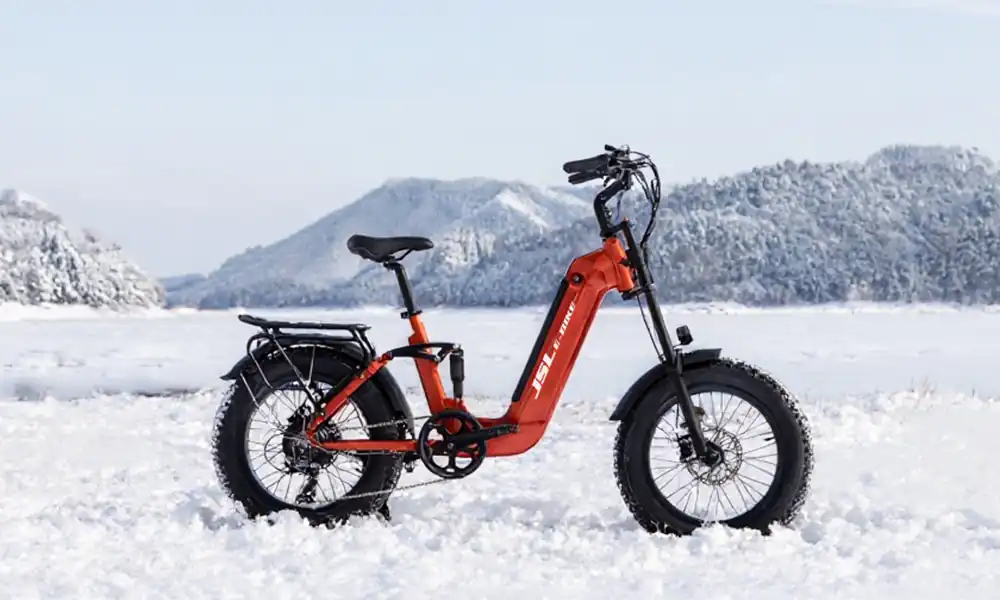
From my factory floor, I can tell you that an e-bike's performance in the cold is completely different from how it works in warm weather. You can't just take a standard model and sell it in a place like Sweden. You need specific, custom configurations to handle the challenges of a low-temperature environment. It’s about creating a machine that is reliable day in and day out, no matter how low the thermometer drops. Let's break down exactly what you need to look for.
How Do You Ensure Your E-Bike Battery Survives the Cold?
A dead battery in the freezing cold is more than an inconvenience; it can leave you stranded. Standard lithium-ion batteries lose power fast in winter. You need a battery built for the cold.
A cold-weather e-bike battery needs an integrated heating system and a smart Battery Management System (BMS)1. The heater keeps the battery in its optimal temperature range, while the BMS monitors and manages its temperature to prevent damage and ensure consistent performance.
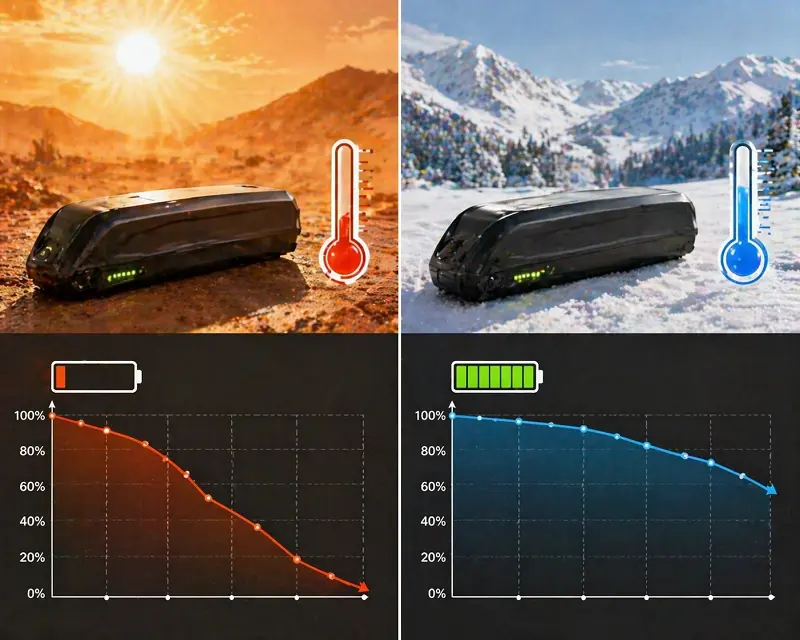
The battery is the first thing we focus on for cold climate markets. Low temperatures cause a battery's performance to drop and its range to shrink. This is a huge problem for daily commuters. From our experience, we know that standard lithium-ion cells just don't cut it when the temperature goes below 0°C. Their capacity drops, and their discharge efficiency gets much lower. This is why a customer might see their range cut in half during winter. To solve this, we have to engineer the battery pack differently.
Key Features for Cold-Weather Batteries
A robust battery for Nordic markets isn't just about a bigger capacity. It’s about how it manages the cold. We integrate specific technologies to make sure it performs reliably.
| Feature | Purpose |
|---|---|
| Heating System | This is a critical component. It keeps the battery cells within a safe operating temperature, usually between 0°C and 20°C. This prevents the performance drop that happens in freezing conditions. |
| Smart BMS | The Battery Management System needs to do more than just balance cells. It must have precise temperature monitoring and control functions to protect the battery from getting too cold or overheating during use or charging. |
| Cold-Resistant Cells | We also source specific lithium-ion cells that are formulated to perform better at lower temperatures than standard cells. This gives the battery an extra layer of reliability. |
What Kind of Tires Do You Need for Icy Nordic Roads?
Riding on icy or snowy roads with the wrong tires is incredibly dangerous. A small patch of ice can cause a serious accident. You need tires that can grip slippery surfaces.
For icy Nordic roads, you need either wide fat tires (4.0 inches2 or more) for better traction on snow or studded tires for a secure grip on ice. The tire's rubber compound must also stay flexible in the cold.
In cold climates, the road surface is often wet, icy, or covered in snow. This puts much higher demands on the tires. As a manufacturer, safety is our top priority, and tire choice is a huge part of that. We've seen that standard commuter tires become hard and lose their grip in the cold, which is why we recommend very specific solutions for our clients in Nordic regions. A wider tire provides a larger contact patch with the ground, which improves stability on soft surfaces like snow.
Tire Specifications for Winter Safety
When we build an e-bike for a market like Finland or Norway, we have a detailed discussion about the intended use case to select the right tires. It's a balance between efficiency and outright grip.
| Specification | Why It Matters |
|---|---|
| Wide Fat Tires | We typically recommend tires that are 4.0 inches or wider. This size spreads the bike's weight over a larger area, giving it a "floating" effect on snow and providing much better traction. |
| Studded Design | For roads that are frequently covered in ice, metal studs are essential. These small spikes dig into the ice, providing the grip needed to prevent slips during acceleration, braking, and turning. |
| Rubber Compound | The rubber itself must be designed for low temperatures. A winter-specific compound won't harden and become slick in the cold, ensuring it remains pliable and grippy. |
How Do You Protect an E-Bike Frame from Winter Corrosion?
Winter roads are covered in salt and moisture, which can destroy an e-bike frame. Rust and corrosion weaken the metal, making the bike unsafe. You need a frame designed to resist this.
To protect an e-bike frame, you must use cold-resistant materials like specific aluminum alloys that don't become brittle. More importantly, the frame and components need a strong anti-corrosion coating to fight off salt and moisture.
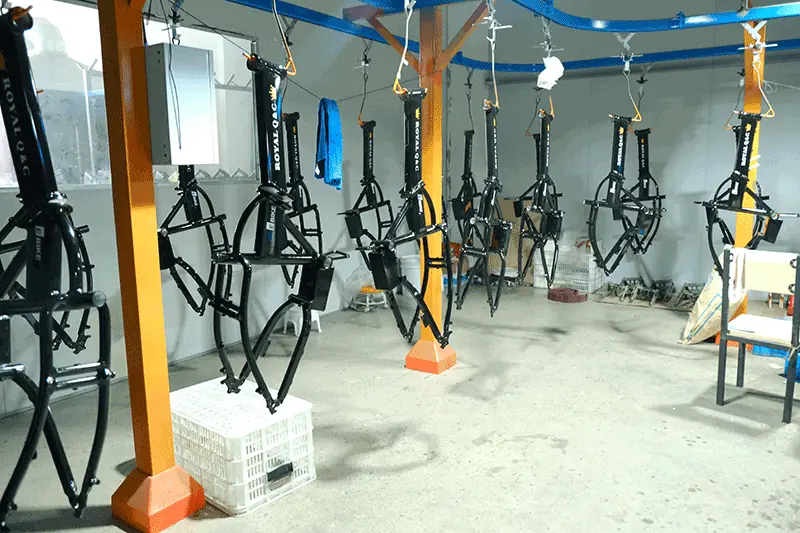
In cold regions, the combination of moisture, road salt, and ice accelerates the corrosion of metal parts. This is why the frame material and its protective coating are so important. It's not just about how the bike looks; it’s about its structural integrity and lifespan. A frame that fails due to corrosion is a major safety hazard. We’ve learned that standard paint jobs are not enough. The entire manufacturing process, from material selection to the final coating, has to be geared towards durability in these harsh conditions.
Building a Winter-Proof Frame and Components
We take a multi-layered approach to ensure our e-bikes can handle the corrosive Nordic winter environment year after year. It starts with the raw materials and ends with the final finish.
| Feature | Description |
|---|---|
| Cold-Resistant Frame Material | We use specific grades of aluminum alloy or special steel that are known to resist becoming brittle in extreme cold. This ensures the frame maintains its strength. |
| Advanced Anti-Corrosion Coating | The frame and other metal parts receive a multi-layer protective coating. This goes beyond simple paint; it's a finish designed to create a durable barrier against salt and water. |
| Sealed Components | We also focus on design details, like internal cable routing3 and using sealed bearings. This helps protect vulnerable components from direct exposure to the elements, further preventing corrosion and wear. |
Which Drive System Works Best in Freezing Temperatures?
Cold temperatures don't just affect the battery; they can also impact the motor and control system. An unreliable motor is frustrating and can be unsafe. You need a system that stays stable.
A mid-drive motor is generally more stable and reliable in freezing temperatures compared to a hub motor. Its position protects it from extreme temperature swings, and it provides smoother power output, which is crucial on slippery surfaces.
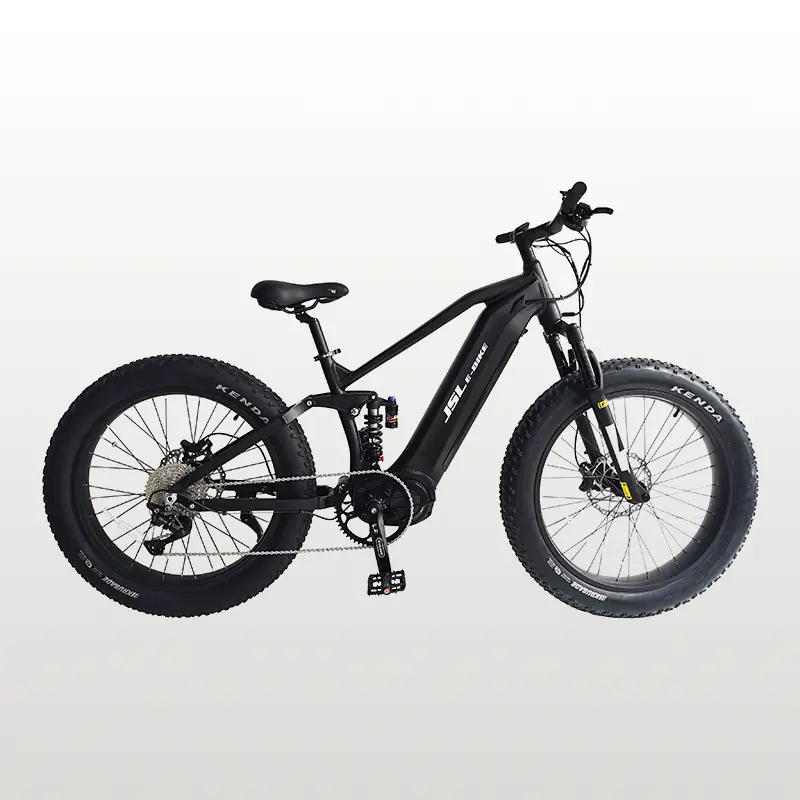
The performance of the entire drive system can change in the cold. We have found that mid-drive motors offer better stability in low-temperature environments. Unlike hub motors, which are located in the wheel and exposed to direct cold and slush, mid-drive motors are better protected within the bike's frame. This placement helps them maintain a more consistent operating temperature. Furthermore, their power delivery is often smoother, which is a significant advantage when you need precise control on a slippery road. The electronic control system also needs to be robust enough to provide accurate output when it's freezing outside.
Drive System and Thermal Management
Ensuring the entire electronic system works in harmony is key. It's not just about one component; it's about how the motor, controller, and battery work together in the cold.
| System | Consideration |
|---|---|
| Motor Choice | We recommend mid-drive motors because they offer better weight distribution and more stable performance in the cold. They allow for more natural and controlled power delivery. |
| Electronic Controller | The controller's software must be tuned for cold weather. It needs to manage power output precisely to prevent wheel spin on startup and ensure the motor works efficiently. |
| Thermal Management | Even in the cold, electronics generate heat. A good design ensures the battery and controller stay within their optimal temperature range, preventing both overcooling and overheating during hard use. This includes smart charging protocols that won't charge a frozen battery. |
Conclusion
For cold climates, an e-bike's design is not about stacking specs. It’s about building a stable and safe system that delivers a great riding experience in extreme environments.
Understand how a BMS optimizes battery performance and longevity, especially in cold weather. ↩
Discover how 4.0 inch wide tires enhance traction and stability on snowy and icy roads, ensuring a safer and more reliable e-bike ride in winter. ↩
Find out how this design protects cables from exposure, reducing wear and corrosion. ↩