Choosing a motor for uphill delivery? A 250W seems weak, but a 500W might be overkill. The secret isn't just power; it's about torque and system matching.
For uphill delivery, torque and drivetrain integration matter more than the rated power of 250W or 500W. A high-torque 250W mid-drive system can outperform a low-torque 500W hub motor on steep climbs with heavy loads. Torque provides the initial push and climbing force you need.
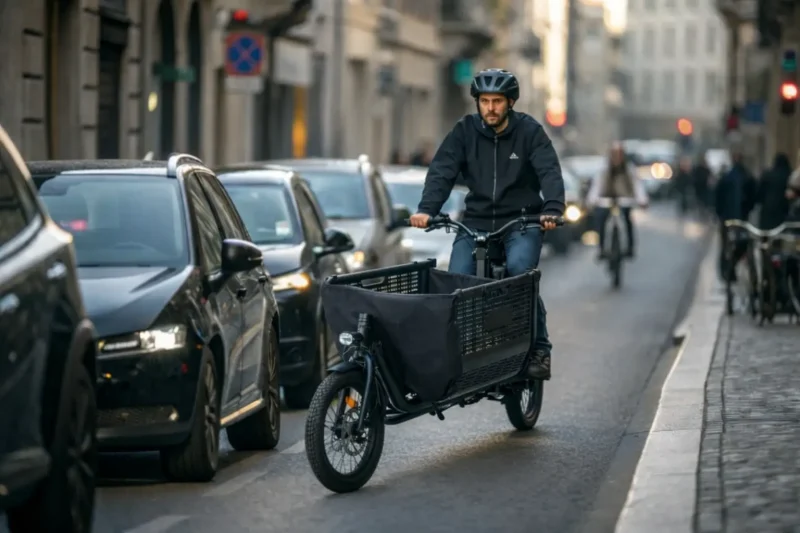
This seems counterintuitive, right? We're always told that bigger numbers mean better performance. But in my 20+ years of manufacturing e-bikes, I've seen countless clients make decisions based on a single spec, only to be disappointed later. The real-world performance of a delivery e-bike goes far beyond the number printed on the motor. Let's break down why focusing on torque will save you from costly mistakes and ensure your delivery fleet is up to the job.
Can a 250W Motor Really Handle Uphill Deliveries?
In a market limited to 250W, you might think delivery is impossible. A weak motor can't handle hills, right? But a high-torque 250W system is surprisingly capable.
Yes, a 250W motor can handle uphill deliveries effectively, provided it's a high-torque mid-drive system. Brands like Shimano offer 250W motors with 85Nm of torque, specifically designed for climbing. The key is pairing the motor with a proper drivetrain to maximize its climbing efficiency.
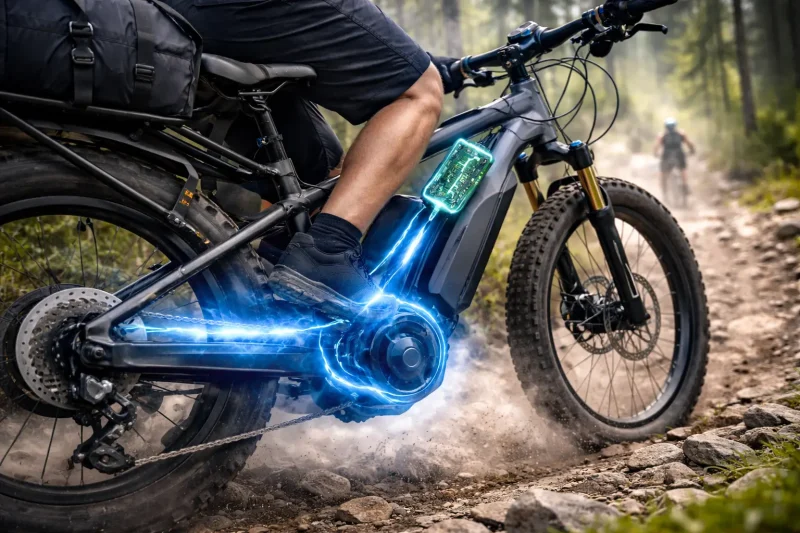
When we talk about 250W motors, especially for commercial use, context is everything. In many European cities, 250W is the legal limit, yet e-bike deliveries are common. How does that work? It's not about the rated power; it's about how that power is delivered. The secret lies in torque and the drivetrain. A high-torque mid-drive motor, like the Shimano EP8, might be rated at 250W but delivers a massive 85Nm of torque. This torque is what gets a heavy cargo bike moving from a standstill and keeps it going up a steep hill. A mid-drive motor leverages the bike's gears, just like a car's engine, allowing the rider to find the perfect gear for any incline. In contrast, a low-torque 250W hub motor would struggle immensely in the same situation.
Here's a simple breakdown:
| Motor System | Ideal for Uphill Delivery? | Why? |
|---|---|---|
| High-Torque 250W Mid-Drive | Yes | Leverages bike's gears for excellent climbing. High torque for starts. |
| Low-Torque 250W Hub Motor | No | Lacks the raw pulling power for loaded starts and steep inclines. |
So, if you're in a regulated market, don't dismiss the 250W option. Just make sure you're investing in a system built for torque, not just compliance.
What is the Real Benefit of a 500W Motor for Delivery?
Thinking a 500W motor is the simple solution for delivery? You might be paying for power that doesn't solve your core issues, like sluggish starts on hills.
The main benefit of a 500W motor for delivery isn't necessarily higher speed, but greater system headroom. It allows the motor to handle heavy loads and continuous climbs without constantly running at its maximum limit. This reduces strain, prevents overheating, and improves long-term durability and reliability.
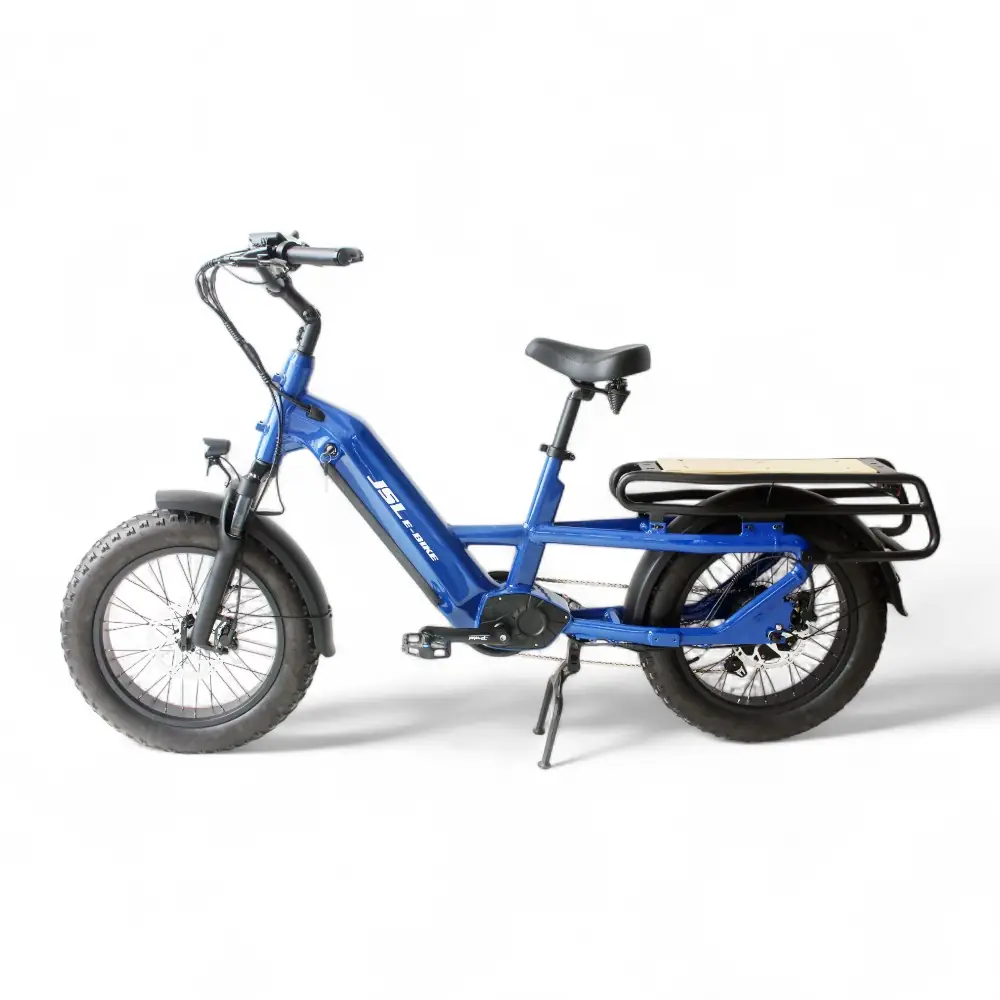
A 500W motor isn't just about being "more powerful" in the way a sports car is faster than a sedan. For a delivery e-bike, its value lies in providing a larger operational margin. Think of it this way: a 250W motor might be able to handle a steep hill, but it will be running at 100% of its capacity. Doing this all day, every day, leads to overheating, increased wear, and faster battery drain. A 500W motor, however, can tackle the same hill using only 60-70% of its capacity. This "headroom" is critical for commercial applications. It means the motor runs cooler, lasts longer, and provides more consistent performance throughout a long shift. However, this is only true if the 500W motor also has sufficient torque. A 500W motor with low torque will still feel sluggish on starts, even if it has a higher top speed on flat ground.
| Feature | 250W High-Torque | 500W High-Torque |
|---|---|---|
| Starting on a Hill | Good | Excellent |
| Durability (Heavy Use) | Adequate, but runs hot | Excellent, runs cooler |
| Battery Consumption | Can be high under strain | More efficient under load |
| Best Use Case | Regulated markets, moderate loads | Unregulated markets, heavy/frequent use |
The 500W rating provides a safety buffer, ensuring the system isn't constantly pushed to its breaking point. This is crucial for building a reliable and durable delivery fleet.
How Do You Choose the Right Motor System as a Manufacturer?
Your client wants an uphill delivery bike. Just saying "250W" or "500W" is a mistake. You need to ask the right questions to avoid building a failing product.
As a manufacturer, don't start with power. First, ask about the market's regulations (power limits?), the typical load (light basket or heavy cargo?), and the terrain (occasional short hills or daily long climbs?). The answers will point to the right motor system, focusing on torque and drivetrain.
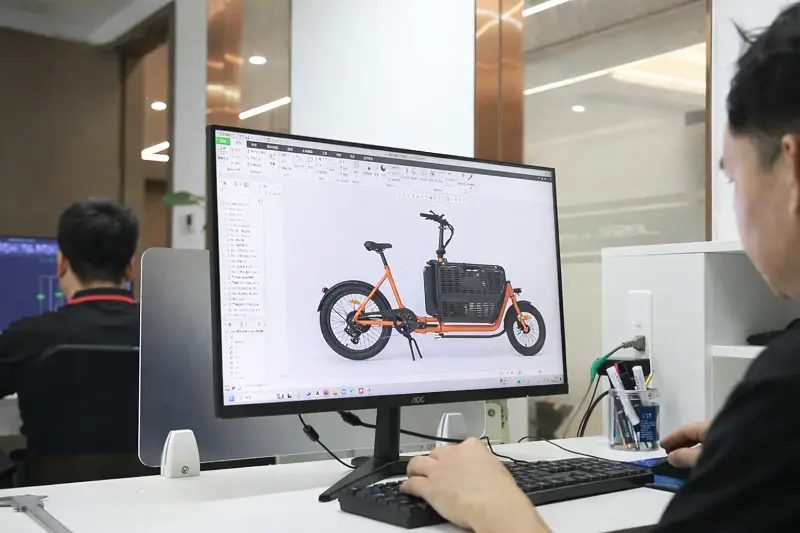
From a factory perspective, the "250W vs. 500W" question is a red flag. It shows the client is focusing on a single number instead of the whole system. My first step is never to answer directly. Instead, I ask three diagnostic questions:
- Where will you sell this? This tells me about legal power restrictions. A bike for Germany has different requirements than one for the US.
- What will it carry? A bike for food delivery with a small insulated bag is different from a cargo bike carrying 100kg of packages.
- What is the daily route like? A few short hills are manageable for many systems, but continuous, long climbs require a specialized setup with excellent cooling and a robust drivetrain.
Based on their answers, I provide a recommendation. For example, Bosch doesn't just sell one motor; their Cargo Line offers up to 85Nm of torque for heavy loads, while their Performance Line CX is for steep mountain trails. Bafang goes even further with its M620 motor, delivering a massive 160Nm of torque specifically for eCargo applications. These brands understand that the application defines the need for torque, not just rated power. Focusing on the client's actual use case is the only way to build a successful and reliable delivery e-bike.
Conclusion
For uphill delivery, stop debating 250W versus 500W. Prioritize high torque, a mid-drive motor, and a matched drivetrain. That’s what delivers real-world performance and reliability.