Struggling to understand Japan's unique e-bike scene? The market seems mature, yet it's growing fast. We'll show you the real drivers behind this surprising expansion.
The Japanese e-bike market is growing due to urban commuting needs, an aging population, and family transport demands. The focus is on practical, efficient mobility for daily life, not just high-performance models, creating consistent demand for reliable, user-friendly electric bikes.
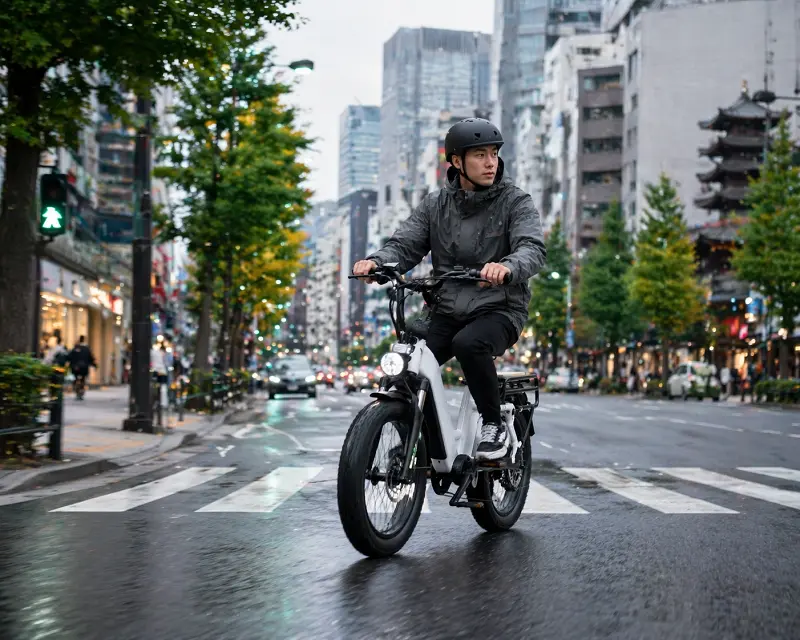
Many people think Japan's market is already full. But when you look closer, you see a different story. The numbers show a market that is not just mature, but also dynamic and full of potential. Let's explore why this is happening.
Is the Mature Japanese E-bike Market Still Growing?
Think Japan's e-bike market has peaked? The data shows a surprising trend. We'll break down the numbers and reveal the consistent growth that many overlook.
Yes, the Japanese e-bike market is expanding steadily. Projections show it growing from about $1.11 billion in 2025 to $1.78 billion by 20291. This reflects a compound annual growth rate (CAGR)2 of around 12.56%, proving there's still significant room for expansion.
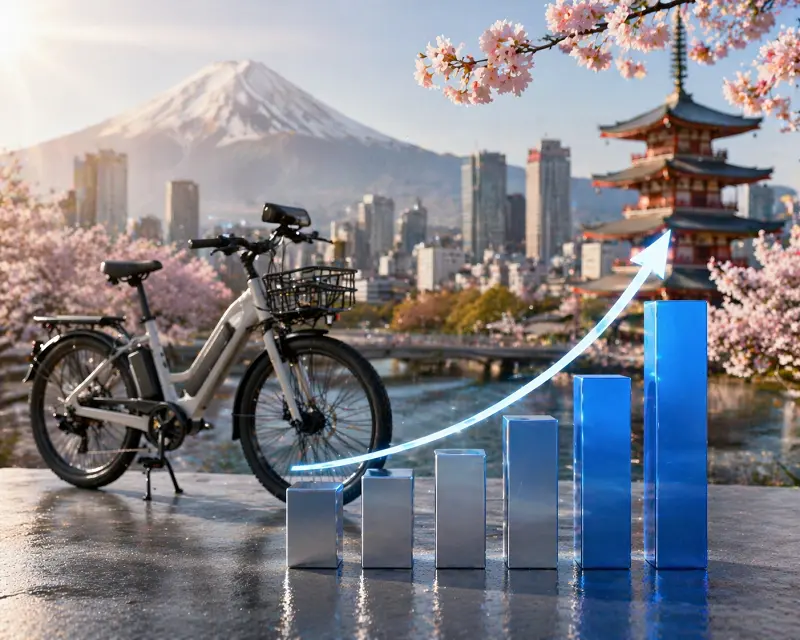
As a manufacturer, I've watched the Japanese market for years. It's easy to label it as "mature" and assume there's no room left. But that assumption is wrong. The growth we're seeing is not just about people replacing their old bikes. It's about new riders discovering how e-bikes solve real, everyday problems in Japanese cities. The market is expanding because the fundamental need for efficient, short-distance travel is increasing. People want to avoid crowded trains and expensive taxis for their 5-15 kilometer trips. An e-bike is often the perfect solution.
Key Growth Drivers
The market's expansion is built on a solid foundation of practical needs. It's less about trends and more about daily life.
| Driver | Description | Impact on Market |
|---|---|---|
| Urban Density | Crowded cities make cars impractical and public transport congested. | E-bikes offer a faster, more flexible way to navigate short distances. |
| Aging Population | Japan has a large senior population that wants to stay active and independent. | E-bikes reduce physical strain, making cycling accessible for longer. |
| Economic Sense | E-bikes have lower running costs than cars or frequent public transport. | This makes them an attractive long-term investment for daily commuters. |
This consistent demand from different user groups creates a stable and growing market. It shows that the e-bike has become an essential tool for modern urban living in Japan, not just a luxury item.
Who Is the Typical E-bike Buyer in Japan Today?
Are you targeting young, tech-savvy cyclists in Japan? You might be missing the real customers. We'll introduce you to the two groups driving most of the sales.
The primary e-bike buyers in Japan are not performance enthusiasts. Instead, they are senior citizens seeking an easier way to stay mobile and parents who use e-bikes to transport young children. These groups value practicality, comfort, and safety above all else.
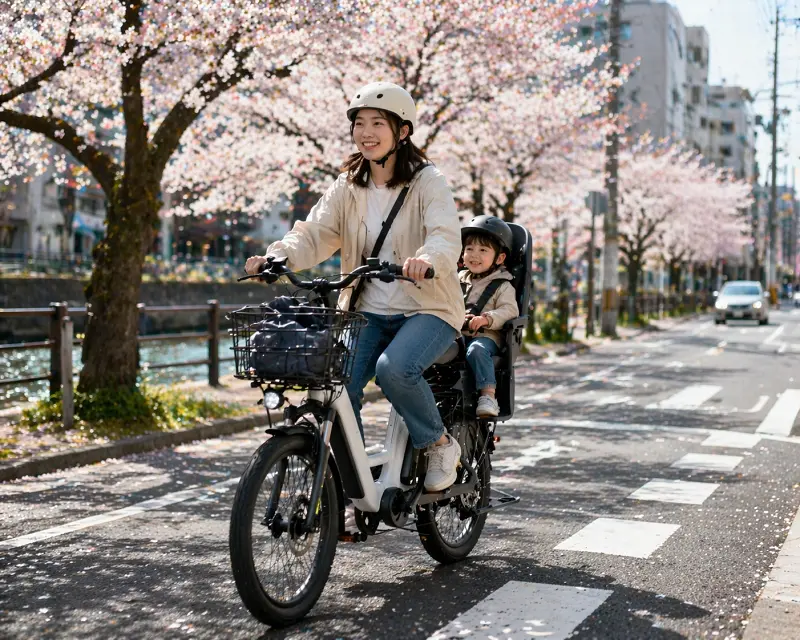
In our experience, understanding the user is the most important part of product design. In Japan, the market isn't driven by thrill-seekers. It's driven by everyday people looking for practical solutions. We've seen two main profiles emerge as the core of the market.
The Senior Rider
For older adults, an e-bike is a tool for independence. It allows them to run errands, visit friends, and stay active without the physical exertion of a regular bicycle. They need bikes that are easy to use and feel safe. This means features like low step-through frames for easy mounting, excellent stability, and simple controls are critical. The goal is to reduce the effort of cycling, especially on hills, so they can continue to enjoy the freedom of mobility.
The Family Commuter
The other key group is parents with young children. In Japan, the "mamachari" or "mom's bike" is a cultural icon. The electric version has made it even more practical. These parents need to drop kids at daycare, go grocery shopping, and run errands, all in one trip. Their e-bikes must be equipped with certified child seats, have a low center of gravity for stability, and offer enough cargo space. Safety and reliability are their top concerns. For them, an e-bike is a family vehicle.
These two groups show that the Japanese market prioritizes utility over performance.
Why Are Pedal-Assist E-bikes the Top Choice in Japan?
Confused about throttle vs. pedal-assist for the Japanese market? Choosing the wrong system can kill your product's chances. We’ll explain why one type completely dominates.
Pedal-assist systems (PAS)3, or Pedelecs, are the absolute mainstream in Japan. This is because they align with local regulations that treat them like regular bicycles. They also offer a natural riding feel that Japanese consumers prefer for daily urban and family commuting.
When we develop e-bikes for different markets, we always start with local laws and user habits. In Japan, this is especially important. Throttle-controlled e-bikes are classified as mopeds, which means they require a license, insurance, and a helmet. They also can't be used in bike lanes. This creates a huge barrier for the average consumer.
The Regulatory Advantage
Pedal-assist bikes, on the other hand, are legally considered bicycles as long as they meet certain power and speed criteria. This is a massive advantage. It means anyone can ride them without a special license, and they can be used on sidewalks and in bike lanes, just like a normal bicycle. This simple legal difference makes PAS the only practical choice for the mass market in Japan. It opens up e-biking to everyone, from teenagers to seniors.
A More "Bicycle-Like" Experience
Beyond the law, there is a strong cultural preference. Japanese riders want a bike that helps them, not one that feels like a weak motorcycle. The pedal-assist system provides a smooth, natural boost that complements the rider's own effort. It makes hills feel flat and makes starting from a stop effortless, but it still feels like you are cycling. This sense of control and natural feel is highly valued, especially in busy urban environments. For us, this means tuning our motors for smooth power delivery, not for aggressive acceleration.
How Is Technology Shaping the Future of Japanese E-bikes?
Think a standard battery and motor are enough for Japan? The market has moved on. We’ll show you the specific tech upgrades that Japanese consumers now expect.
Technology in the Japanese e-bike market is focused on user experience. Lithium-ion batteries are standard, but the key upgrades are longer range, faster charging, and lighter weights. Additionally, smart features like IoT connectivity4 and better user interfaces are becoming crucial differentiators.
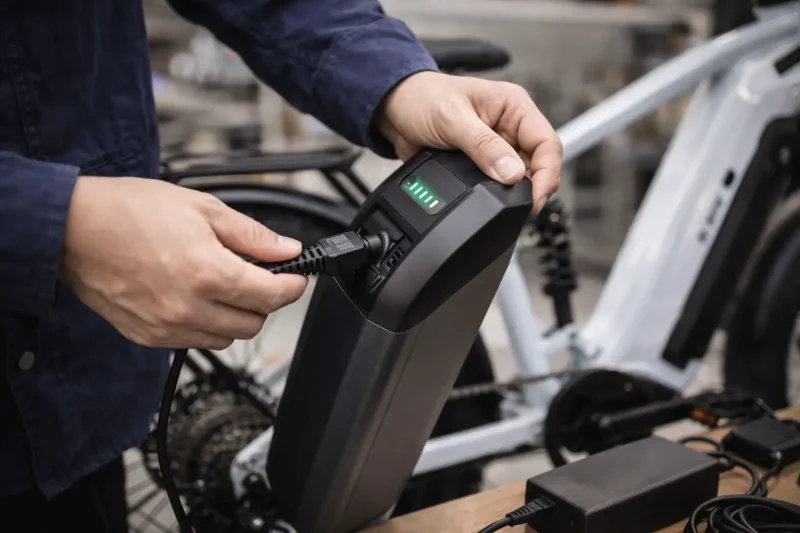
The Japanese market has moved past the basics. Everyone expects a reliable motor and a lithium-ion battery. The competition now is about making the entire experience better. As a manufacturer, our focus has shifted from just providing power to refining how that power is delivered and managed.
Optimizing the Power Source
The battery is at the center of this evolution. It's not enough for it to just hold a charge. Consumers want more.
- Longer Range: People want to complete their daily trips without worrying about running out of power.
- Faster Charging: A quick charge during a lunch break can make a huge difference.
- Lighter Weight: Many users live in apartments and need to carry their batteries inside to charge. A lighter battery makes a big difference in daily convenience.
- Advanced BMS: A high-quality Battery Management System (BMS) is essential for safety and battery longevity, which builds trust with customers.
From Tool to Smart Device
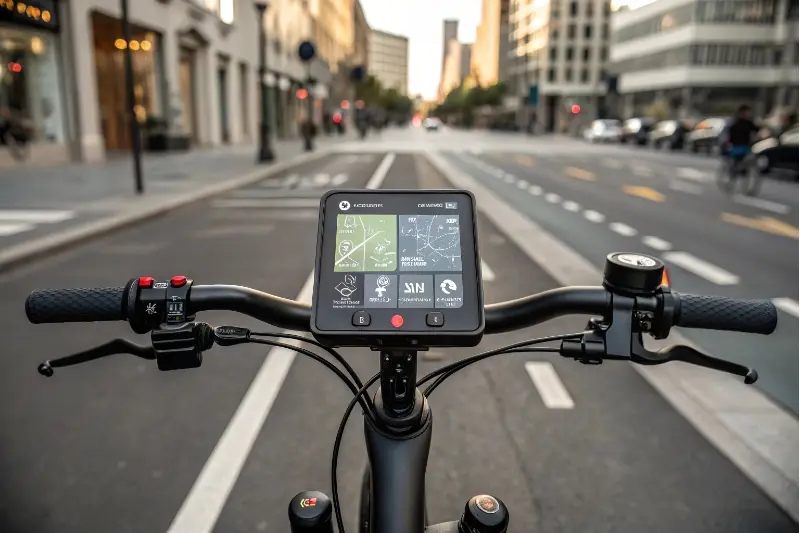
The e-bike is becoming a smart, connected product. The goal of this technology is not to add complicated features, but to make the user's life easier. For example, IoT connectivity can help with theft prevention through GPS tracking or send maintenance reminders to the user's phone. Clear, simple displays that show range and battery health at a glance are also becoming standard. The future is about creating an e-bike that is not just a tool for transport, but a smart partner for urban mobility.
What Are the Biggest E-bike Opportunities in Japan Now?
Trying to enter the crowded Japanese market? Competing with established giants seems impossible. We'll highlight a growing segment and the key strategy for success.
While city and family bikes are the core market, the fastest-growing opportunity is in cargo e-bikes for last-mile delivery. For any foreign brand, success depends on deep localization—designing products for Japanese users, building a reliable service network, and earning long-term trust.
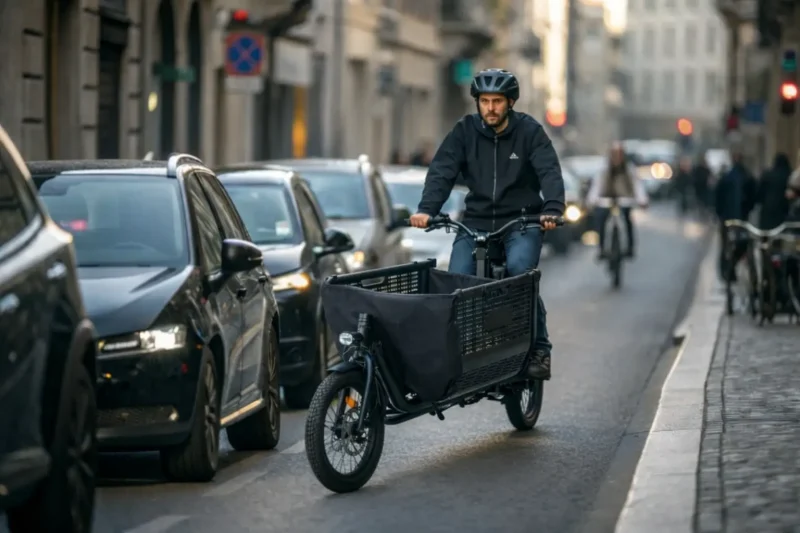
The Japanese e-bike market is dominated by strong local brands. They have spent decades building trust and perfecting products for their customers. Competing with them head-on is difficult. However, there are still major opportunities if you approach the market in the right way.
The Untapped Cargo Market
The biggest growth area we see right now is in commercial applications. The rise of e-commerce and food delivery has created a huge demand for efficient, low-cost last-mile delivery vehicles. Cargo e-bikes are the perfect solution for navigating Japan's narrow city streets. This B2B market has different needs than the consumer market. These customers need extreme reliability, large carrying capacity, and low maintenance costs. It's a segment where specialized, high-quality products can create a new niche.
The Localization Imperative
For any company looking to enter Japan, simply shipping your standard international model will not work. Success requires a deep commitment to localization.
- Product Design: This means designing compact frames for small parking spaces, using high-quality components that resist rust in a humid climate, and understanding the aesthetic preferences of Japanese consumers.
- Service and Support: Japanese customers have very high expectations for after-sales service. You must have a reliable network for repairs, spare parts, and customer support. Without it, you cannot build the long-term trust needed to succeed.
Conclusion
Japan's e-bike market is a story of practical needs. Growth comes from serving urban commuters, families, and seniors with reliable, easy-to-use, and increasingly intelligent pedal-assist bikes.
Explore this link to understand the financial growth and potential of Japan's e-bike market, highlighting its expansion to $1.78 billion by 2029. ↩
Understand the impressive growth rate of Japan's e-bike market and its future potential. ↩
Learn why pedal-assist systems dominate the Japanese e-bike market due to legal and cultural preferences. ↩
Discover how IoT features are transforming e-bikes into smart devices in Japan. ↩