Confused why e-bikes with the same specs have different prices? You're not alone. The secret isn't in the parts list, but in how they work together as a system.
An electric bike works as an integrated system1, not just a bicycle with a motor. The motor, battery, controller, and frame must work together. Real performance depends on how these components are matched and tuned, not just on individual specifications like motor wattage or battery size.
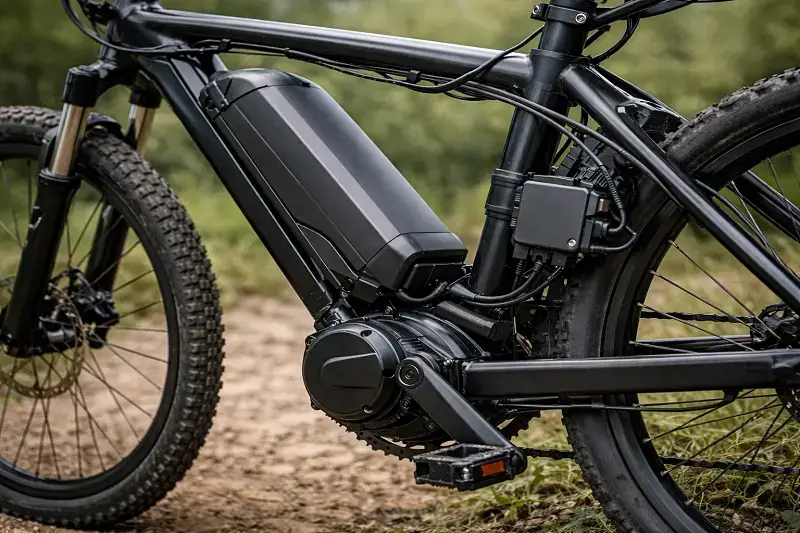
I've been building e-bikes for over 20 years, and I see the same thing happen all the time. A client comes to us with a spec sheet, but they're frustrated with the samples they've received from other factories. The bikes feel wrong. That's because the spec sheet doesn't tell the whole story. The magic, and the quality, is in how all the pieces are put together. Let’s break down how an e-bike really works from a manufacturer's point of view, and you'll see what I mean.
What is the real power source of an e-bike?
You might think the motor is there to replace your effort. But a good e-bike feels like it’s amplifying your own power, not just taking over. How does that happen?
The true power source is a partnership between your pedaling and the motor's assistance. The motor doesn't just run on its own; it responds to you. For businesses, it's better to think of it as an advanced "assistance system" that enhances the rider, not a scooter.

When we design an e-bike, our first thought isn't "how do we replace the rider's work?" It's "how do we make the rider feel stronger?" The motor provides the assistance, but it's the human who decides when that assistance kicks in just by pedaling. This is a huge difference from a moped, where you just twist a throttle. This "power-assist" concept is central to the e-bike experience. For our B2B partners, this is a critical point. You are not selling a simple electric vehicle; you are selling a bicycle with a smart system that makes cycling more accessible and fun. This changes everything, from your marketing message to the type of customer you attract. It's about amplifying the human experience2, not replacing it.
| System Goal | Replacement (Scooter-like) | Amplification (True E-Bike) |
|---|---|---|
| Trigger | Throttle or simple on/off button | Rider's pedaling action |
| Rider Feeling | Being carried or pulled along | Having superhuman strength |
| Core Purpose | Eliminate physical effort | Enhance the cycling experience |
| Our Focus | Simple motor activation | A responsive, integrated system |
Is a bigger battery always better?
Everyone gets focused on battery capacity, measured in amp-hours (Ah). But have you ever seen a bike with a smaller battery feel more powerful on a hill than one with a larger one?
No, a bigger battery is not always better. The battery's performance under load, like when climbing a steep hill or carrying cargo, is more important than its listed capacity. The battery must deliver high current instantly and reliably without failing.
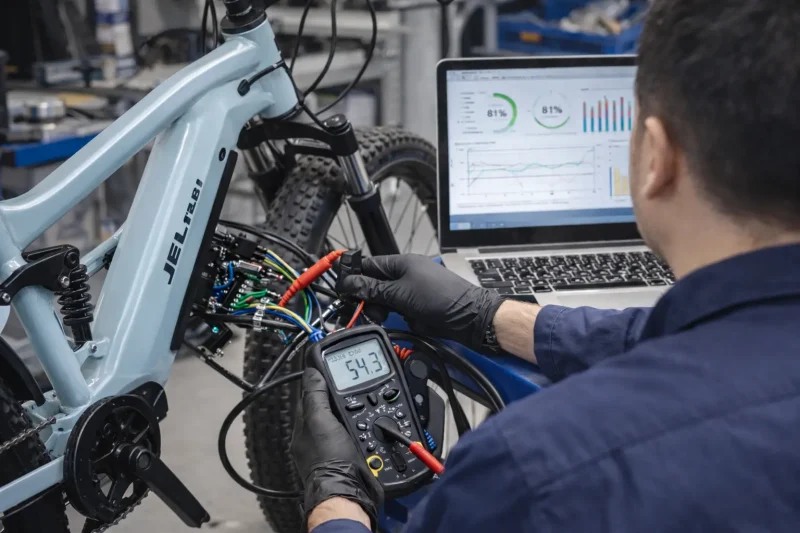
A battery has two main jobs. The first is to store energy, which determines the bike's range. This is the number everyone sees on the spec sheet. The second, more important job is to deliver that energy effectively. When a rider hits a steep incline or is hauling a heavy load on a cargo bike, the motor demands a huge, sudden surge of power. The battery's ability to provide this instantaneous current is what defines real-world performance. A low-quality battery or a poorly designed Battery Management System (BMS)3 will choke under this pressure. It might cut power, overheat, or simply fail to deliver, making the bike feel weak and unreliable precisely when the rider needs it most. This is a failure point that spec sheets never reveal. In our factory, we test battery packs under these high-stress conditions to ensure they can handle the peak demands of the motor we pair them with.
What is the most underrated part of an e-bike system?
You've chosen a powerful motor and a big battery. The bike should be great, right? But then the ride feels jerky, unnatural, or the power delivery is all wrong. What's missing?
The control system is the most underrated, yet critical, part of an e-bike. The controller and sensors are the "brain." They decide when to give power, how much to give, and how smoothly to deliver it. This system defines the entire ride feel.
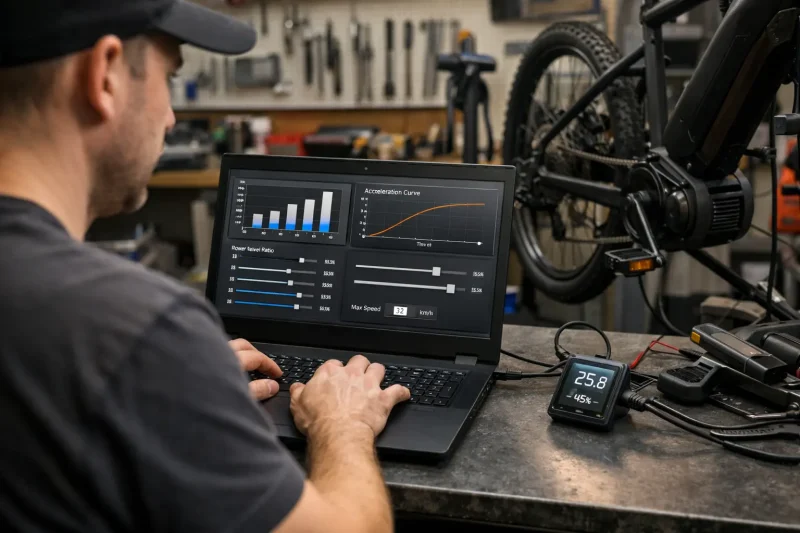
The controller is the brain, but the sensors are its eyes and ears. They tell the controller what the rider is doing. There are two main types of sensors we use, and the choice between them completely changes the bike's personality.
- Cadence Sensor4: This sensor just checks if you are pedaling or not. It's a simple "yes/no" signal. If the pedals are turning, the motor gives a fixed level of assistance. It's cheap and effective, but it can feel abrupt, like an on/off switch.
- Torque Sensor5: This sensor is much more advanced. It measures how hard you are pedaling. If you push gently, you get a little bit of help. If you push hard to climb a hill, you get a lot of help. This feels incredibly smooth and natural, like the bike is an extension of your own legs.
| Sensor Type | How It Works | Rider Feel | Best For |
|---|---|---|---|
| Cadence | Detects pedal rotation (Yes/No) | Abrupt power; "On/Off" feeling | Cost-sensitive markets, basic city bikes |
| Torque | Measures pedaling force (How Much) | Smooth, intuitive, and natural | Premium markets, mountain bikes, EU standards |
As an OEM/ODM partner, one of our most important jobs is helping you choose and tune the right system for your target market and brand identity.
How does the drivetrain change the e-bike's power?
Imagine two e-bikes, both with the exact same 250W motor. One flies up hills, while the other one struggles and slows to a crawl. The motor is identical, so what's going on?
The drivetrain—the chain, gears, and cassette—determines how effectively the motor's power gets to the ground. A mid-drive motor uses the bike's gears to multiply its power, while a hub motor delivers a fixed output directly to the wheel.
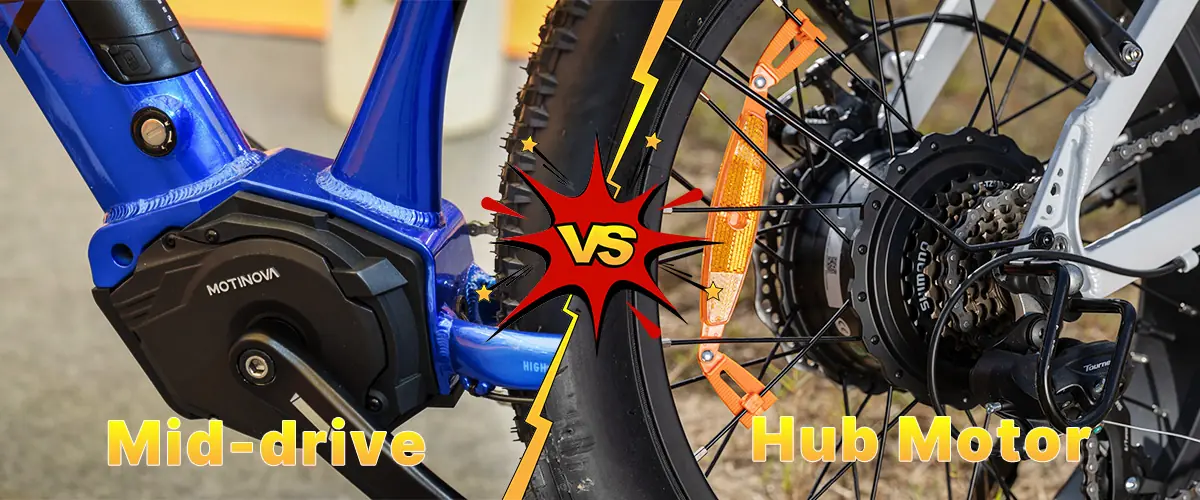
The motor generates power, but the drivetrain determines how that power is used. This is where the choice between a mid-drive motor and a hub motor becomes so important.
- Mid-Drive Motor: This motor is located in the middle of the bike, where the pedals are. It sends power through the bike's chain and uses the existing gears. This is a huge advantage. When you shift to a low gear to climb a hill, you are multiplying both your own power and the motor's power. It’s like having a gearbox for the motor, giving it the torque it needs for tough situations.
- Hub Motor: This motor is located inside the hub of the front or rear wheel. It spins the wheel directly. This design is simple, often more affordable, and very reliable for flat ground. However, it cannot use the bike's gears. Its power output is fixed, so it can struggle on very steep or long hills.
| Motor Type | Power Path | Gearing Advantage | Ideal Use Case |
|---|---|---|---|
| Mid-Drive | Through the chain & gears | Yes, multiplies torque for hills | Mountain biking, heavy cargo, performance |
| Hub Motor | Directly drives the wheel | No, fixed power output | City commuting, flat terrain, cost-effective |
Our job is to match the motor type and drivetrain to the product's purpose. For a high-performance eMTB, a mid-drive is essential. For a simple city commuter, a hub motor is often the perfect, reliable choice.
Why is the frame design critical to how an e-bike works?
Most people talk about motors and batteries. But a wobbly, poorly balanced frame can make even the best electronic components feel terrible and, more importantly, unsafe for the rider.
The frame is the foundation that holds the entire e-bike system together. It dictates battery placement, weight distribution, and structural stability6. A bad frame design creates a poor customer experience, introduces safety risks, and increases your after-sales costs.
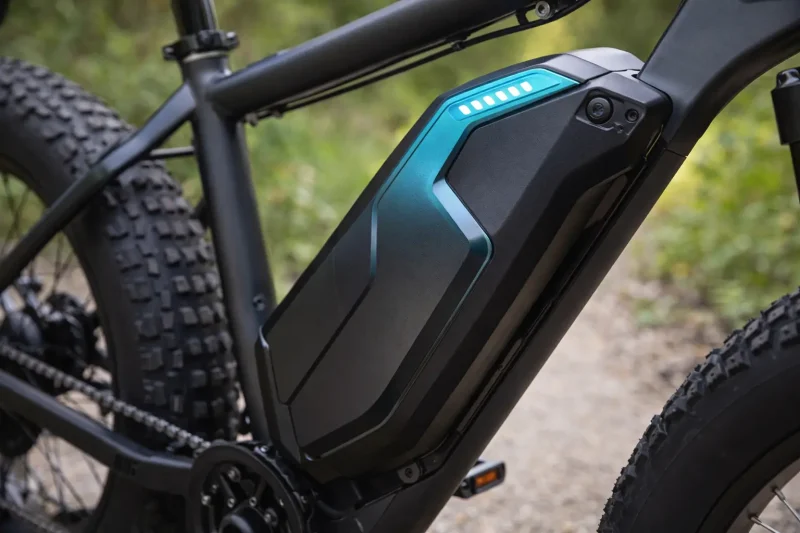
This is the part that many factories overlook, but for us, it's a top priority. The frame is not just a passive skeleton; it's an active part of the system. First, it determines the center of gravity. Placing the battery low and central on the down tube creates a much more stable and balanced ride than placing it high up on a rear rack. Second, the frame must be strong enough to handle the extra weight and forces from the motor and battery. This is a matter of safety. A frame that flexes under power is not only unpleasant to ride but also dangerous. This is especially true for specific designs like cargo e-bikes, which need to be incredibly rigid to handle heavy loads, or step-through models, which require clever engineering to maintain stiffness without a top tube. For our B2B clients, this translates directly to business results: good frame design equals rider safety, better reviews, and fewer warranty claims.
Conclusion
An e-bike isn't just a bike with a motor. It's a product where all components work together. Real performance and quality come from how expertly that entire system is matched.
Understanding how e-bike components work together as a system can enhance your knowledge of their performance and value. ↩
Understanding how e-bikes amplify the human experience can enhance appreciation for their innovative design. ↩
Understanding BMS can help you grasp how e-bikes manage power delivery and maintain reliability. ↩
Learning about Cadence Sensors can help you understand their role in providing motor assistance based on pedaling. ↩
Understanding Torque Sensors can explain how they provide smooth and natural motor assistance. ↩
Learning about structural stability can highlight its role in ensuring rider safety and comfort. ↩